.svg)

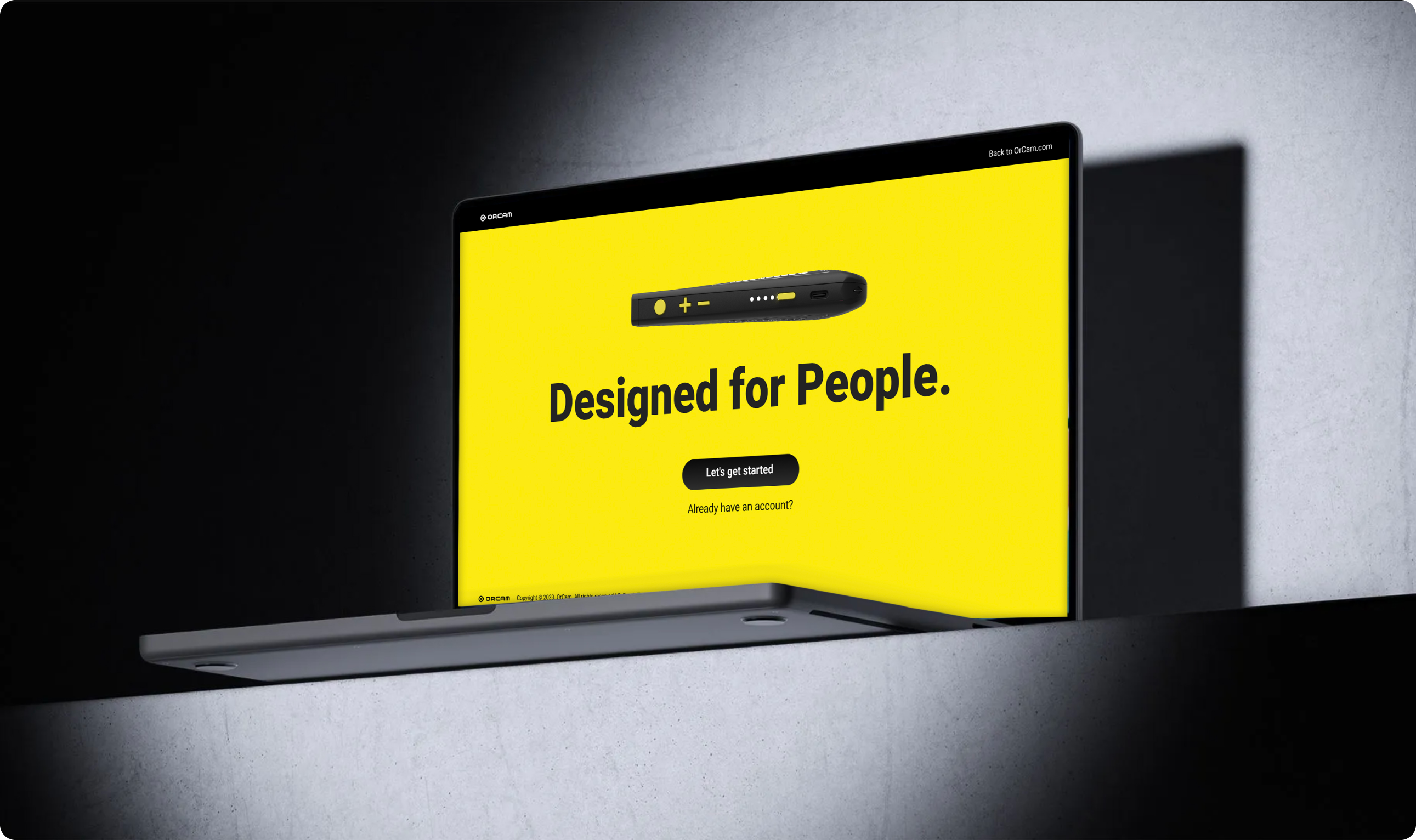
Explore OrCam Read: a dynamic solution for vision loss or reading fatigue. This advanced magnifier, customizable for pictures, handwriting, and text, is accessible through our web platform. Connect via WiFi for an enhanced reading experience, zooming into text, images, and more, with personalized options for text color and background.


In developing 'OrCam Read' for the visually impaired, we encountered a challenge—our non-tech-savvy audience preferred the familiarity of existing solutions like 'Magnifier.' To bridge this gap, we contemplated introducing a simplified version of 'OrCam Read' with the same capabilities on a platform emulating the traditional 'Magnifier.' This approach aimed to offer users a familiar interface, minimizing the learning curve, creating a necessity for product use, and gradually shifting away from traditional solutions.
In developing 'OrCam Read' for the visually impaired, we encountered a challenge—our non-tech-savvy audience preferred the familiarity of existing solutions like 'Magnifier.' To bridge this gap, we contemplated introducing a simplified version of 'OrCam Read' with the same capabilities on a platform emulating the traditional 'Magnifier.' This approach aimed to offer users a familiar interface, minimizing the learning curve, creating a necessity for product use, and gradually shifting away from traditional solutions.
In developing 'OrCam Read' for the visually impaired, we encountered a challenge—our non-tech-savvy audience preferred the familiarity of existing solutions like 'Magnifier.' To bridge this gap, we contemplated introducing a simplified version of 'OrCam Read' with the same capabilities on a platform emulating the traditional 'Magnifier.' This approach aimed to offer users a familiar interface, minimizing the learning curve, creating a necessity for product use, and gradually shifting away from traditional solutions.
In developing 'OrCam Read' for the visually impaired, we encountered a challenge—our non-tech-savvy audience preferred the familiarity of existing solutions like 'Magnifier.' To bridge this gap, we contemplated introducing a simplified version of 'OrCam Read' with the same capabilities on a platform emulating the traditional 'Magnifier.' This approach aimed to offer users a familiar interface, minimizing the learning curve, creating a necessity for product use, and gradually shifting away from traditional solutions.
In developing 'OrCam Read' for the visually impaired, we encountered a challenge—our non-tech-savvy audience preferred the familiarity of existing solutions like 'Magnifier.' To bridge this gap, we contemplated introducing a simplified version of 'OrCam Read' with the same capabilities on a platform emulating the traditional 'Magnifier.' This approach aimed to offer users a familiar interface, minimizing the learning curve, creating a necessity for product use, and gradually shifting away from traditional solutions.
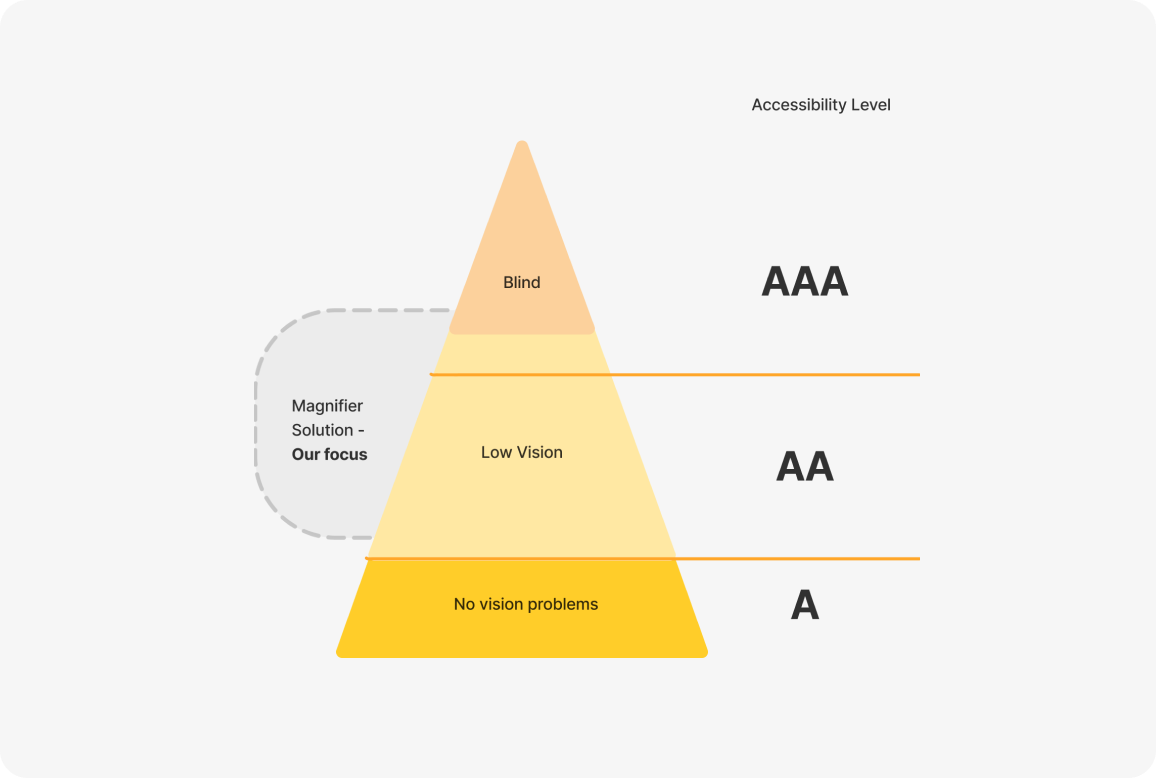
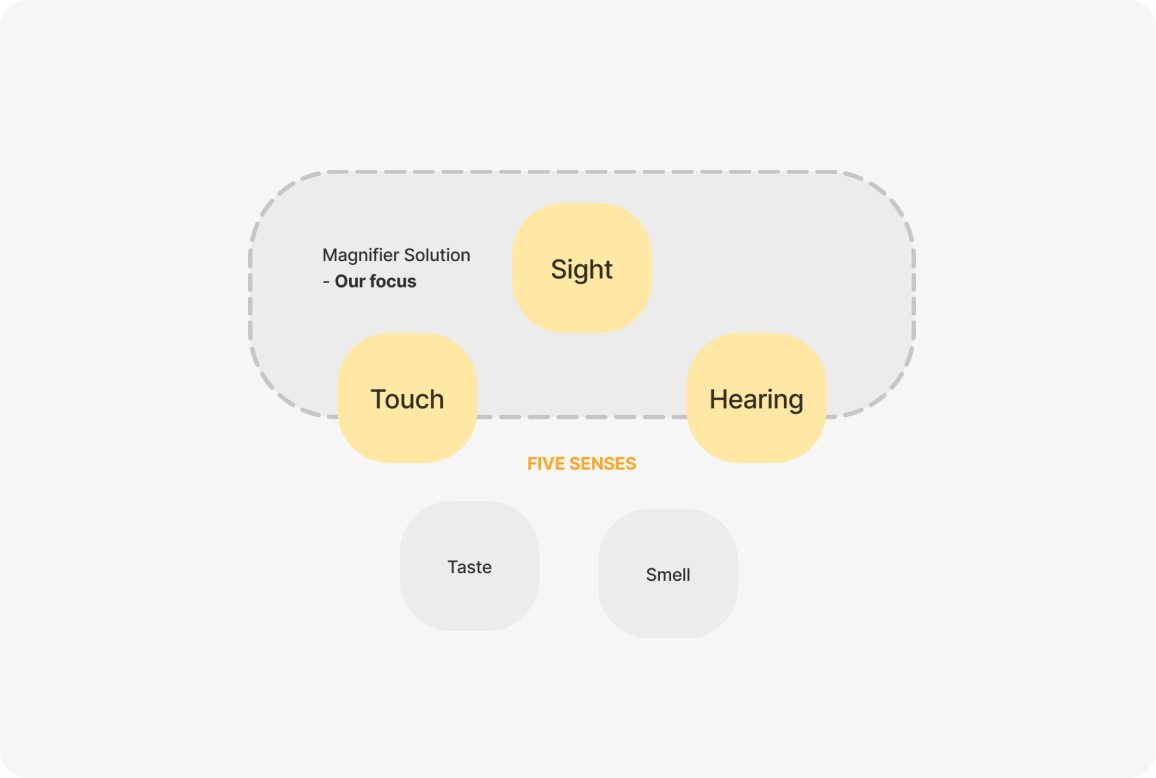
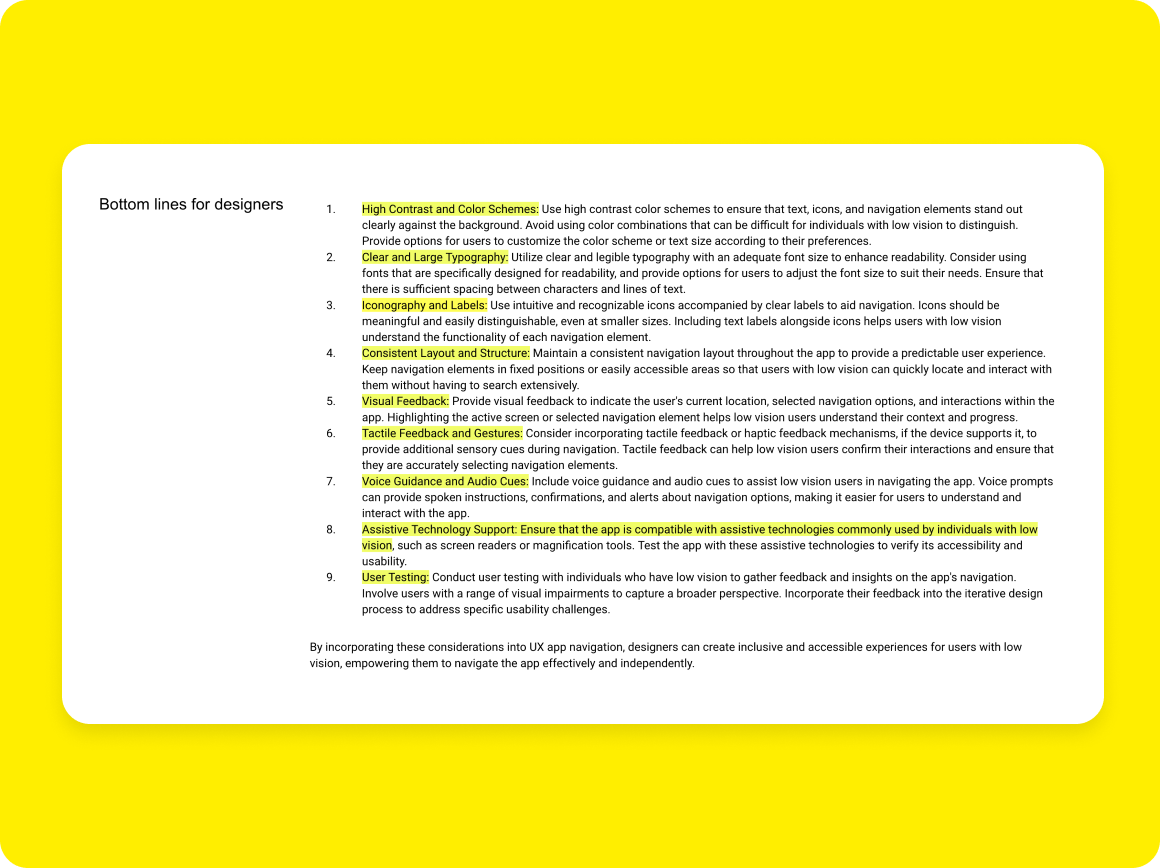
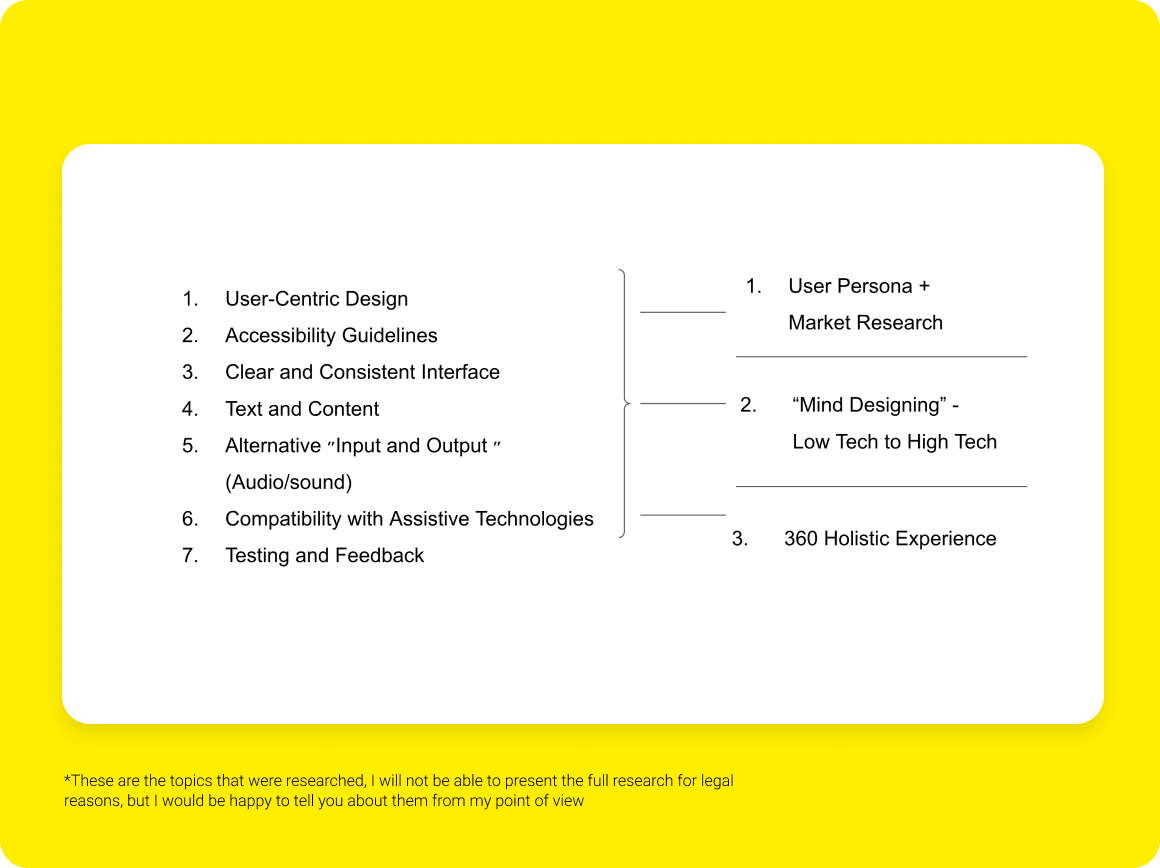

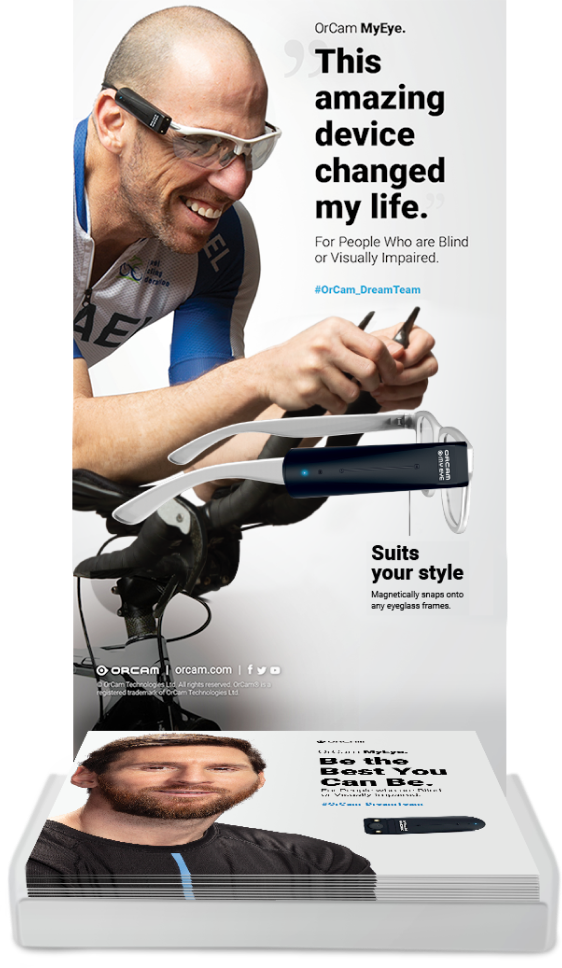
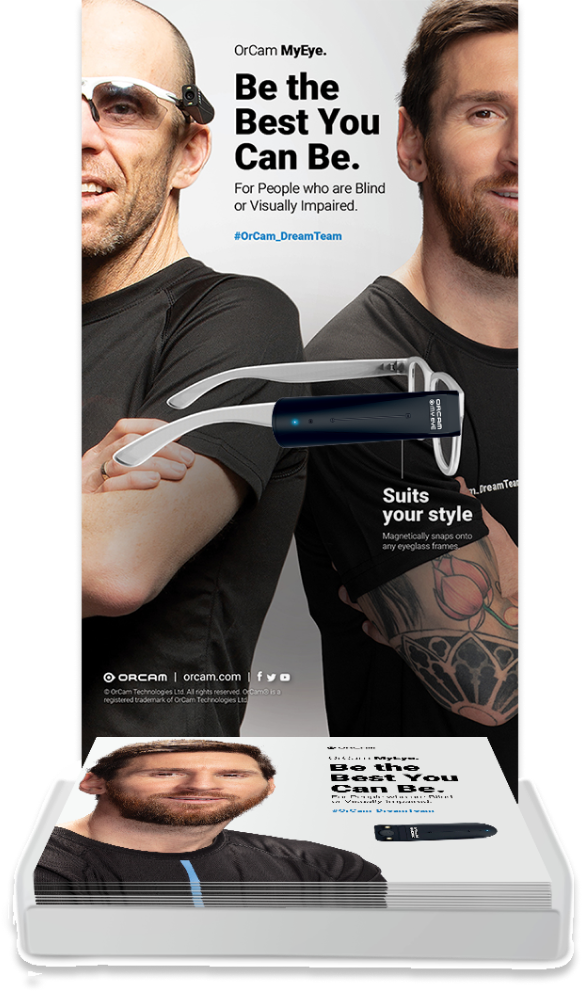
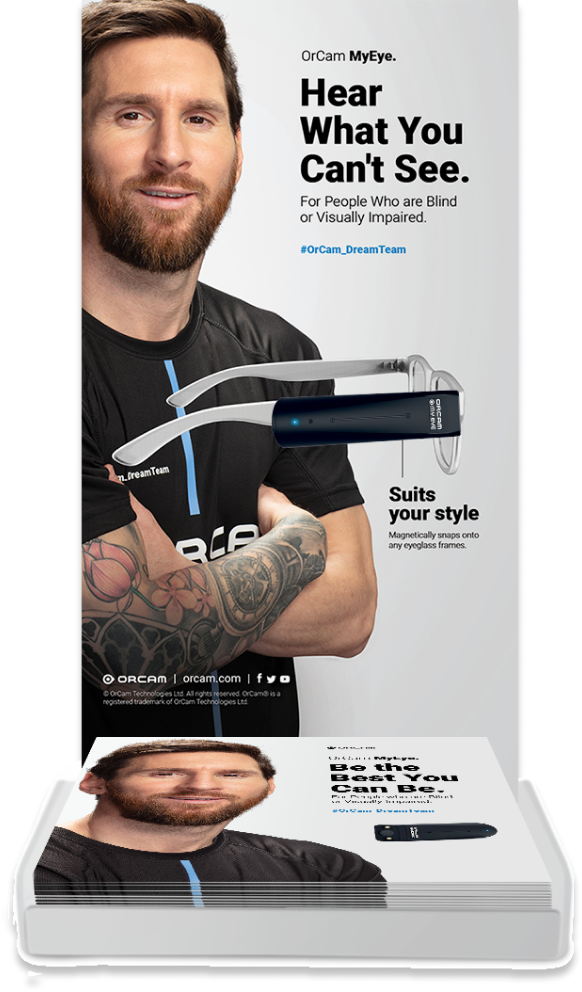

We delved into market research, exploring existing competitors such as Optelec magnifiers, iPhone/iPad magnifier tools, and Adobe's accessibility tools. Our focus extended to understanding the guidelines set by visual and movement architects for designing solutions for the visually impaired. This research phase brought a shift in our perspective, dispelling preconceived notions, and paving the way for the subsequent design phase.
We delved into market research, exploring existing competitors such as Optelec magnifiers, iPhone/iPad magnifier tools, and Adobe's accessibility tools. Our focus extended to understanding the guidelines set by visual and movement architects for designing solutions for the visually impaired. This research phase brought a shift in our perspective, dispelling preconceived notions, and paving the way for the subsequent design phase.
We delved into market research, exploring existing competitors such as Optelec magnifiers, iPhone/iPad magnifier tools, and Adobe's accessibility tools. Our focus extended to understanding the guidelines set by visual and movement architects for designing solutions for the visually impaired. This research phase brought a shift in our perspective, dispelling preconceived notions, and paving the way for the subsequent design phase.
We delved into market research, exploring existing competitors such as Optelec magnifiers, iPhone/iPad magnifier tools, and Adobe's accessibility tools. Our focus extended to understanding the guidelines set by visual and movement architects for designing solutions for the visually impaired. This research phase brought a shift in our perspective, dispelling preconceived notions, and paving the way for the subsequent design phase.
We delved into market research, exploring existing competitors such as Optelec magnifiers, iPhone/iPad magnifier tools, and Adobe's accessibility tools. Our focus extended to understanding the guidelines set by visual and movement architects for designing solutions for the visually impaired. This research phase brought a shift in our perspective, dispelling preconceived notions, and paving the way for the subsequent design phase.
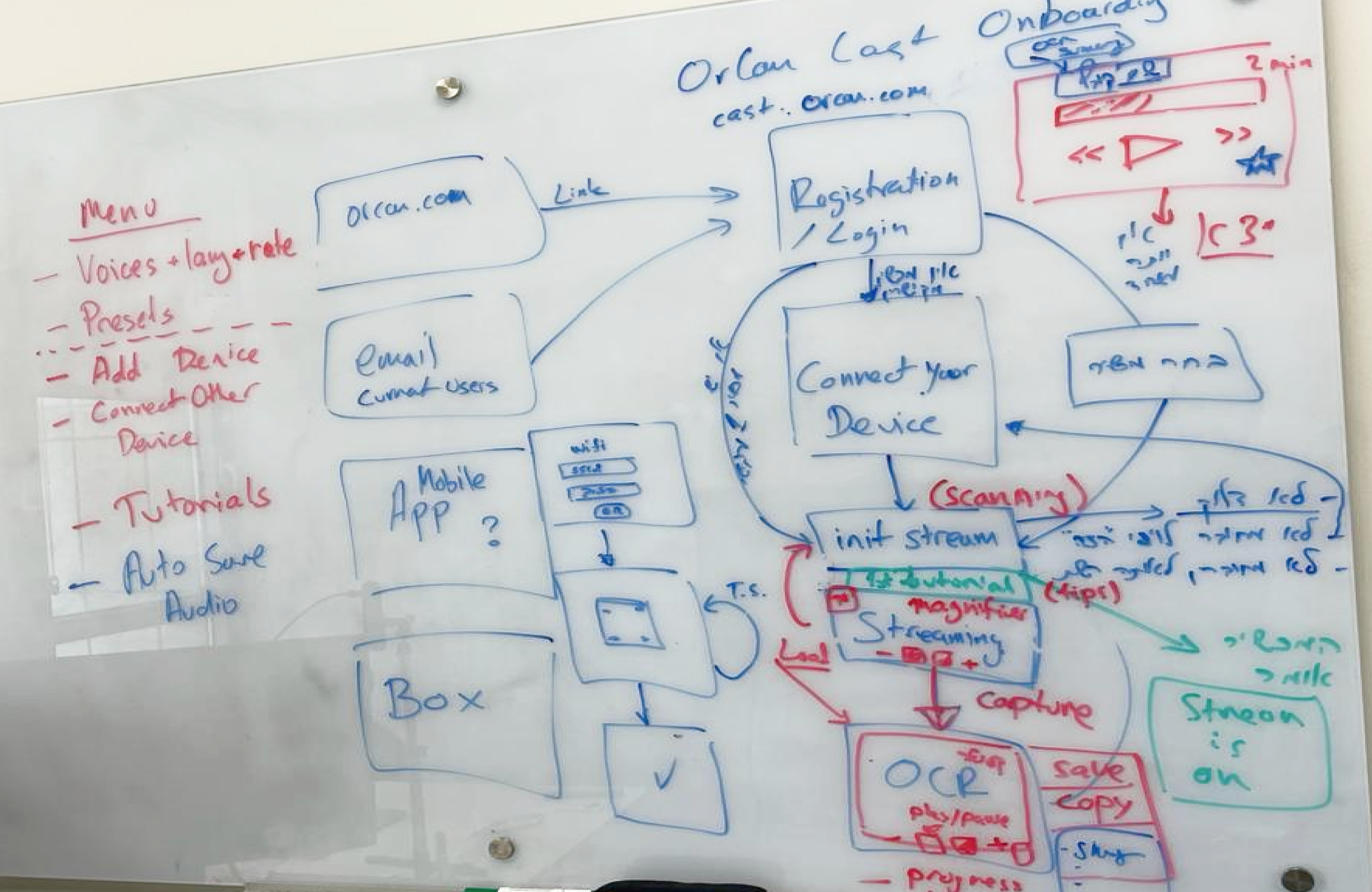
This unique solution involves the integration of multiple products, requiring a seamless and simple user experience. Our initial focus addressed the connections between the physical product, stand, and web platform. Designing the interface posed a challenge: ensuring a clear and easily adjustable hierarchy for user modes while preserving Orcam's distinctive audio cues.
This unique solution involves the integration of multiple products, requiring a seamless and simple user experience. Our initial focus addressed the connections between the physical product, stand, and web platform. Designing the interface posed a challenge: ensuring a clear and easily adjustable hierarchy for user modes while preserving Orcam's distinctive audio cues.
This unique solution involves the integration of multiple products, requiring a seamless and simple user experience. Our initial focus addressed the connections between the physical product, stand, and web platform. Designing the interface posed a challenge: ensuring a clear and easily adjustable hierarchy for user modes while preserving Orcam's distinctive audio cues.
This unique solution involves the integration of multiple products, requiring a seamless and simple user experience. Our initial focus addressed the connections between the physical product, stand, and web platform. Designing the interface posed a challenge: ensuring a clear and easily adjustable hierarchy for user modes while preserving Orcam's distinctive audio cues.
This unique solution involves the integration of multiple products, requiring a seamless and simple user experience. Our initial focus addressed the connections between the physical product, stand, and web platform. Designing the interface posed a challenge: ensuring a clear and easily adjustable hierarchy for user modes while preserving Orcam's distinctive audio cues.
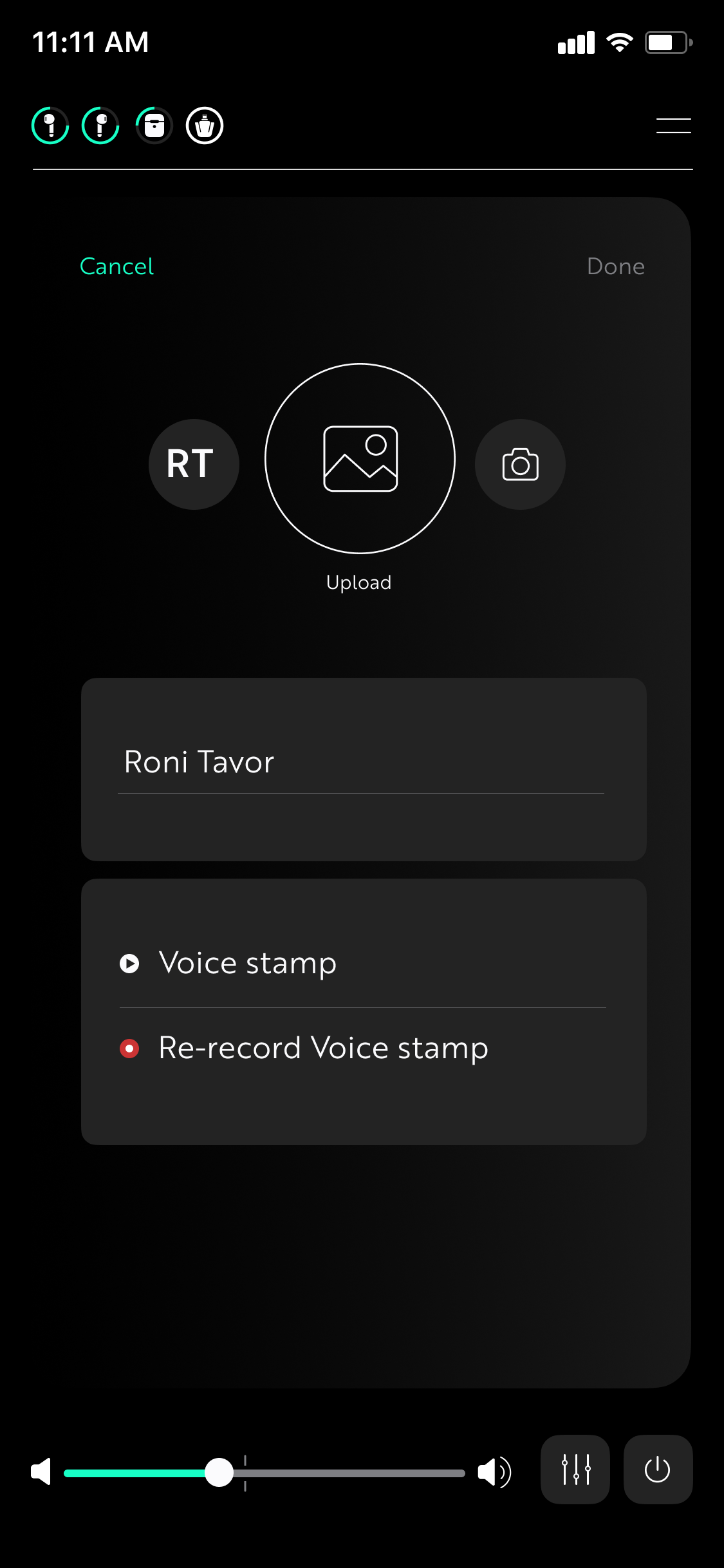


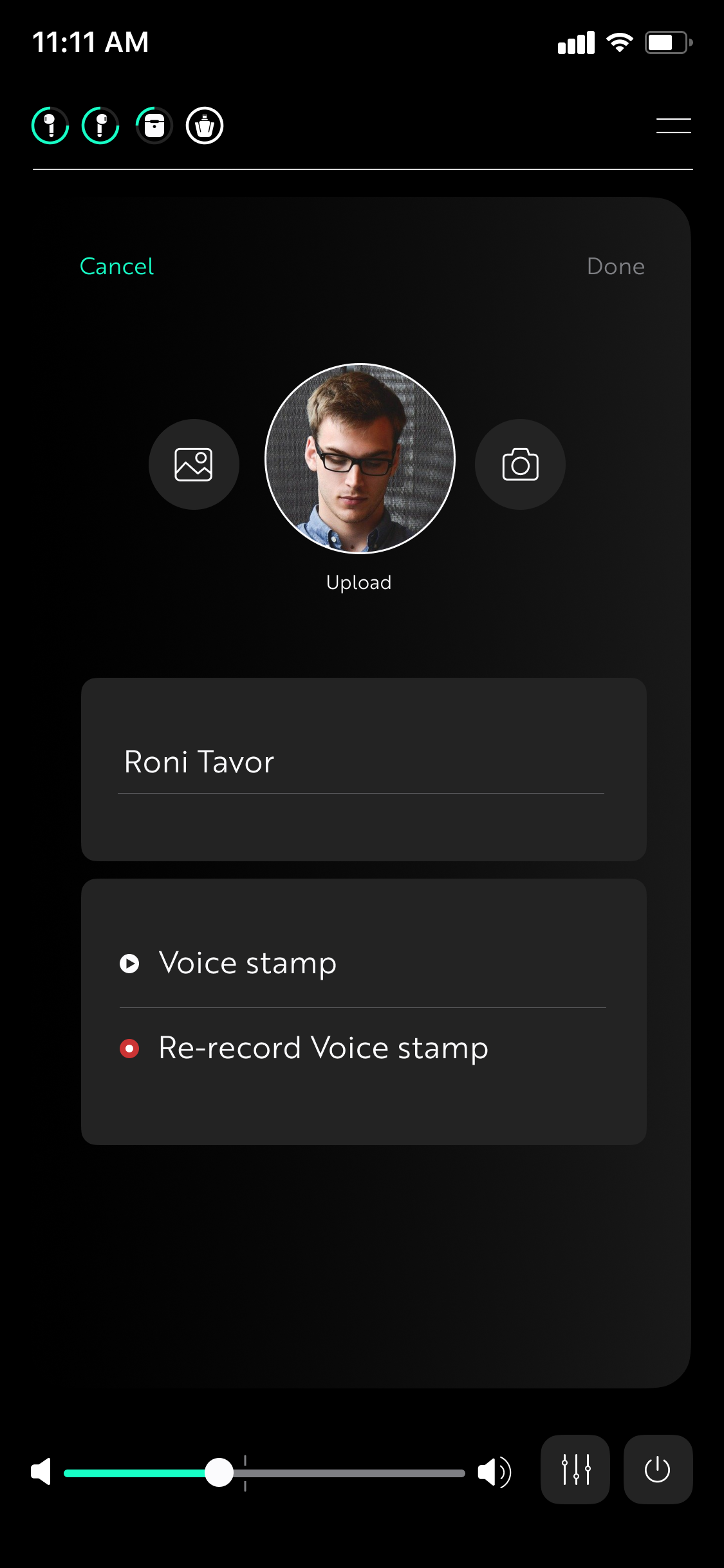
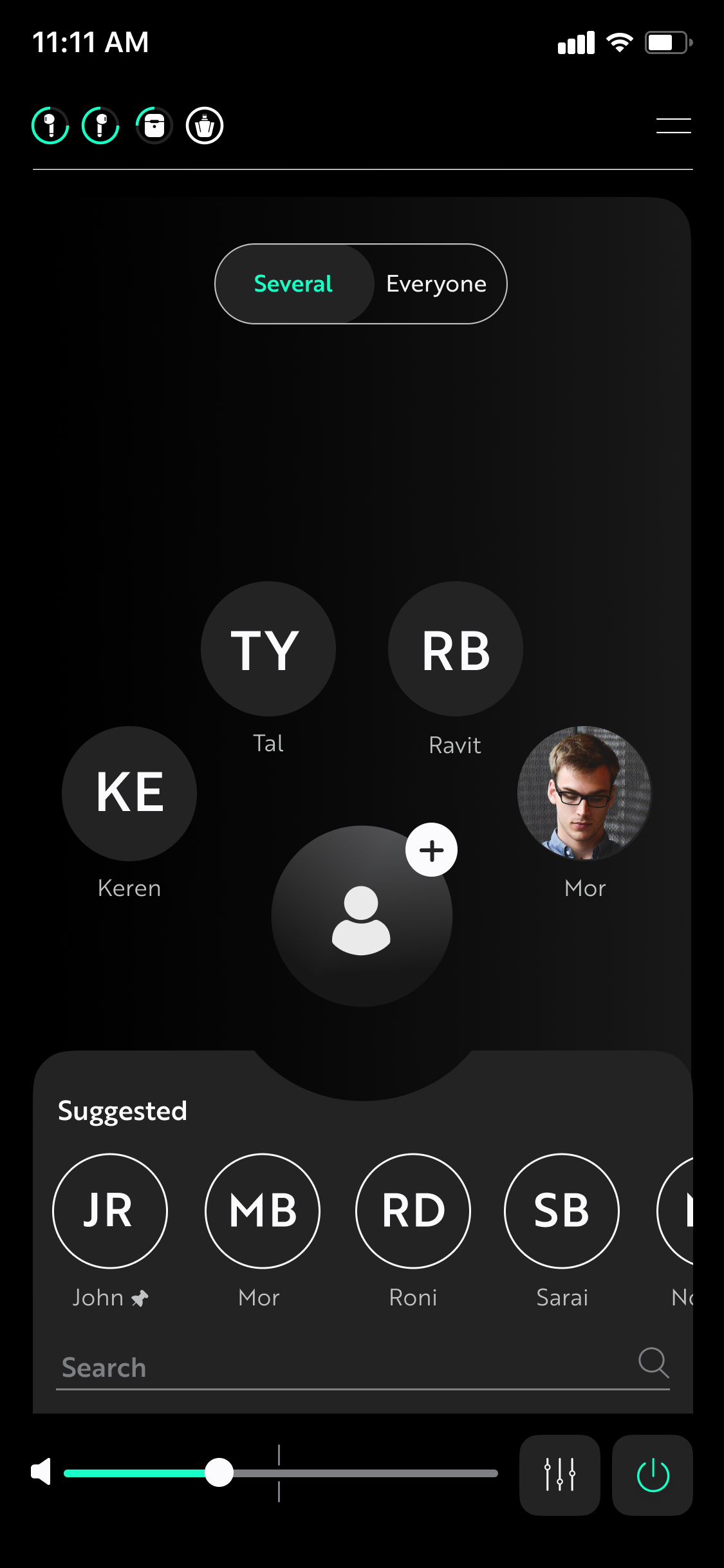
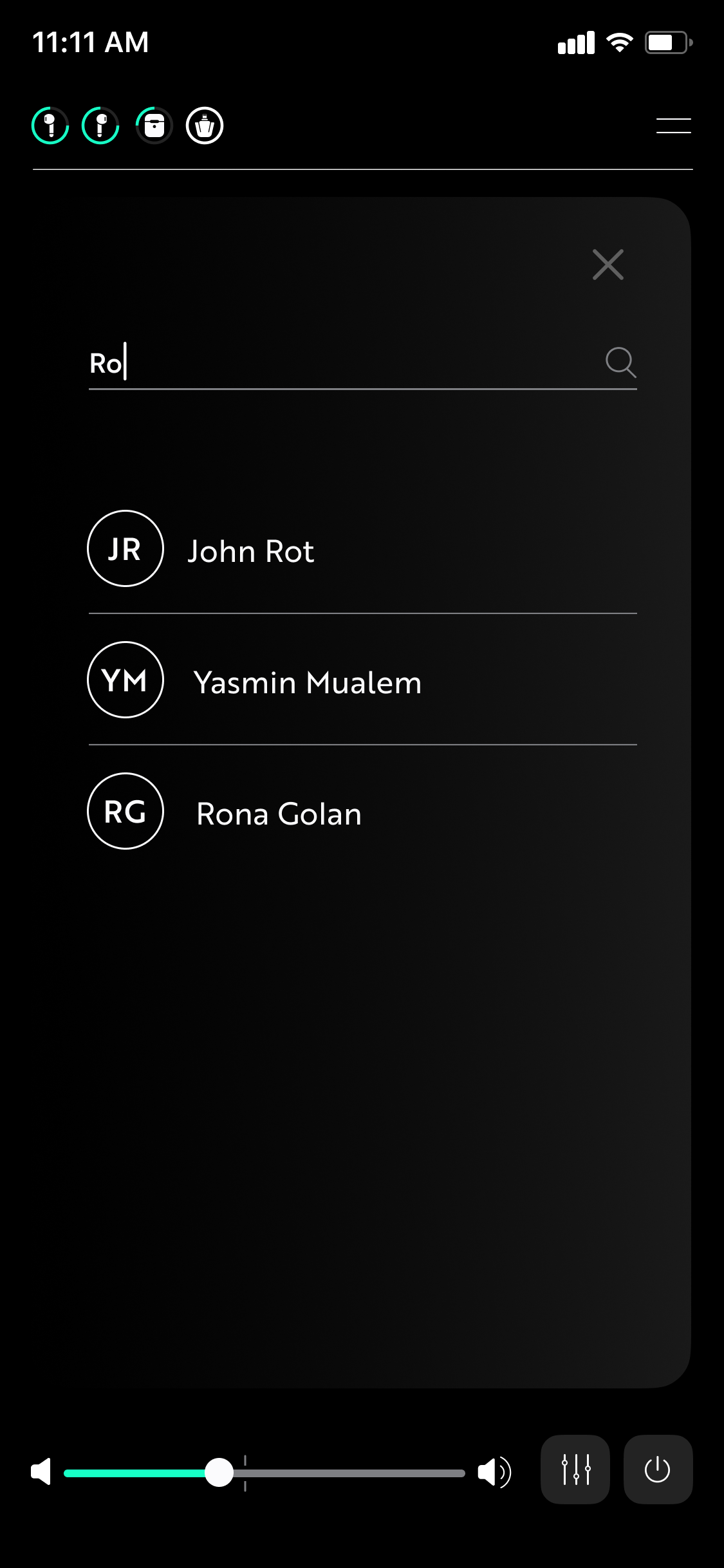
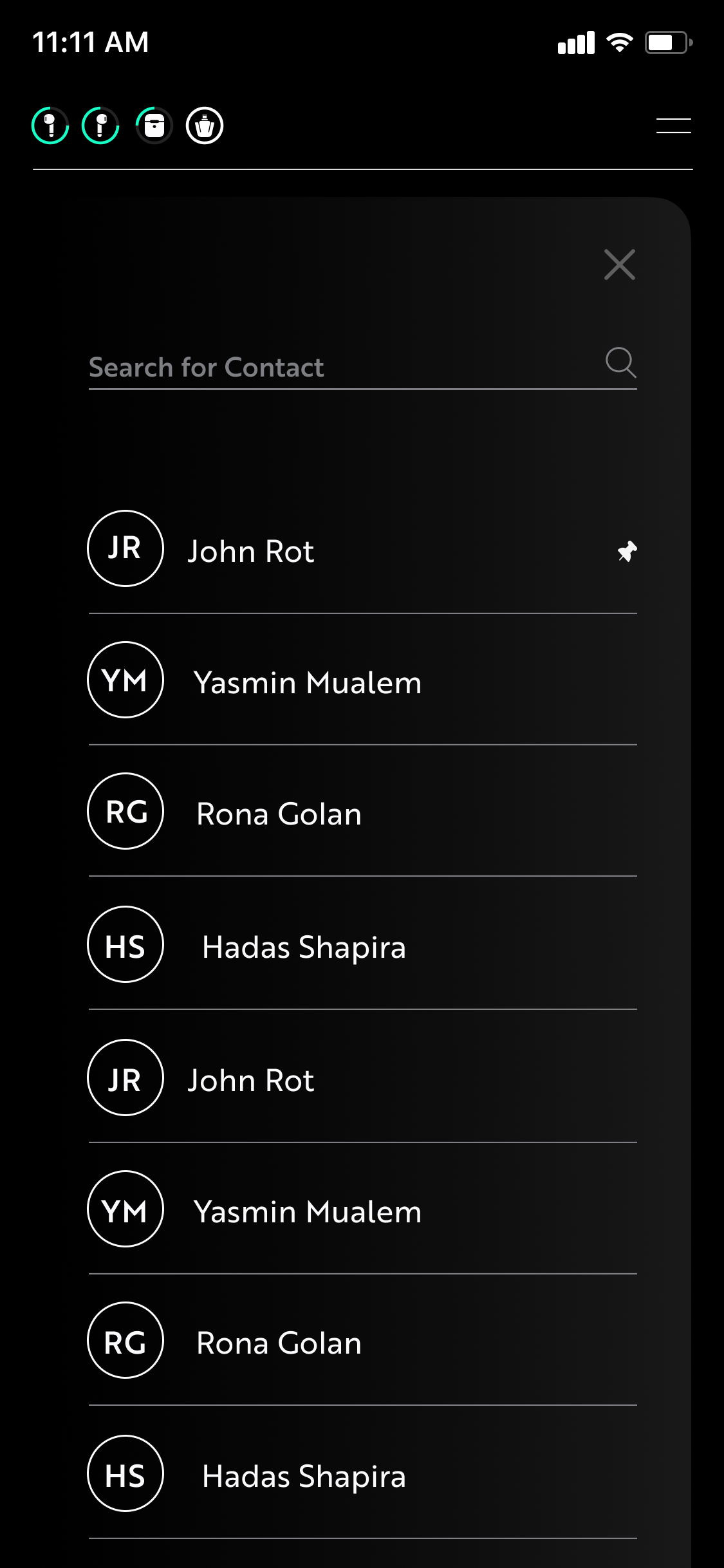
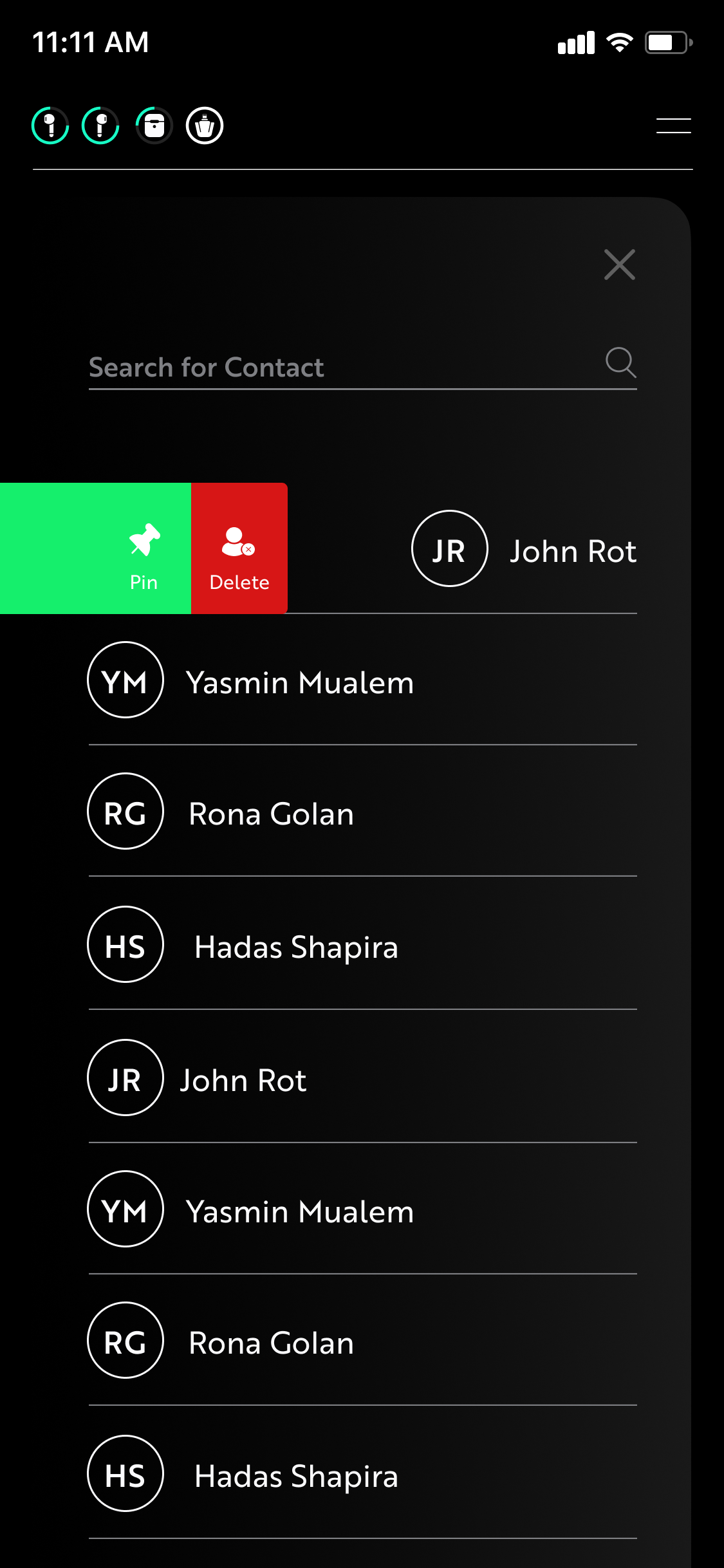


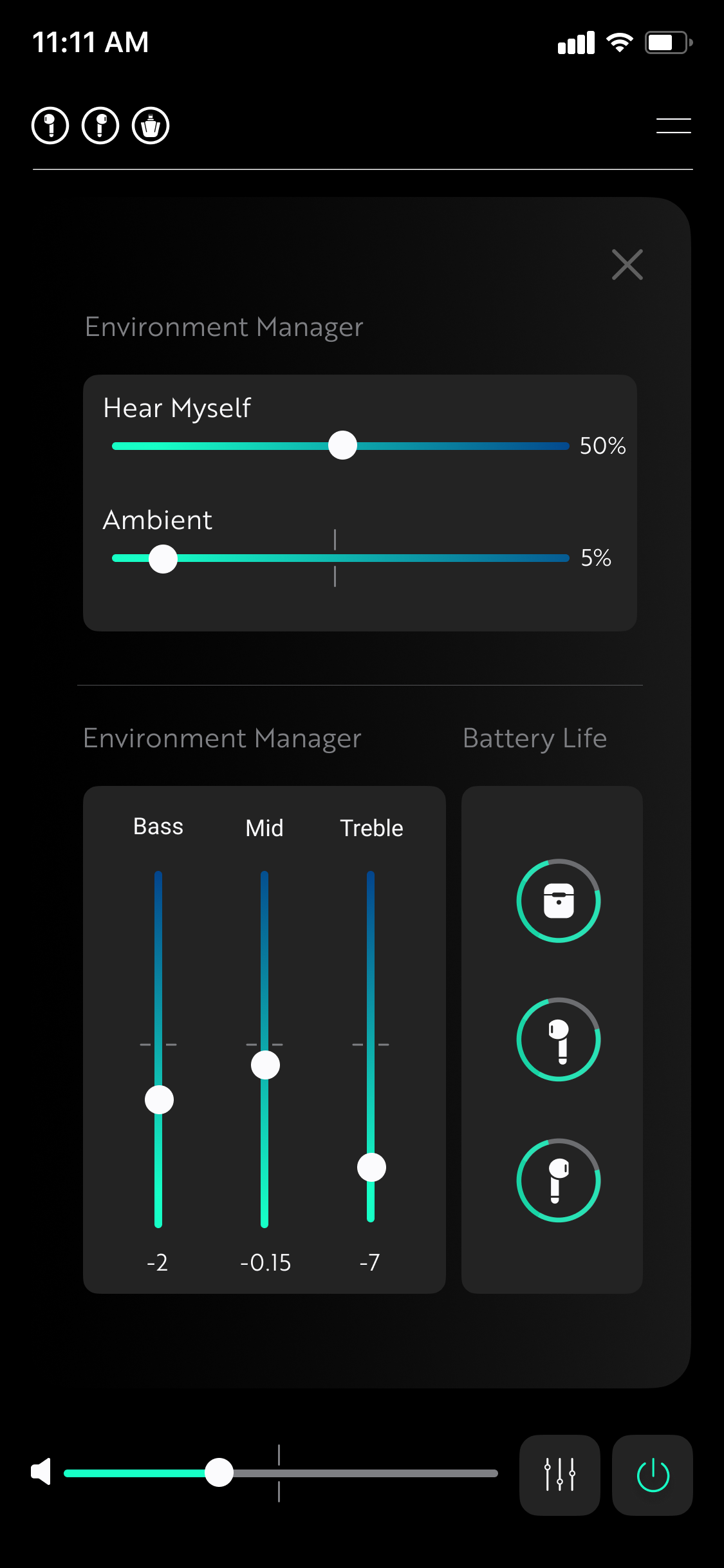
Following a usability test with our target audience and subsequent development trials, we recognized the diversity in vision challenges and user preferences. To address this, we enhanced the platform with more flexible visual and vocal adjustment capabilities. Subsequent usability tests confirmed the effectiveness, and we released the updated version to both new and existing users.
Following a usability test with our target audience and subsequent development trials, we recognized the diversity in vision challenges and user preferences. To address this, we enhanced the platform with more flexible visual and vocal adjustment capabilities. Subsequent usability tests confirmed the effectiveness, and we released the updated version to both new and existing users.
Following a usability test with our target audience and subsequent development trials, we recognized the diversity in vision challenges and user preferences. To address this, we enhanced the platform with more flexible visual and vocal adjustment capabilities. Subsequent usability tests confirmed the effectiveness, and we released the updated version to both new and existing users.
Following a usability test with our target audience and subsequent development trials, we recognized the diversity in vision challenges and user preferences. To address this, we enhanced the platform with more flexible visual and vocal adjustment capabilities. Subsequent usability tests confirmed the effectiveness, and we released the updated version to both new and existing users.
Following a usability test with our target audience and subsequent development trials, we recognized the diversity in vision challenges and user preferences. To address this, we enhanced the platform with more flexible visual and vocal adjustment capabilities. Subsequent usability tests confirmed the effectiveness, and we released the updated version to both new and existing users.
Coming Soon
Coming Soon
Coming Soon
Coming Soon
.svg)