.svg)

.png)
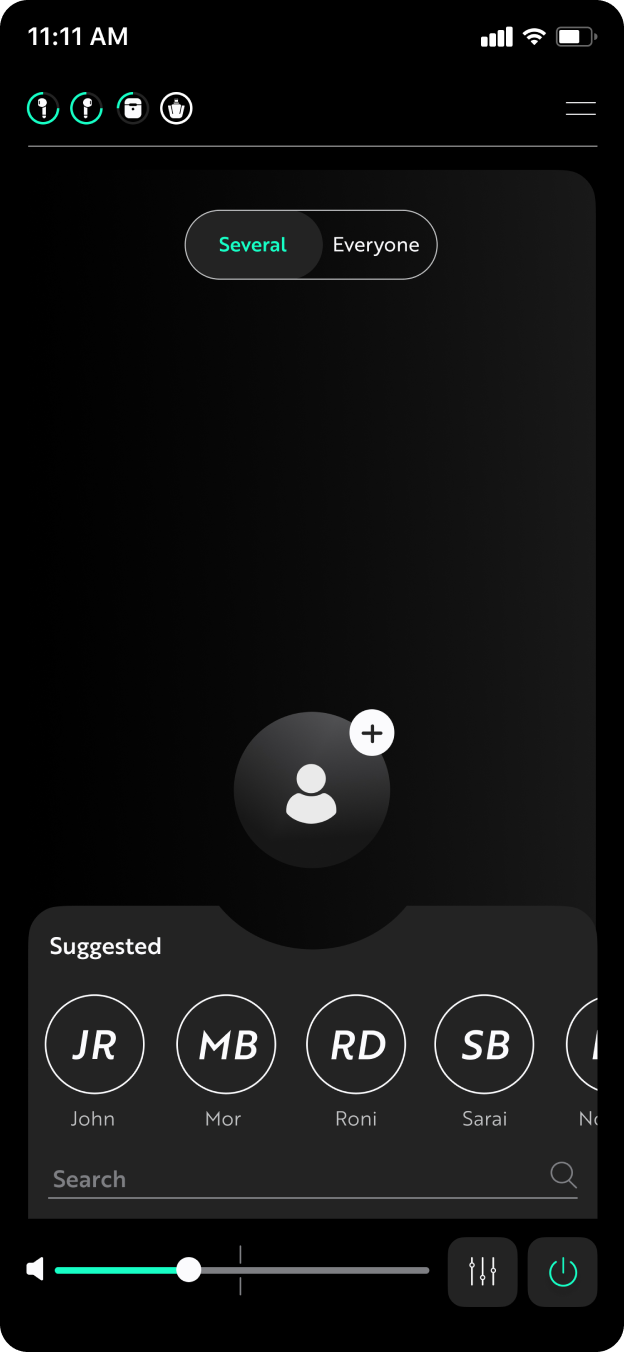
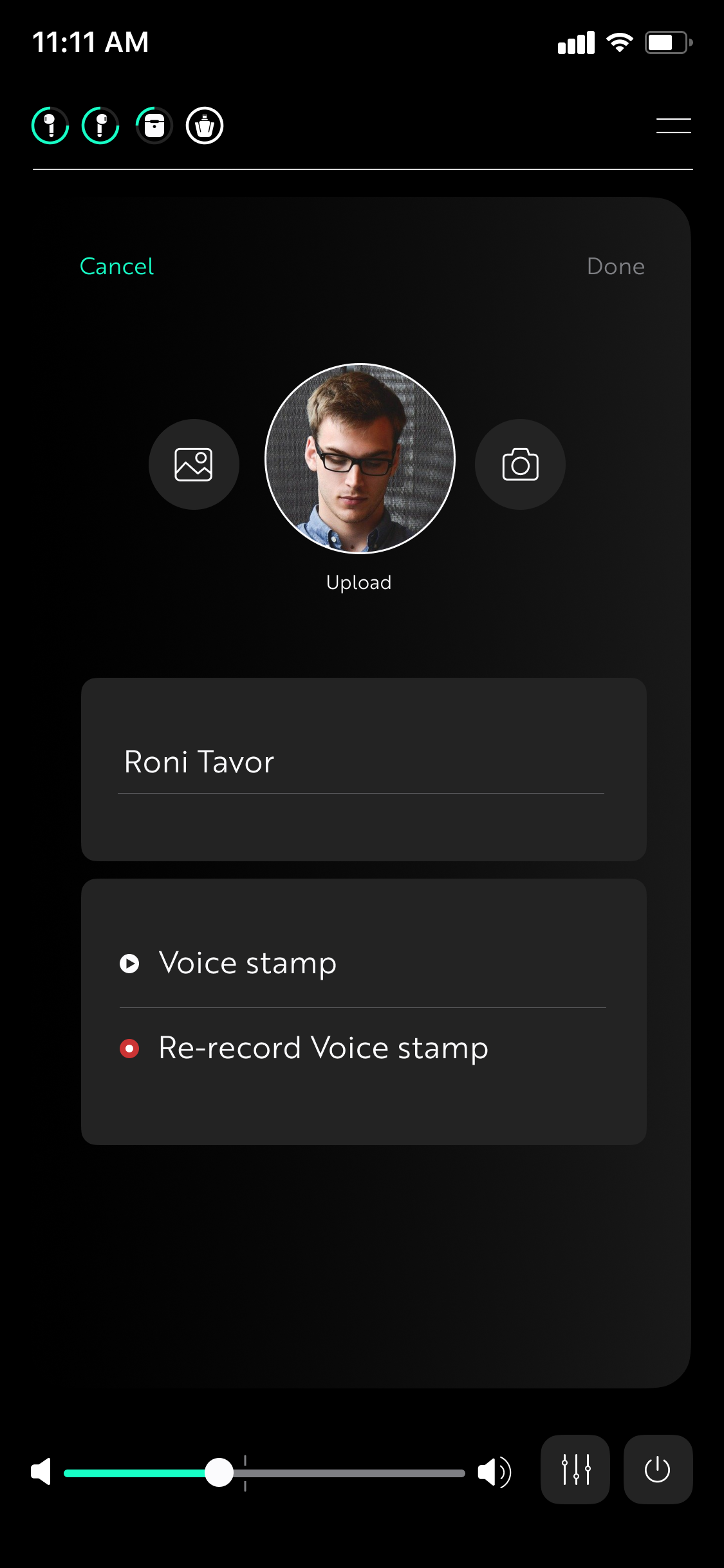
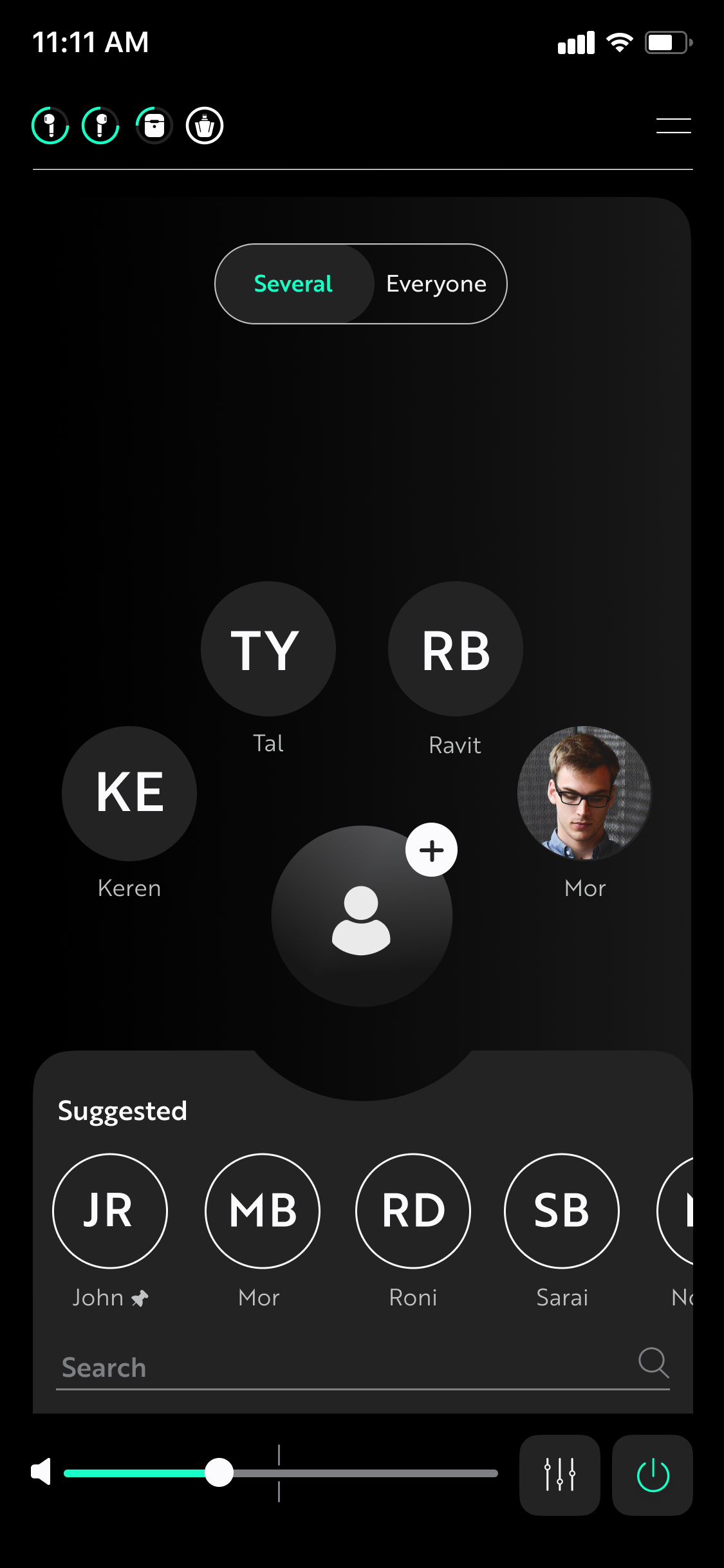
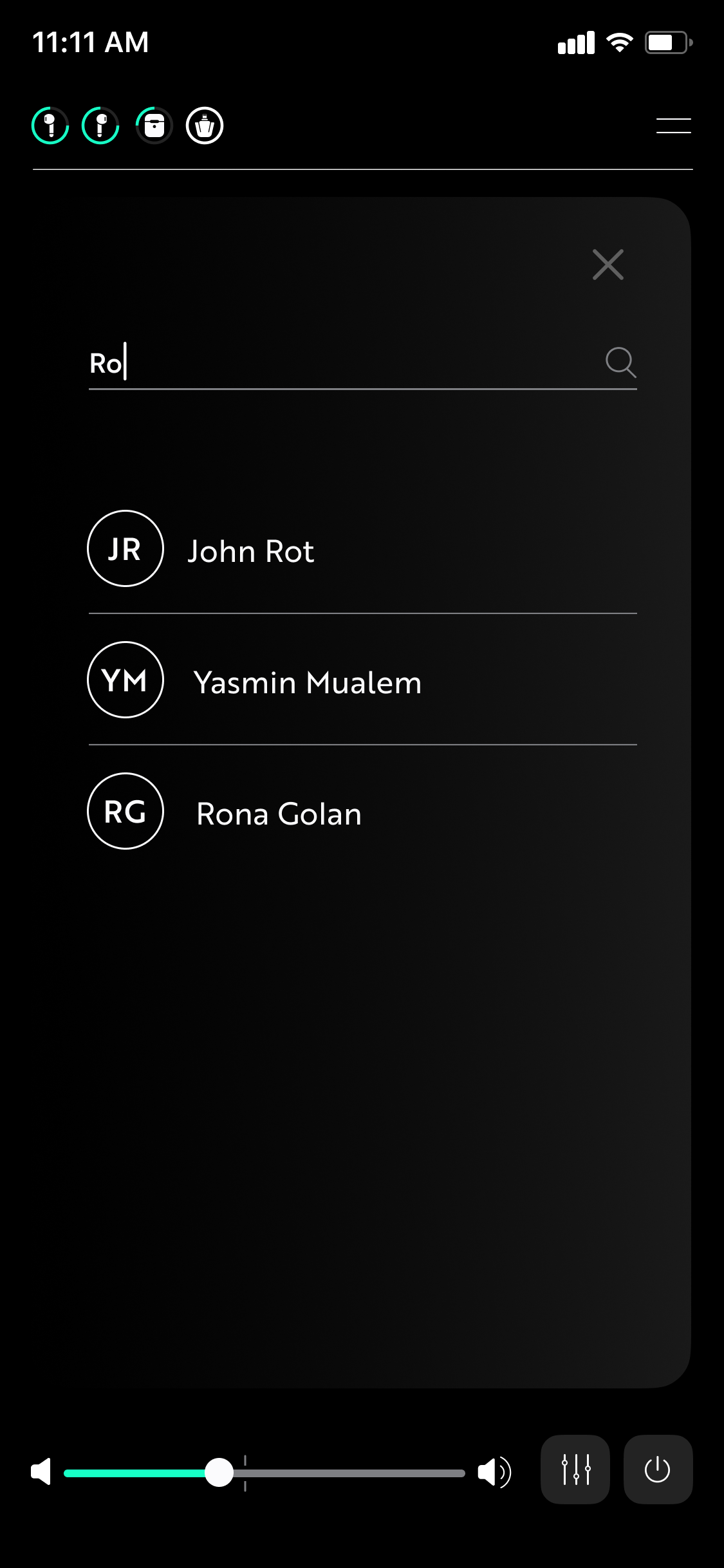
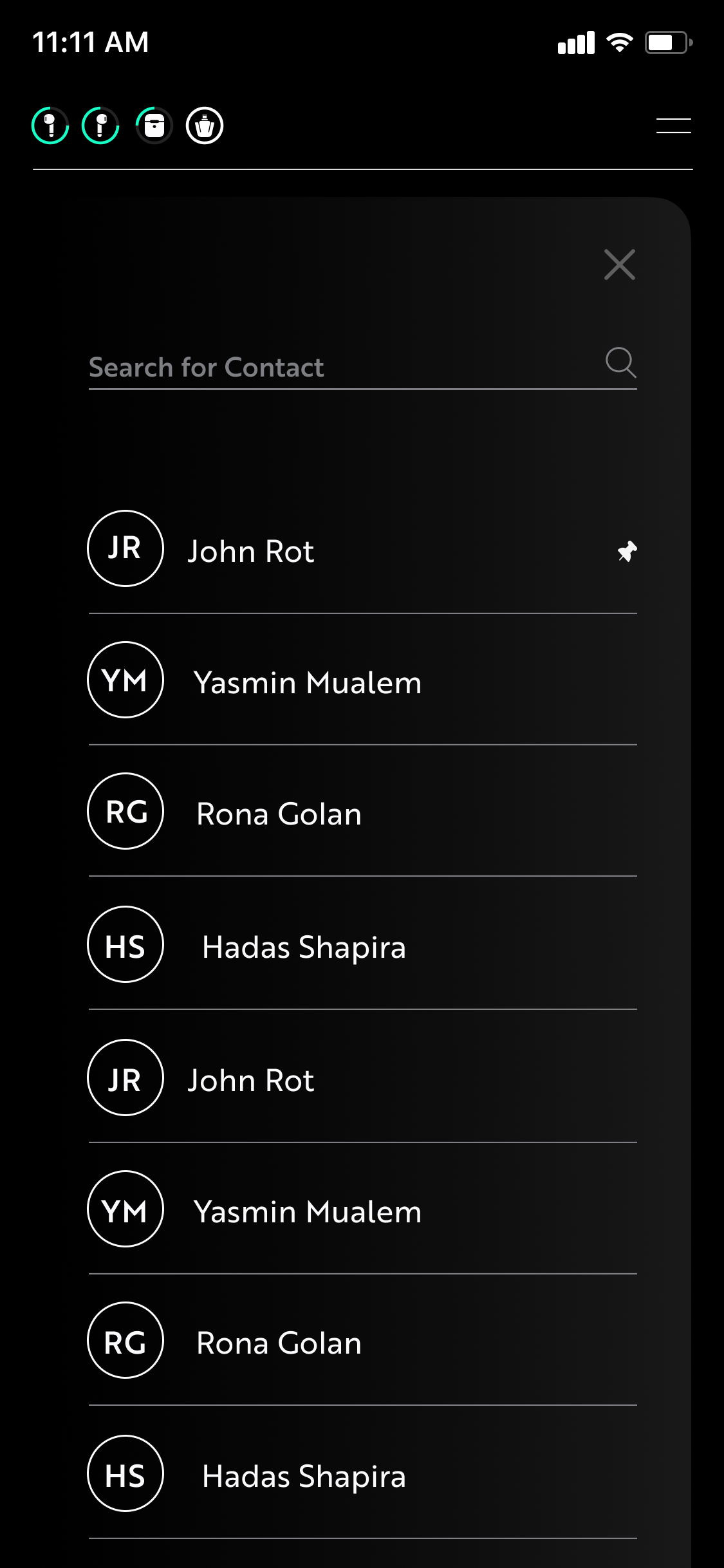
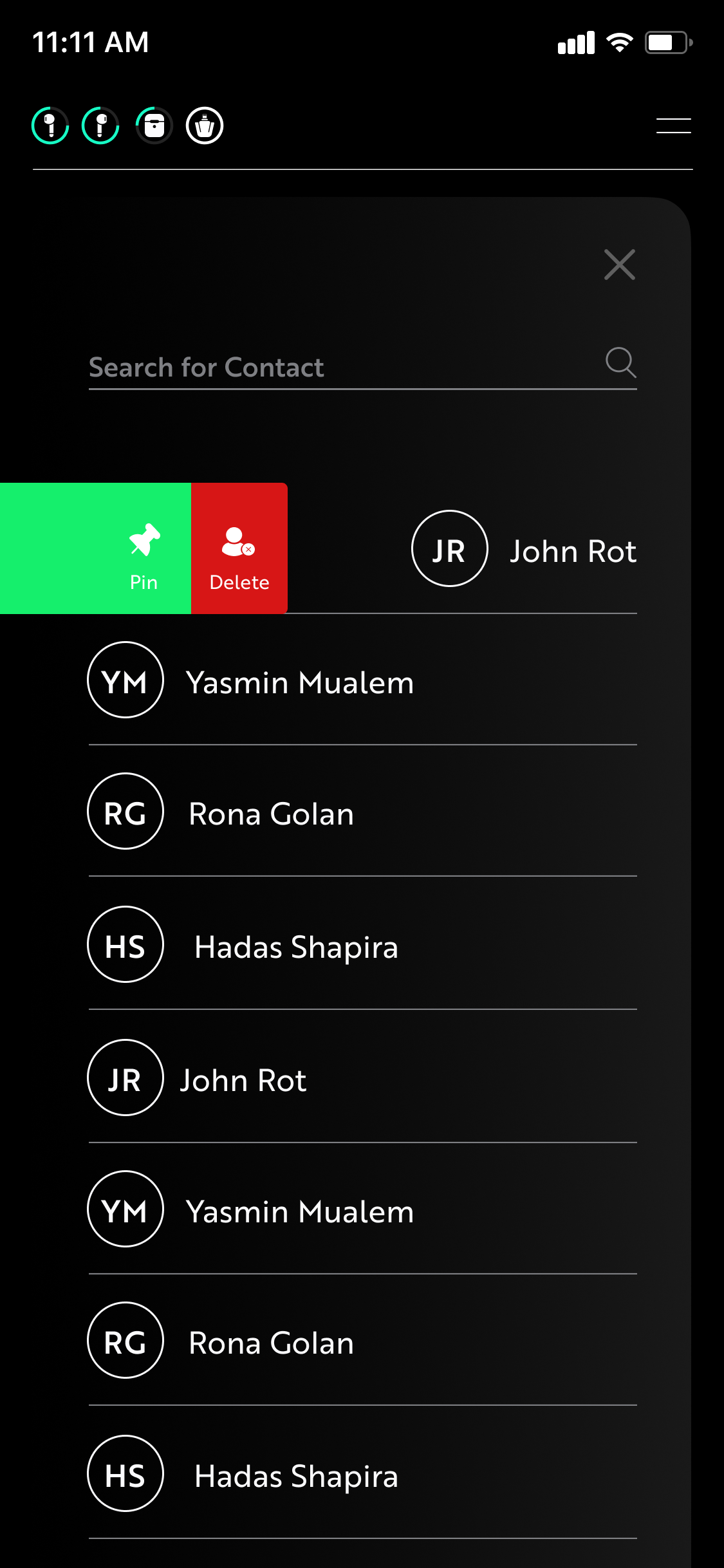
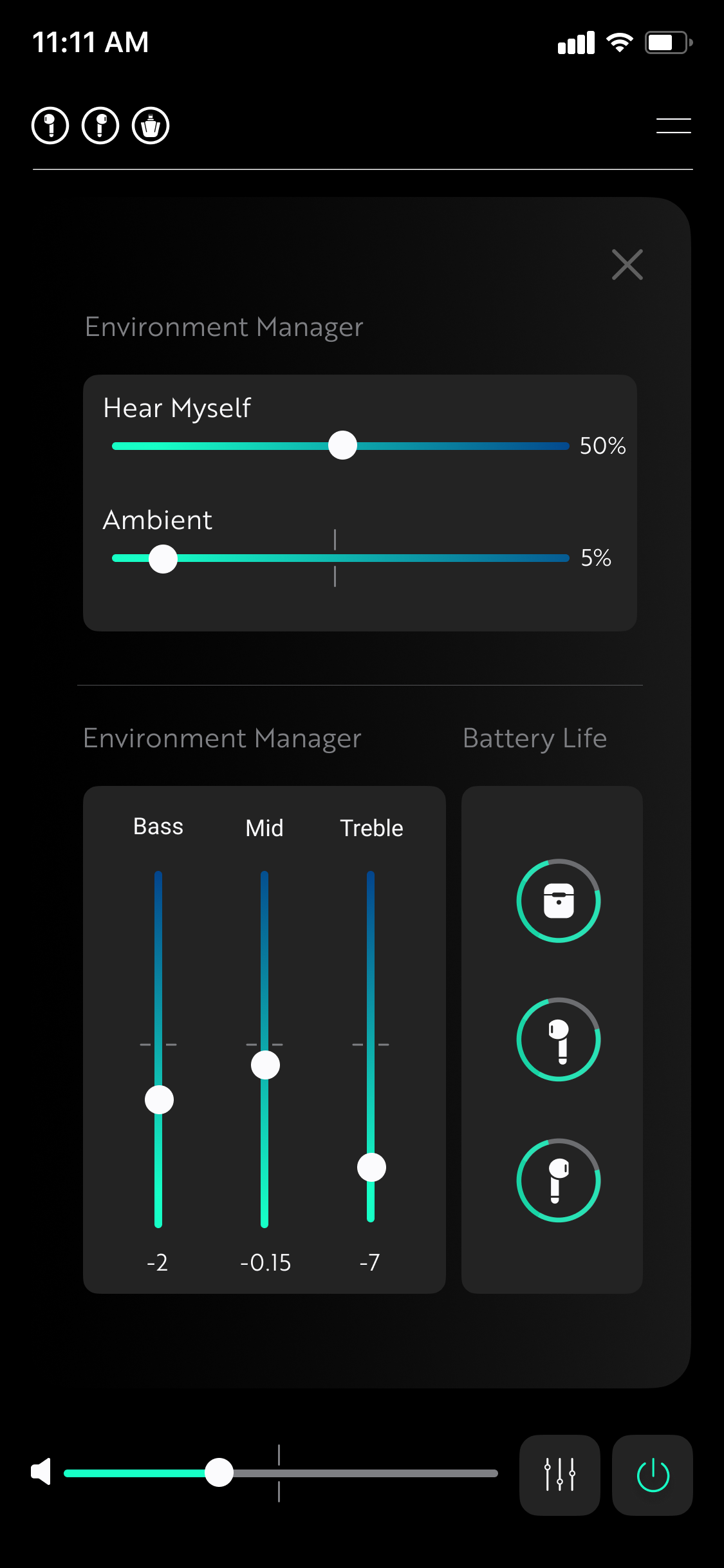
The OrCam Hear App complements the Orcam Hear device, tailored for the hearing impaired, excelling in noise separation, vocal isolation, and overall audio control. Users can select and adjust speakers while managing background noise through the app. In this ongoing four-year journey, the product has evolved across hardware, software, and design. The showcased project provides a glimpse into the captivating fusion of research, technology, and design that defines the Orcam Hear solution.




Our mission involved studying user behavior to inform the design of a mobile application. Analysis of previous versions revealed that users predominantly engage with the product in noisy environments and during conversations. Moreover, we identified challenges with voice recognition and recording processes. The challenge was to integrate the app seamlessly with a physical device, aligning with users' physical behaviors, minimizing interactions, and avoiding undue interference.
Our mission involved studying user behavior to inform the design of a mobile application. Analysis of previous versions revealed that users predominantly engage with the product in noisy environments and during conversations. Moreover, we identified challenges with voice recognition and recording processes. The challenge was to integrate the app seamlessly with a physical device, aligning with users' physical behaviors, minimizing interactions, and avoiding undue interference.
Our mission involved studying user behavior to inform the design of a mobile application. Analysis of previous versions revealed that users predominantly engage with the product in noisy environments and during conversations. Moreover, we identified challenges with voice recognition and recording processes. The challenge was to integrate the app seamlessly with a physical device, aligning with users' physical behaviors, minimizing interactions, and avoiding undue interference.
Our mission involved studying user behavior to inform the design of a mobile application. Analysis of previous versions revealed that users predominantly engage with the product in noisy environments and during conversations. Moreover, we identified challenges with voice recognition and recording processes. The challenge was to integrate the app seamlessly with a physical device, aligning with users' physical behaviors, minimizing interactions, and avoiding undue interference.
Our mission involved studying user behavior to inform the design of a mobile application. Analysis of previous versions revealed that users predominantly engage with the product in noisy environments and during conversations. Moreover, we identified challenges with voice recognition and recording processes. The challenge was to integrate the app seamlessly with a physical device, aligning with users' physical behaviors, minimizing interactions, and avoiding undue interference.
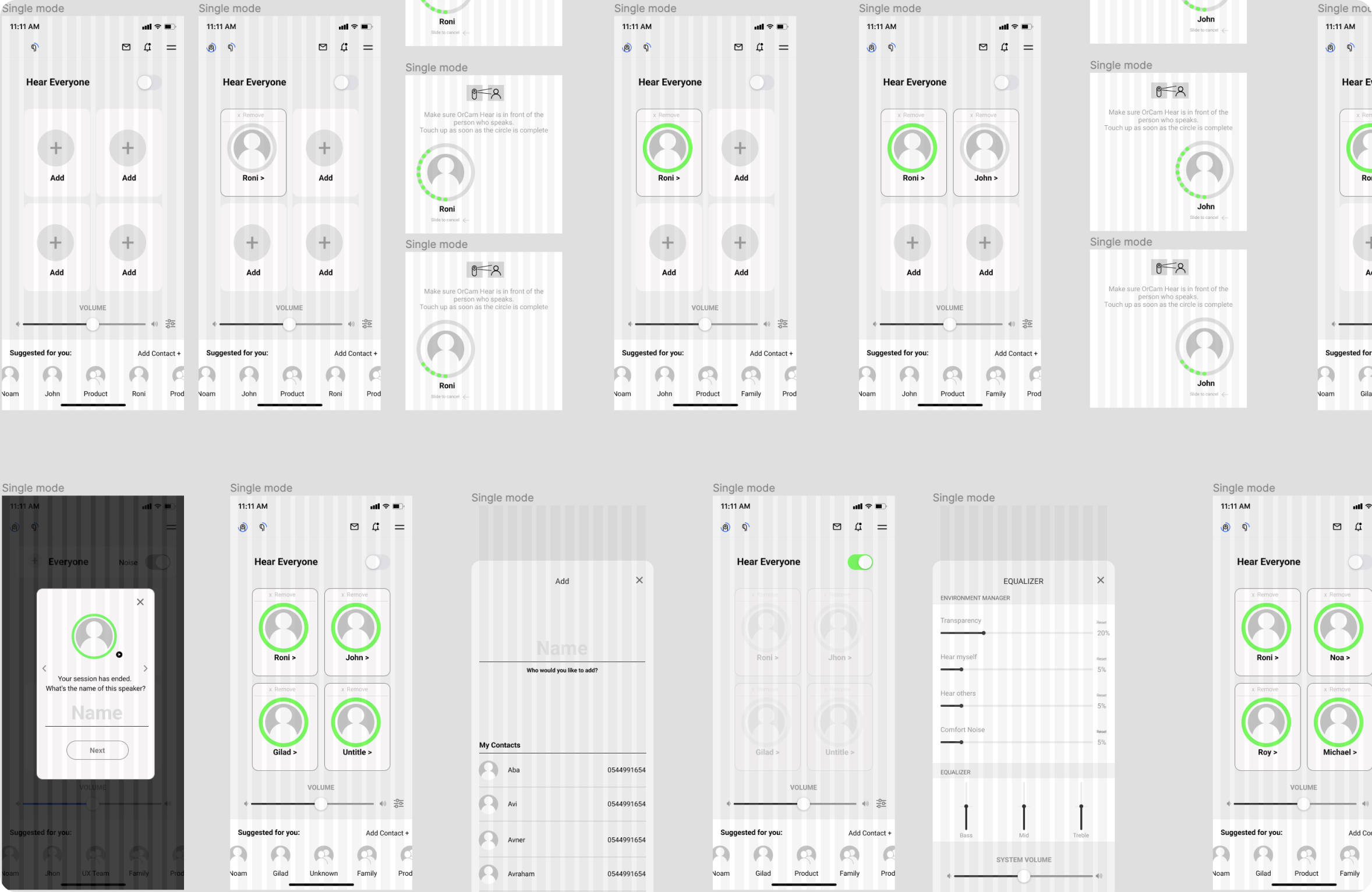
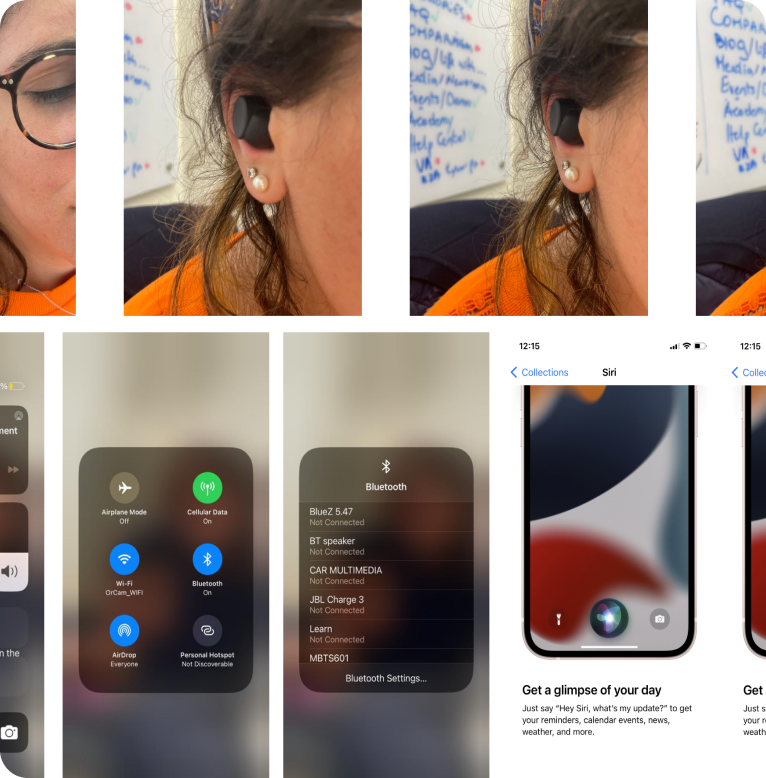
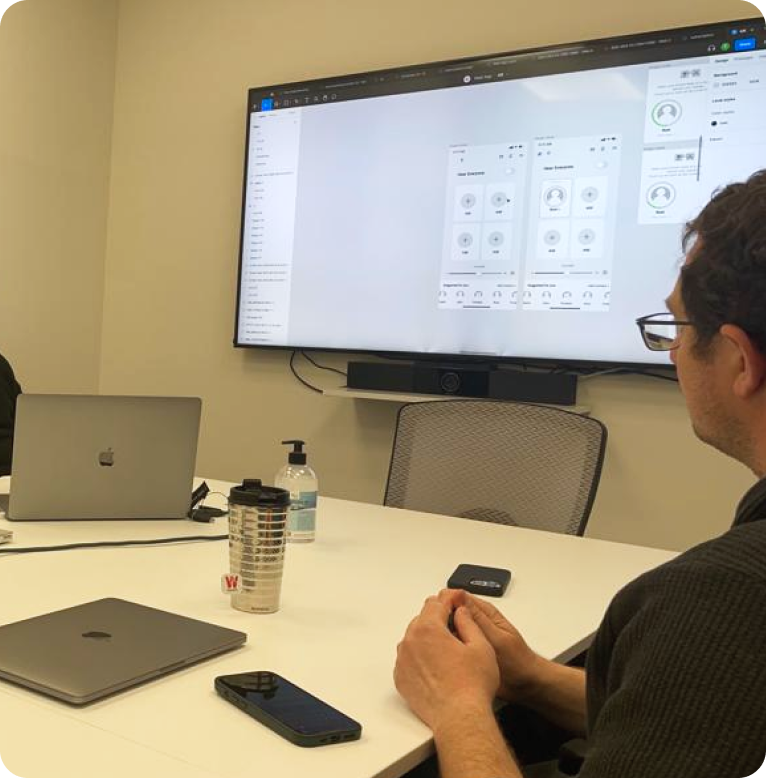

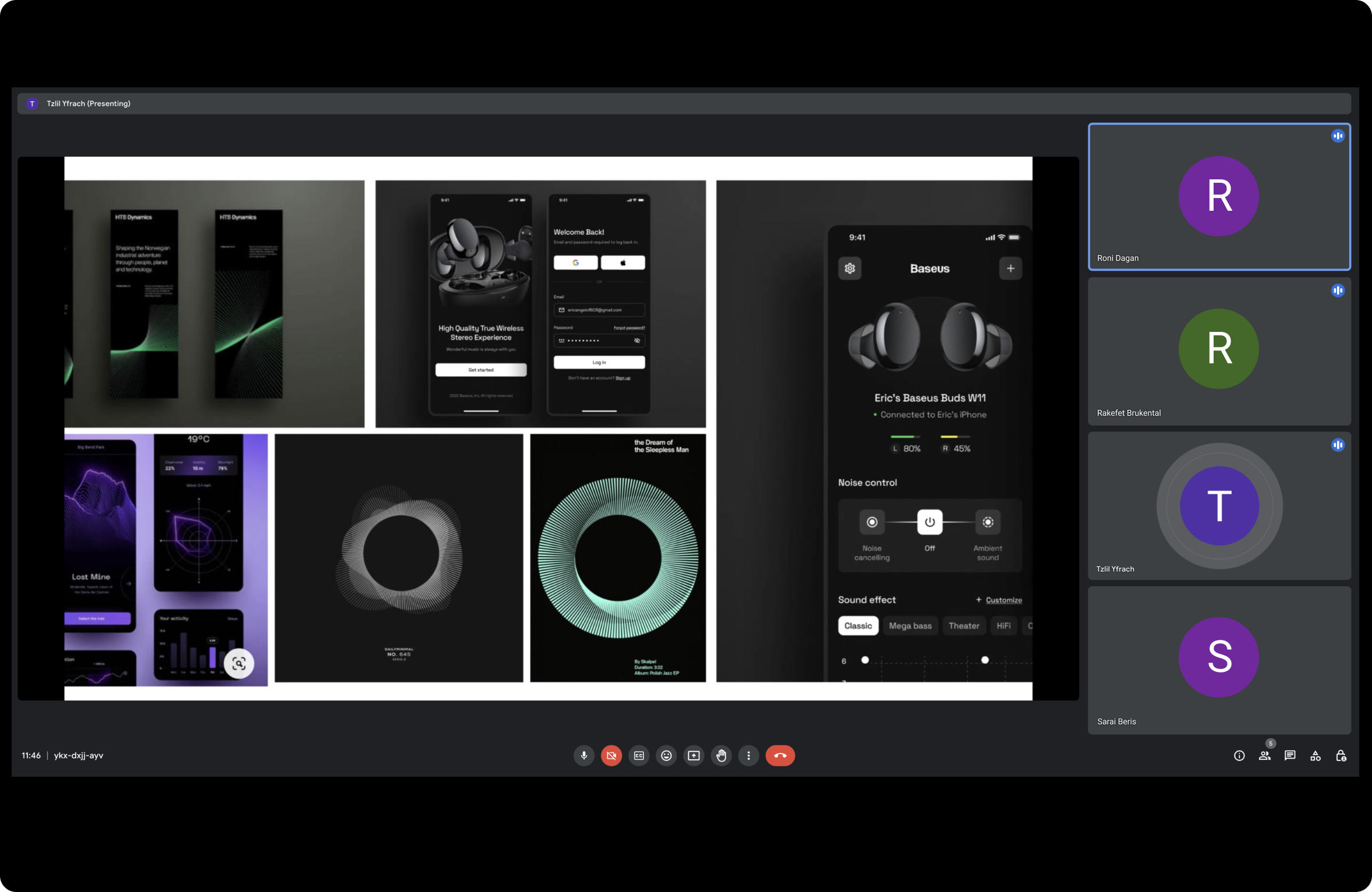
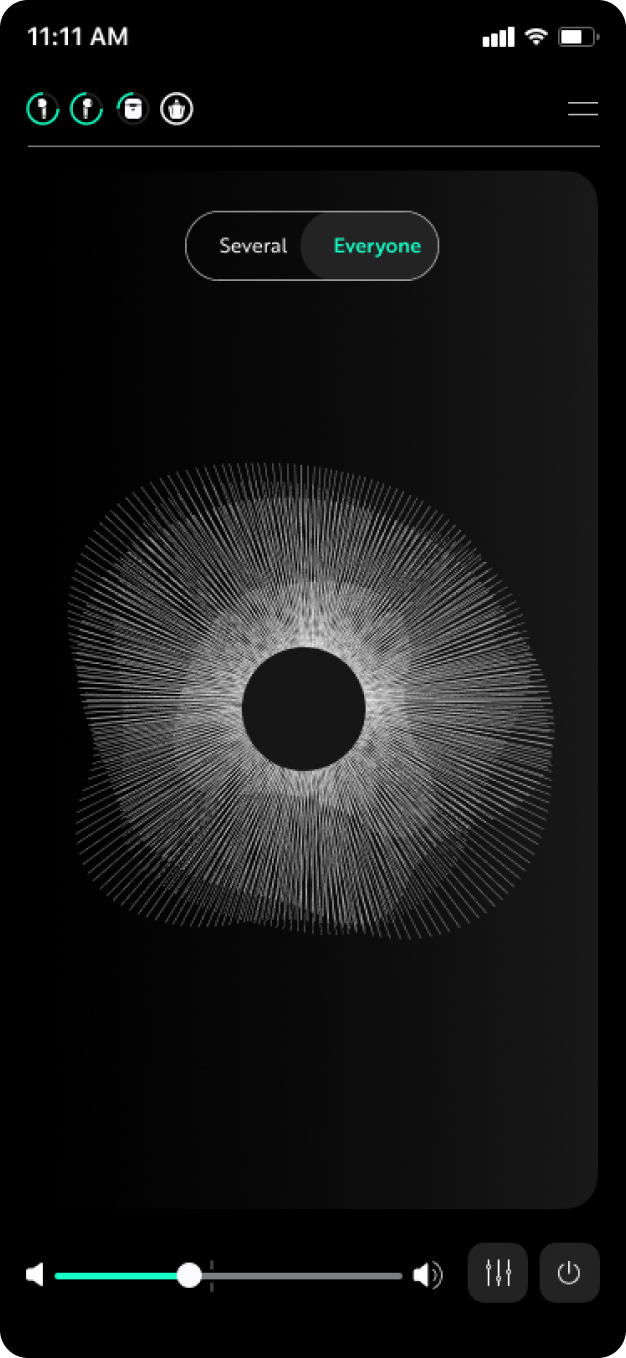
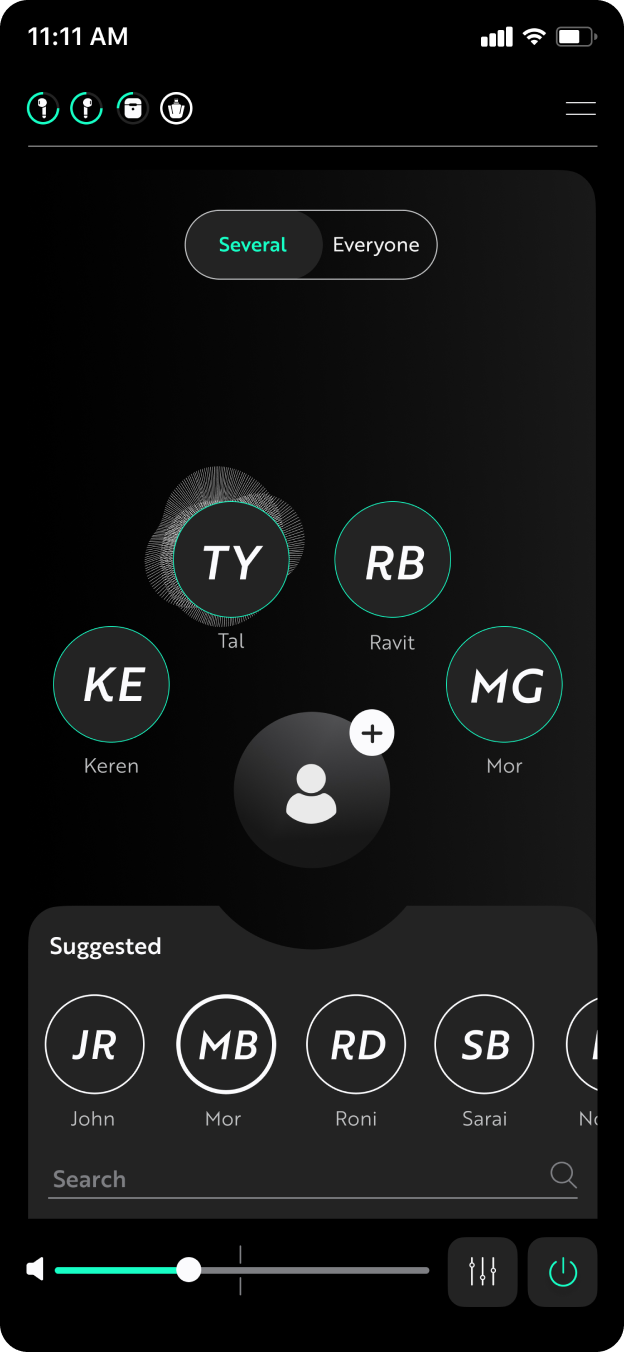
The app's development, led by product manager Roi Cohen, is grounded in extensive research. We re-evaluated our target audience, recognizing the unique stages of hearing loss. Pain points included a delayed problem acknowledgment and inadequate market solutions. Collaborating with top hearing aid developers, our approach embraced "design thinking" principles.
The app's development, led by product manager Roi Cohen, is grounded in extensive research. We re-evaluated our target audience, recognizing the unique stages of hearing loss. Pain points included a delayed problem acknowledgment and inadequate market solutions. Collaborating with top hearing aid developers, our approach embraced "design thinking" principles.
The app's development, led by product manager Roi Cohen, is grounded in extensive research. We re-evaluated our target audience, recognizing the unique stages of hearing loss. Pain points included a delayed problem acknowledgment and inadequate market solutions. Collaborating with top hearing aid developers, our approach embraced "design thinking" principles.
The app's development, led by product manager Roi Cohen, is grounded in extensive research. We re-evaluated our target audience, recognizing the unique stages of hearing loss. Pain points included a delayed problem acknowledgment and inadequate market solutions. Collaborating with top hearing aid developers, our approach embraced "design thinking" principles.
The app's development, led by product manager Roi Cohen, is grounded in extensive research. We re-evaluated our target audience, recognizing the unique stages of hearing loss. Pain points included a delayed problem acknowledgment and inadequate market solutions. Collaborating with top hearing aid developers, our approach embraced "design thinking" principles.
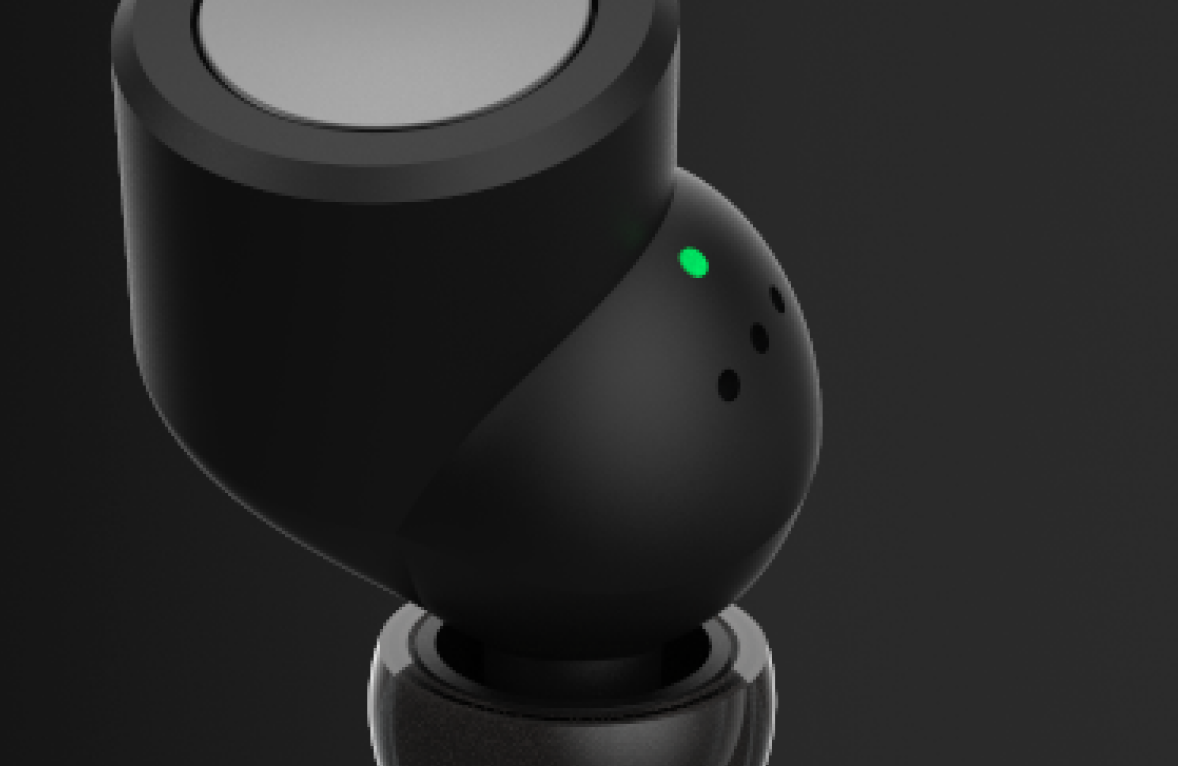
We aimed for a user-friendly call experience, minimizing distractions for both users and nearby speakers. Integrated visual, vibration, and sound cues enhance accessibility and discretion. Our process involved visual research and motion code development for the final result.
We aimed for a user-friendly call experience, minimizing distractions for both users and nearby speakers. Integrated visual, vibration, and sound cues enhance accessibility and discretion. Our process involved visual research and motion code development for the final result.
We aimed for a user-friendly call experience, minimizing distractions for both users and nearby speakers. Integrated visual, vibration, and sound cues enhance accessibility and discretion. Our process involved visual research and motion code development for the final result.
We aimed for a user-friendly call experience, minimizing distractions for both users and nearby speakers. Integrated visual, vibration, and sound cues enhance accessibility and discretion. Our process involved visual research and motion code development for the final result.
We aimed for a user-friendly call experience, minimizing distractions for both users and nearby speakers. Integrated visual, vibration, and sound cues enhance accessibility and discretion. Our process involved visual research and motion code development for the final result.
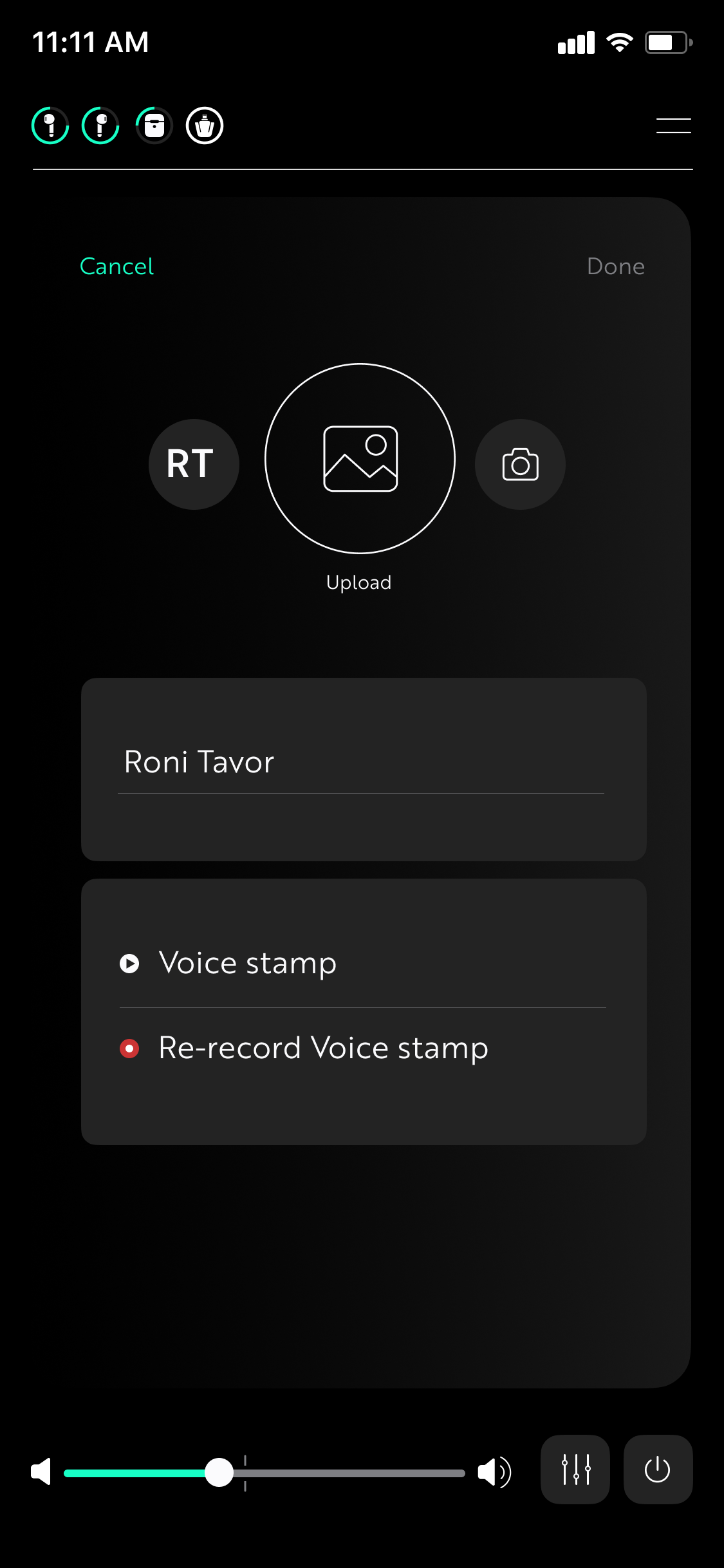





Comming soon
Comming soon
Comming soon
Comming soon
Comming soon
Comming soon
Comming soon
Comming soon
Comming soon
.svg)