.svg)

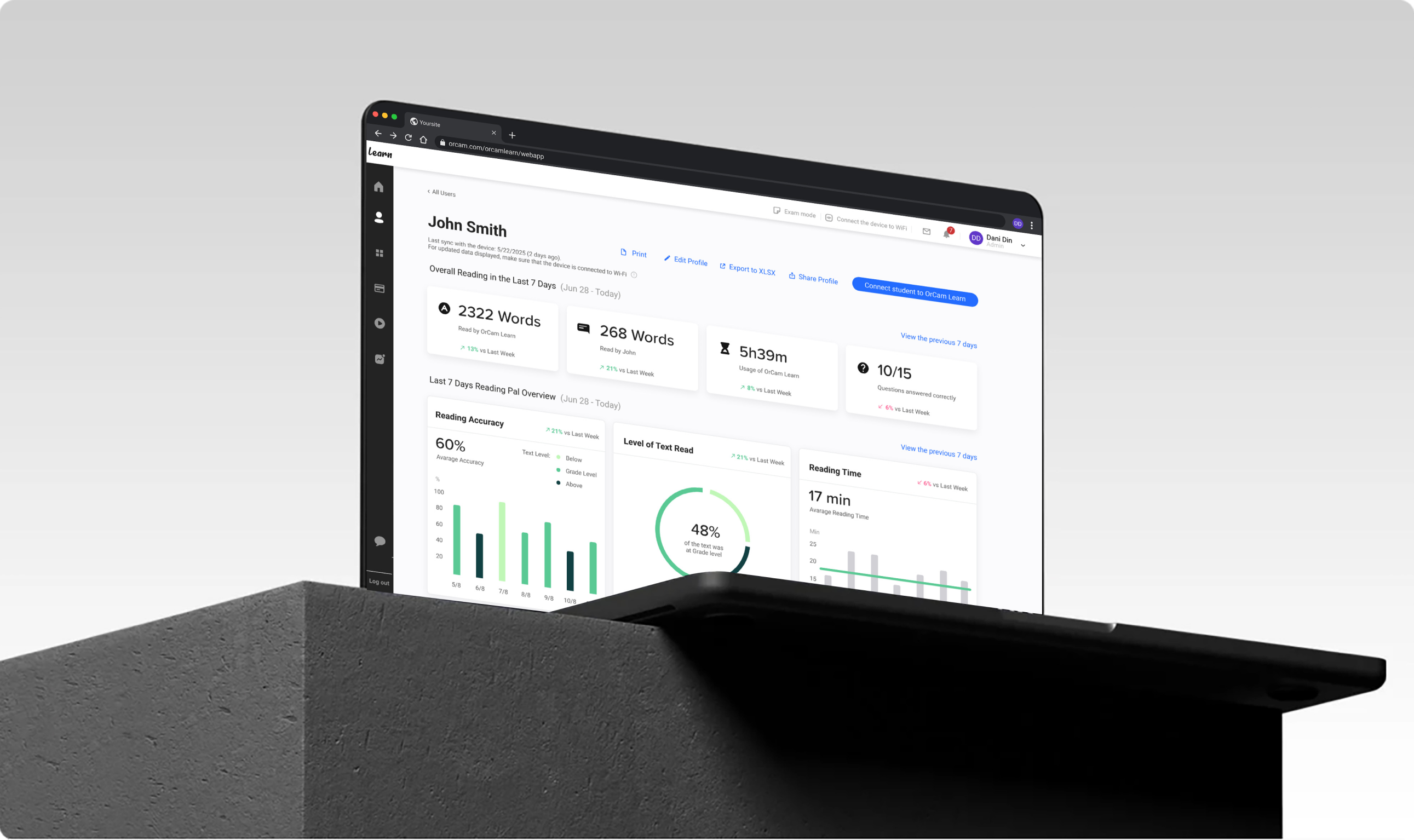
OrCam Learn is a game-changing solution that offers practical reading support and feedback to students, while empowering educators with data and analytics to better guide their students' academic journeys – so challenged readers can become independent readers, enjoy learning, and grow their confidence.




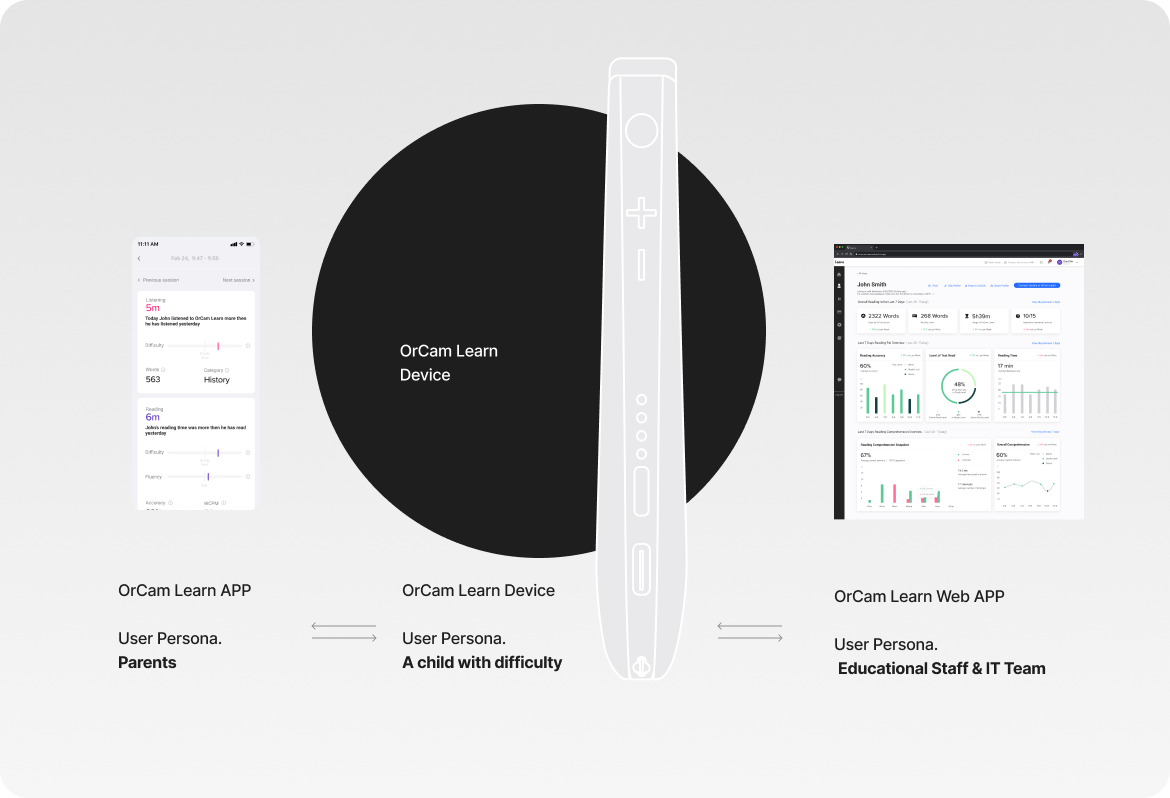
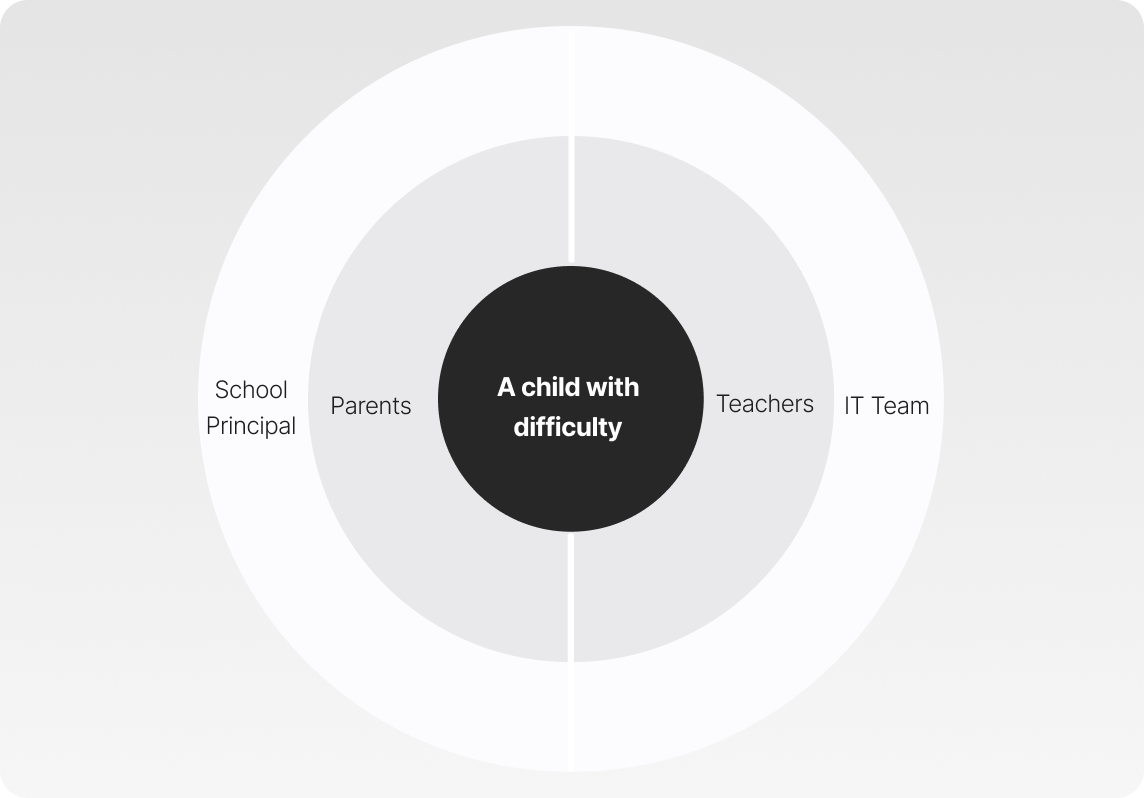
We embarked on a remarkable journey with our product, "OrCam Learn," recognizing its potential for students who need to improve their reading skills. However, market assimilation posed a problem. Through data, research, and user interviews, we realized that an outstanding product alone isn't enough. Without serving the circles around the child—parents and school teachers—we couldn't implement the product effectively. To address this, we developed the "Orcam Learn Web App." Its purpose is to wrap the use of the product in the guidance and pedagogical monitoring of school teachers. The motivation for teachers lies in the app lightening their workload, collecting, measuring, and monitoring students' performance. This strategic approach ensures Orcam Learn becomes an indispensable tool in the educational journey.
We embarked on a remarkable journey with our product, "OrCam Learn," recognizing its potential for students who need to improve their reading skills. However, market assimilation posed a problem. Through data, research, and user interviews, we realized that an outstanding product alone isn't enough. Without serving the circles around the child—parents and school teachers—we couldn't implement the product effectively. To address this, we developed the "Orcam Learn Web App." Its purpose is to wrap the use of the product in the guidance and pedagogical monitoring of school teachers. The motivation for teachers lies in the app lightening their workload, collecting, measuring, and monitoring students' performance. This strategic approach ensures Orcam Learn becomes an indispensable tool in the educational journey.
We embarked on a remarkable journey with our product, "OrCam Learn," recognizing its potential for students who need to improve their reading skills. However, market assimilation posed a problem. Through data, research, and user interviews, we realized that an outstanding product alone isn't enough. Without serving the circles around the child—parents and school teachers—we couldn't implement the product effectively. To address this, we developed the "Orcam Learn Web App." Its purpose is to wrap the use of the product in the guidance and pedagogical monitoring of school teachers. The motivation for teachers lies in the app lightening their workload, collecting, measuring, and monitoring students' performance. This strategic approach ensures Orcam Learn becomes an indispensable tool in the educational journey.
We embarked on a remarkable journey with our product, "OrCam Learn," recognizing its potential for students who need to improve their reading skills. However, market assimilation posed a problem. Through data, research, and user interviews, we realized that an outstanding product alone isn't enough. Without serving the circles around the child—parents and school teachers—we couldn't implement the product effectively. To address this, we developed the "Orcam Learn Web App." Its purpose is to wrap the use of the product in the guidance and pedagogical monitoring of school teachers. The motivation for teachers lies in the app lightening their workload, collecting, measuring, and monitoring students' performance. This strategic approach ensures Orcam Learn becomes an indispensable tool in the educational journey.
We embarked on a remarkable journey with our product, "OrCam Learn," recognizing its potential for students who need to improve their reading skills. However, market assimilation posed a problem. Through data, research, and user interviews, we realized that an outstanding product alone isn't enough. Without serving the circles around the child—parents and school teachers—we couldn't implement the product effectively. To address this, we developed the "Orcam Learn Web App." Its purpose is to wrap the use of the product in the guidance and pedagogical monitoring of school teachers. The motivation for teachers lies in the app lightening their workload, collecting, measuring, and monitoring students' performance. This strategic approach ensures Orcam Learn becomes an indispensable tool in the educational journey.

.png)
.png)




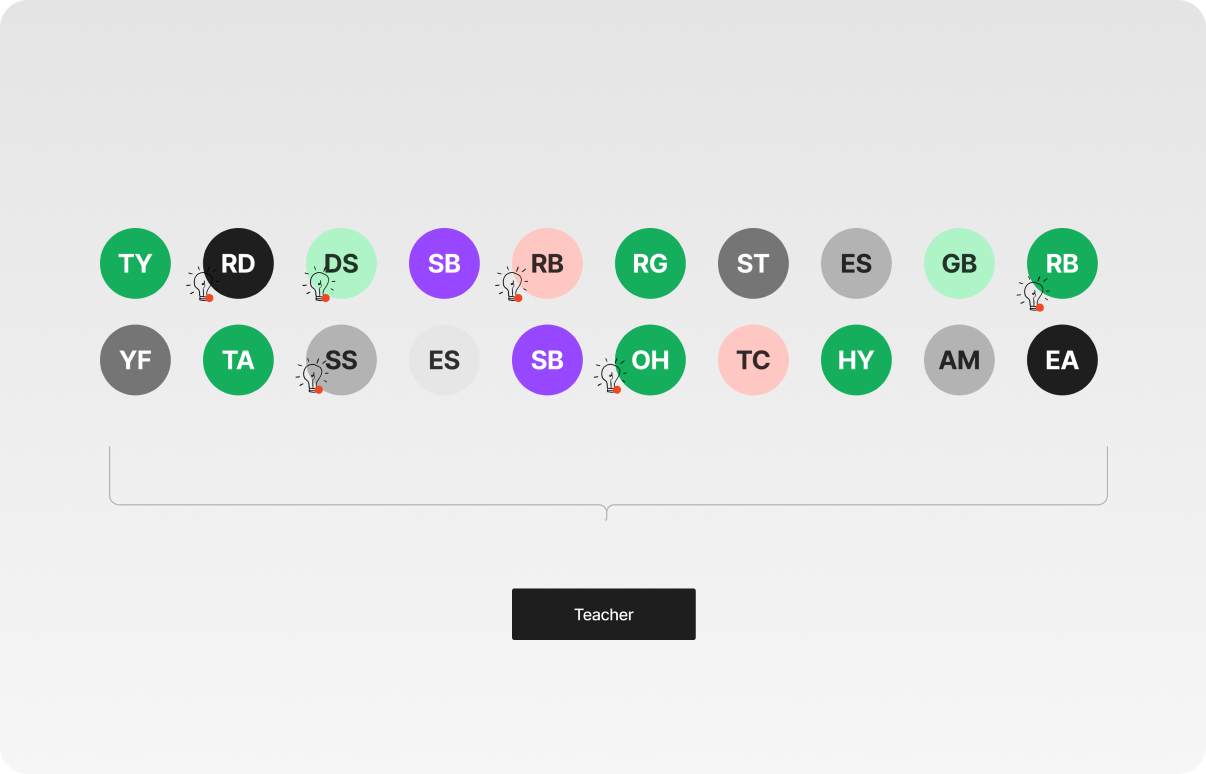
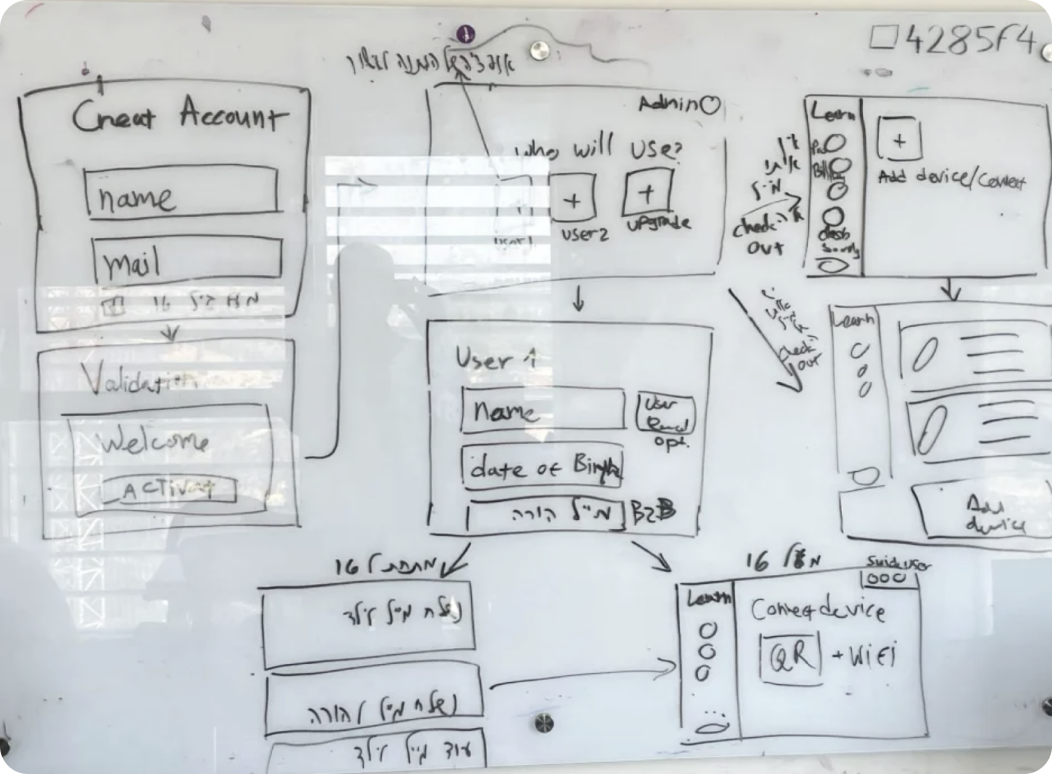
Initially, we dove deep into understanding the communication dynamics and needs of students, parents, and teachers. We explored motivations, tools, and interaction patterns for each persona, addressing existing pain points with tailored pedagogical and technological solutions. We also investigated current methods teachers use to assess reading progress and how American schools support struggling readers with extra lessons. Our insights, gathered through interviews with elementary school and district principals, played a crucial role in guiding the project's planning phase.
Initially, we dove deep into understanding the communication dynamics and needs of students, parents, and teachers. We explored motivations, tools, and interaction patterns for each persona, addressing existing pain points with tailored pedagogical and technological solutions. We also investigated current methods teachers use to assess reading progress and how American schools support struggling readers with extra lessons. Our insights, gathered through interviews with elementary school and district principals, played a crucial role in guiding the project's planning phase.
Initially, we dove deep into understanding the communication dynamics and needs of students, parents, and teachers. We explored motivations, tools, and interaction patterns for each persona, addressing existing pain points with tailored pedagogical and technological solutions. We also investigated current methods teachers use to assess reading progress and how American schools support struggling readers with extra lessons. Our insights, gathered through interviews with elementary school and district principals, played a crucial role in guiding the project's planning phase.
Initially, we dove deep into understanding the communication dynamics and needs of students, parents, and teachers. We explored motivations, tools, and interaction patterns for each persona, addressing existing pain points with tailored pedagogical and technological solutions. We also investigated current methods teachers use to assess reading progress and how American schools support struggling readers with extra lessons. Our insights, gathered through interviews with elementary school and district principals, played a crucial role in guiding the project's planning phase.
Initially, we dove deep into understanding the communication dynamics and needs of students, parents, and teachers. We explored motivations, tools, and interaction patterns for each persona, addressing existing pain points with tailored pedagogical and technological solutions. We also investigated current methods teachers use to assess reading progress and how American schools support struggling readers with extra lessons. Our insights, gathered through interviews with elementary school and district principals, played a crucial role in guiding the project's planning phase.
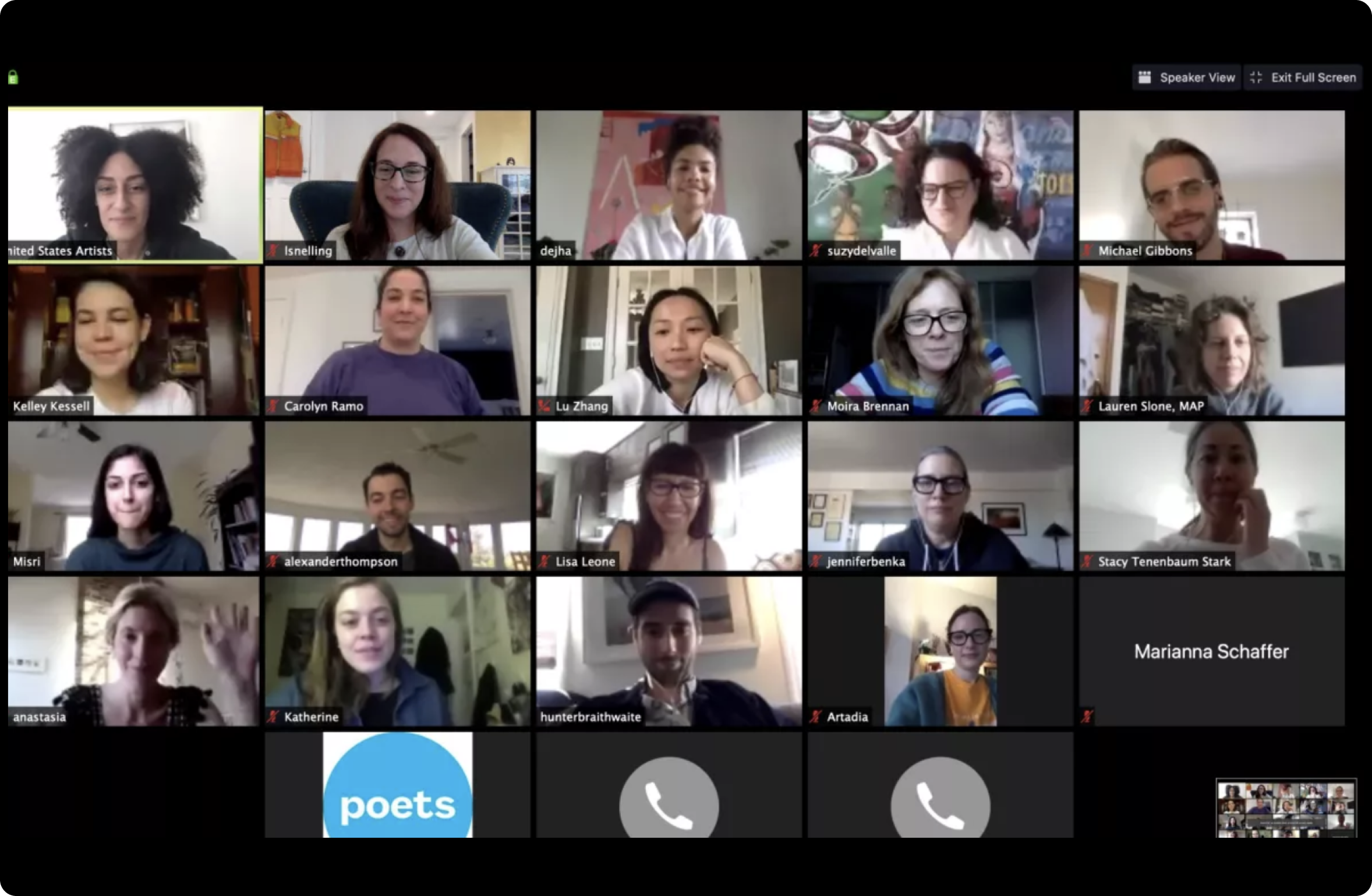
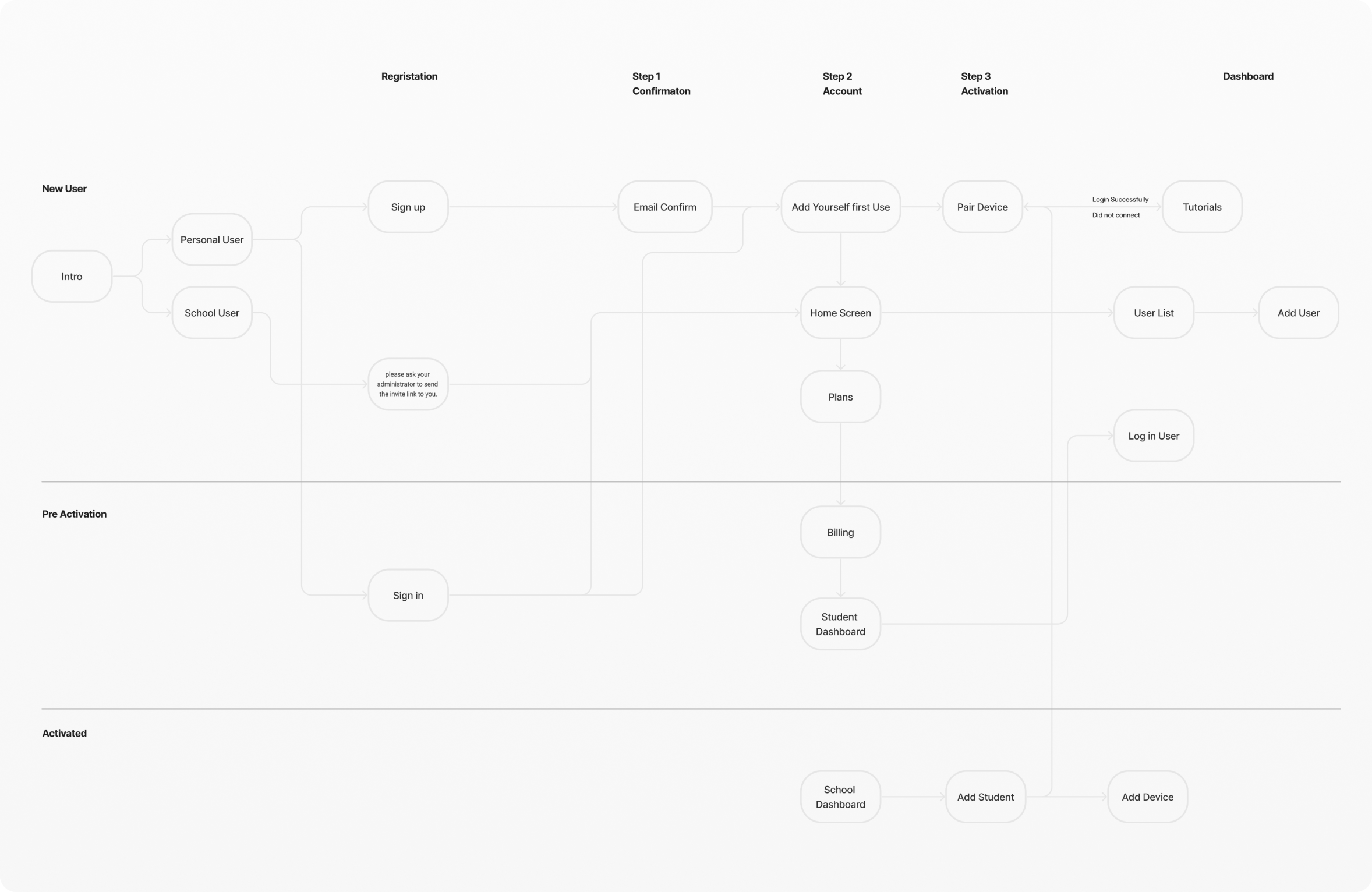
We aimed to create a seamless user journey from system implementation to student dashboards. The home page offers an overview and identifies struggling students. Dashboards track reading progress, and the users section manages students by groups. The programs section oversees device management, while a learning section provides device guidance. Our challenge was ensuring compatibility between the physical device and web platform in a multi-device environment, prompting a refined product strategy.
We aimed to create a seamless user journey from system implementation to student dashboards. The home page offers an overview and identifies struggling students. Dashboards track reading progress, and the users section manages students by groups. The programs section oversees device management, while a learning section provides device guidance. Our challenge was ensuring compatibility between the physical device and web platform in a multi-device environment, prompting a refined product strategy.
We aimed to create a seamless user journey from system implementation to student dashboards. The home page offers an overview and identifies struggling students. Dashboards track reading progress, and the users section manages students by groups. The programs section oversees device management, while a learning section provides device guidance. Our challenge was ensuring compatibility between the physical device and web platform in a multi-device environment, prompting a refined product strategy.
We aimed to create a seamless user journey from system implementation to student dashboards. The home page offers an overview and identifies struggling students. Dashboards track reading progress, and the users section manages students by groups. The programs section oversees device management, while a learning section provides device guidance. Our challenge was ensuring compatibility between the physical device and web platform in a multi-device environment, prompting a refined product strategy.
We aimed to create a seamless user journey from system implementation to student dashboards. The home page offers an overview and identifies struggling students. Dashboards track reading progress, and the users section manages students by groups. The programs section oversees device management, while a learning section provides device guidance. Our challenge was ensuring compatibility between the physical device and web platform in a multi-device environment, prompting a refined product strategy.
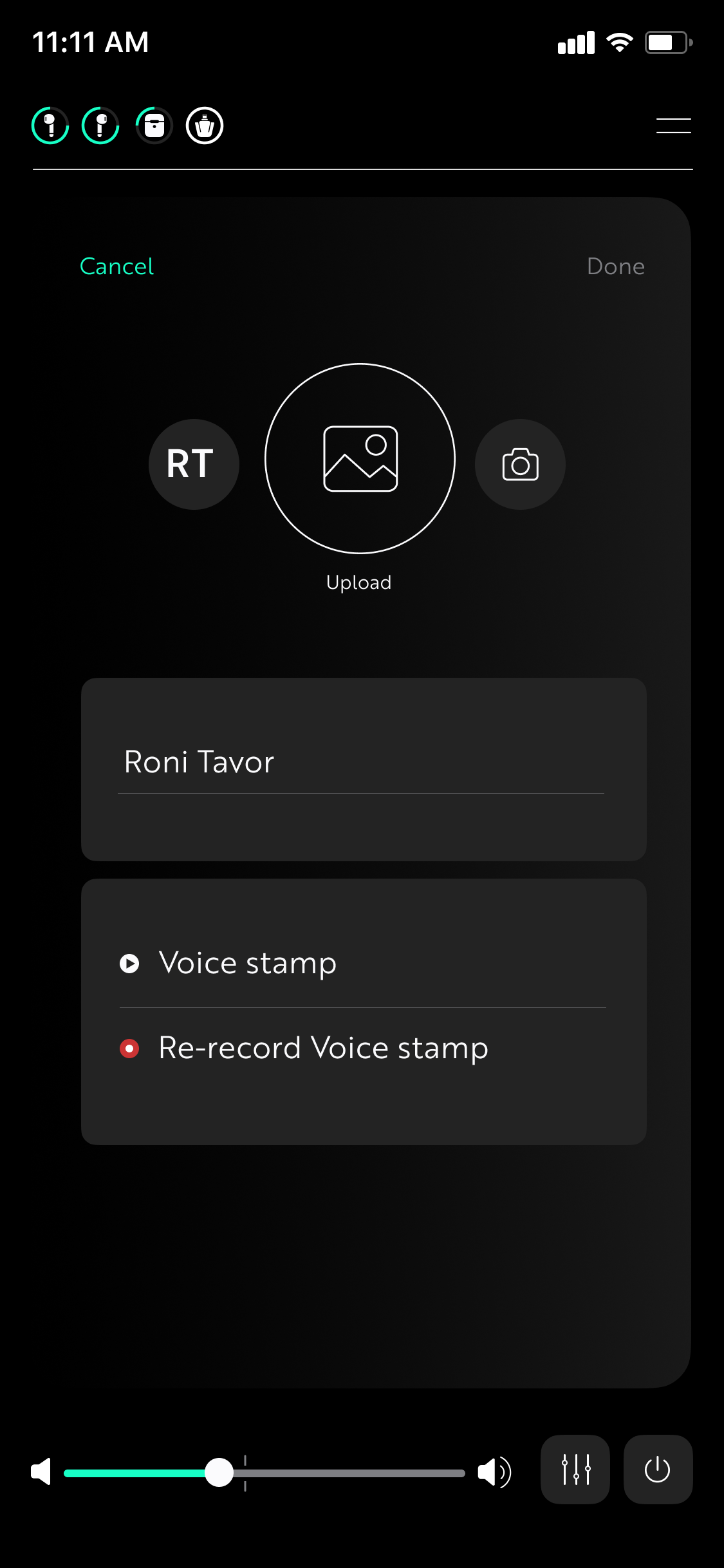


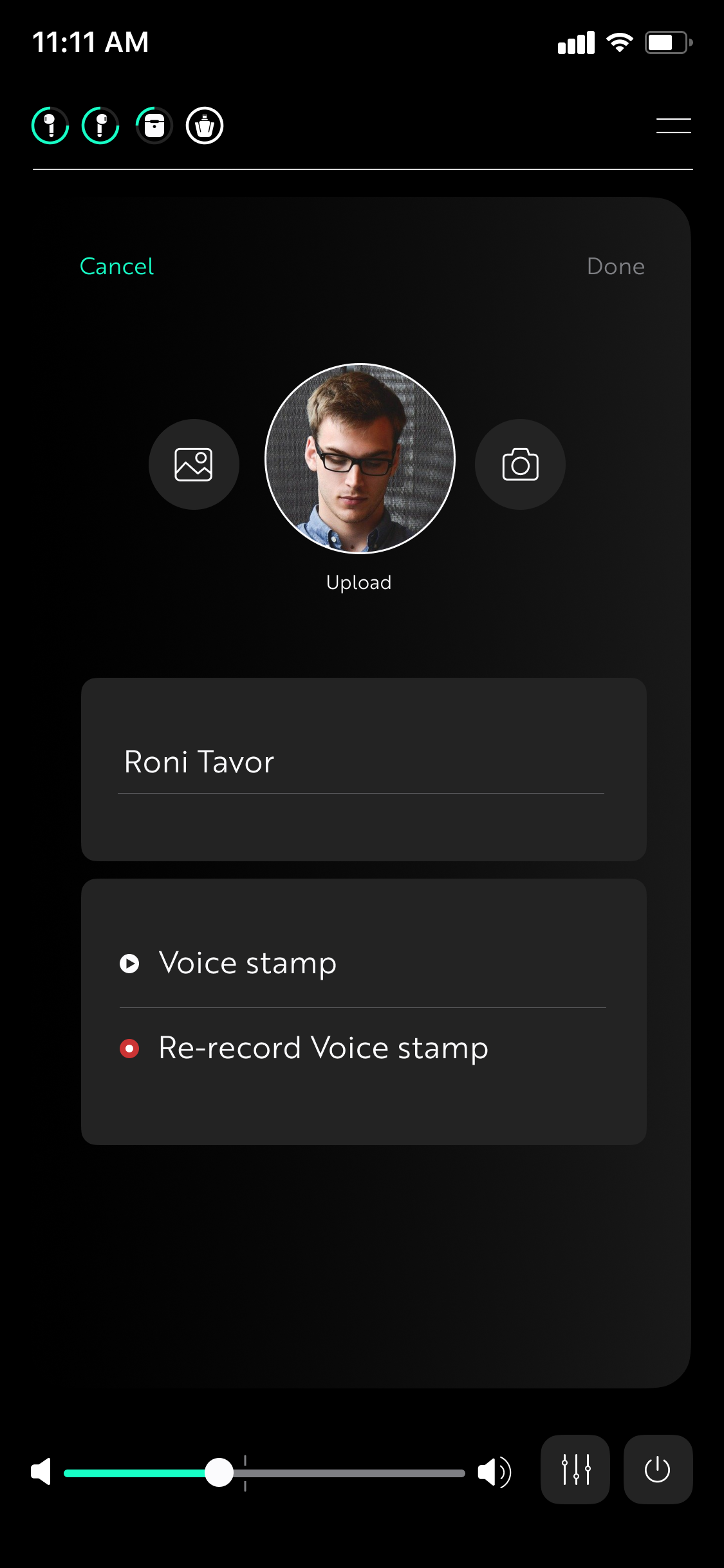
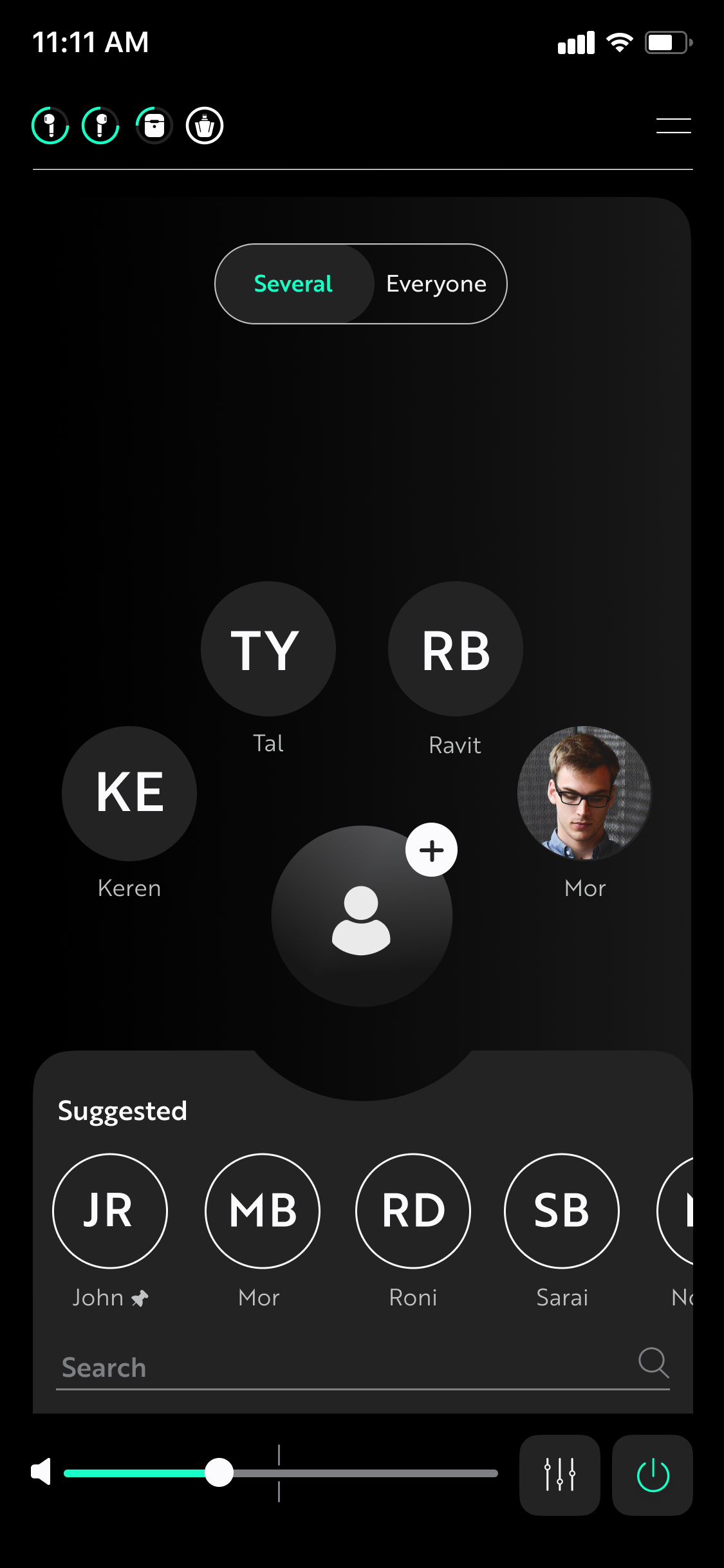
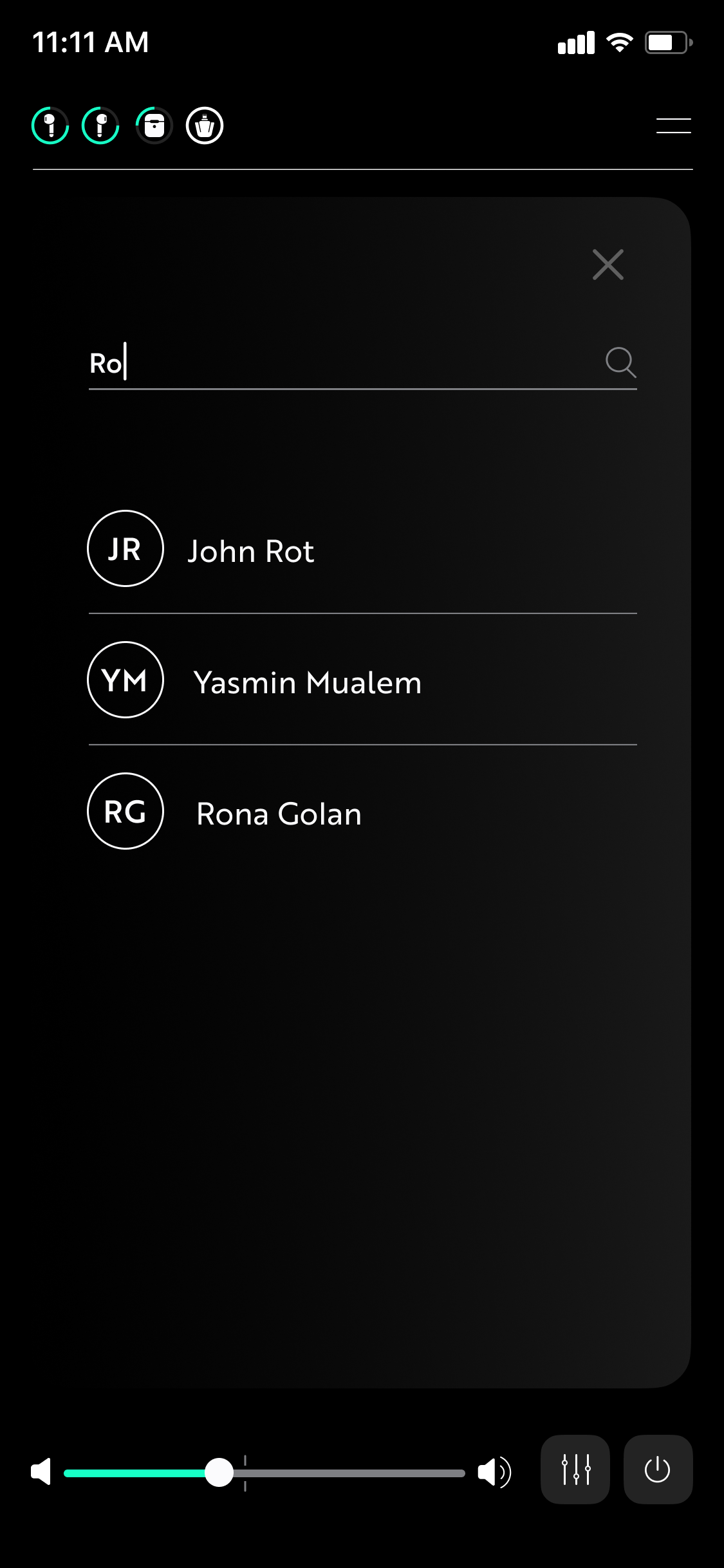
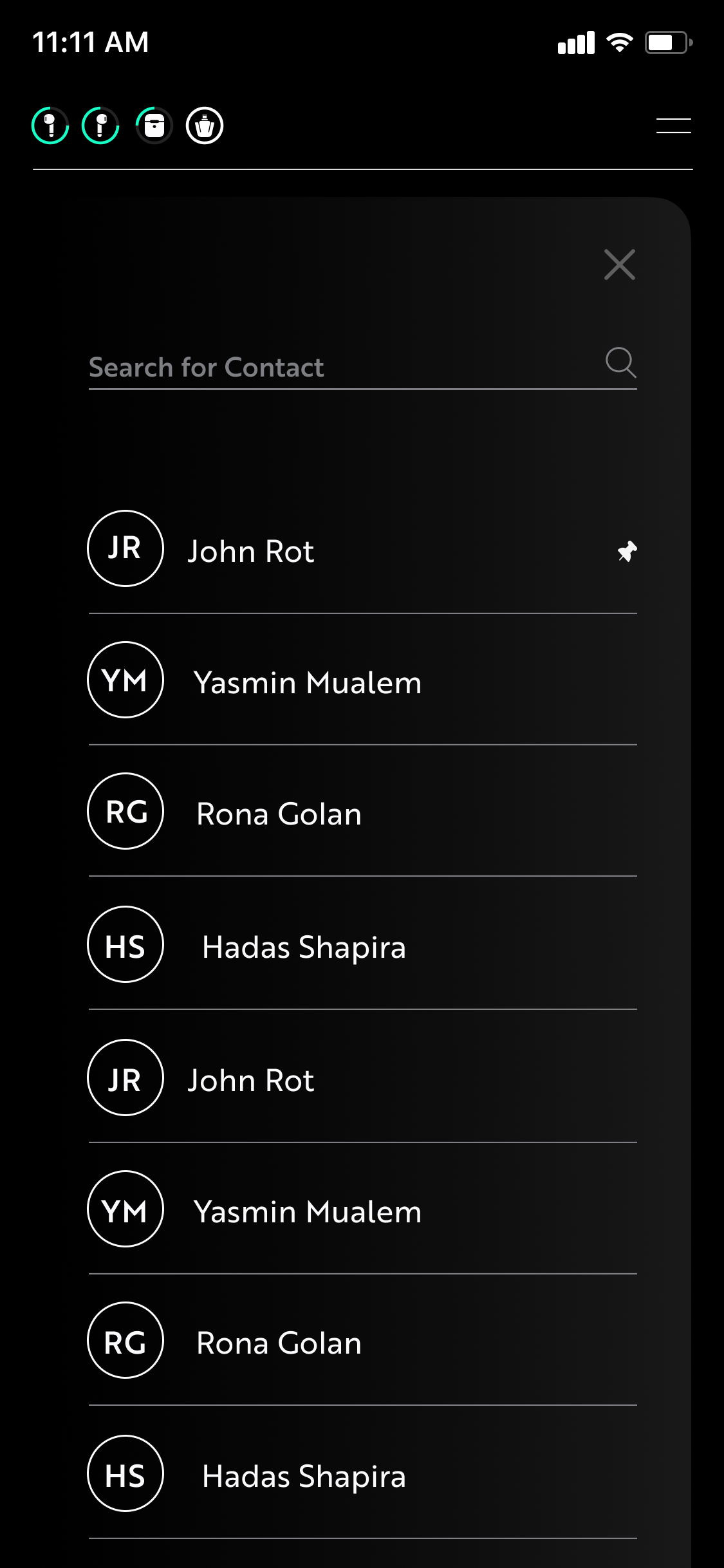
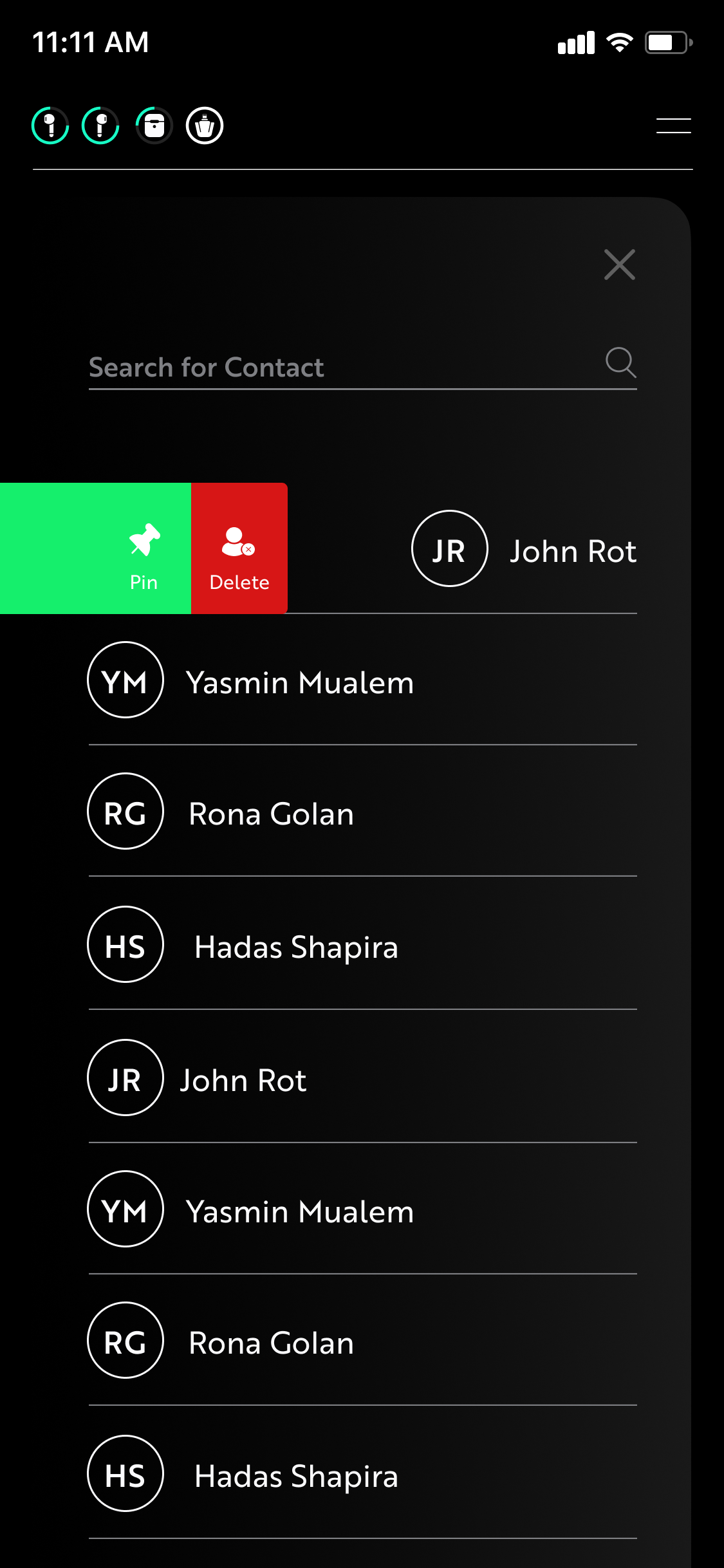


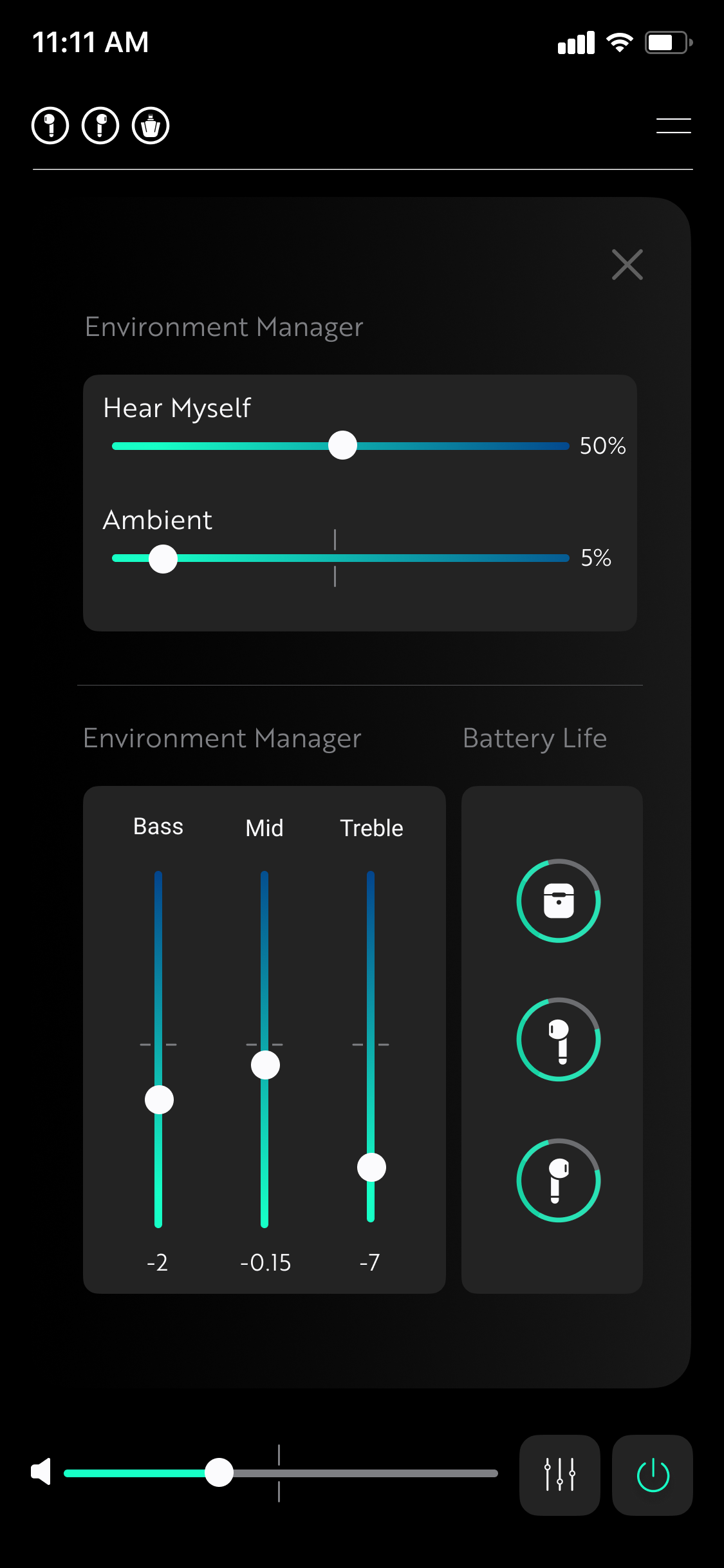
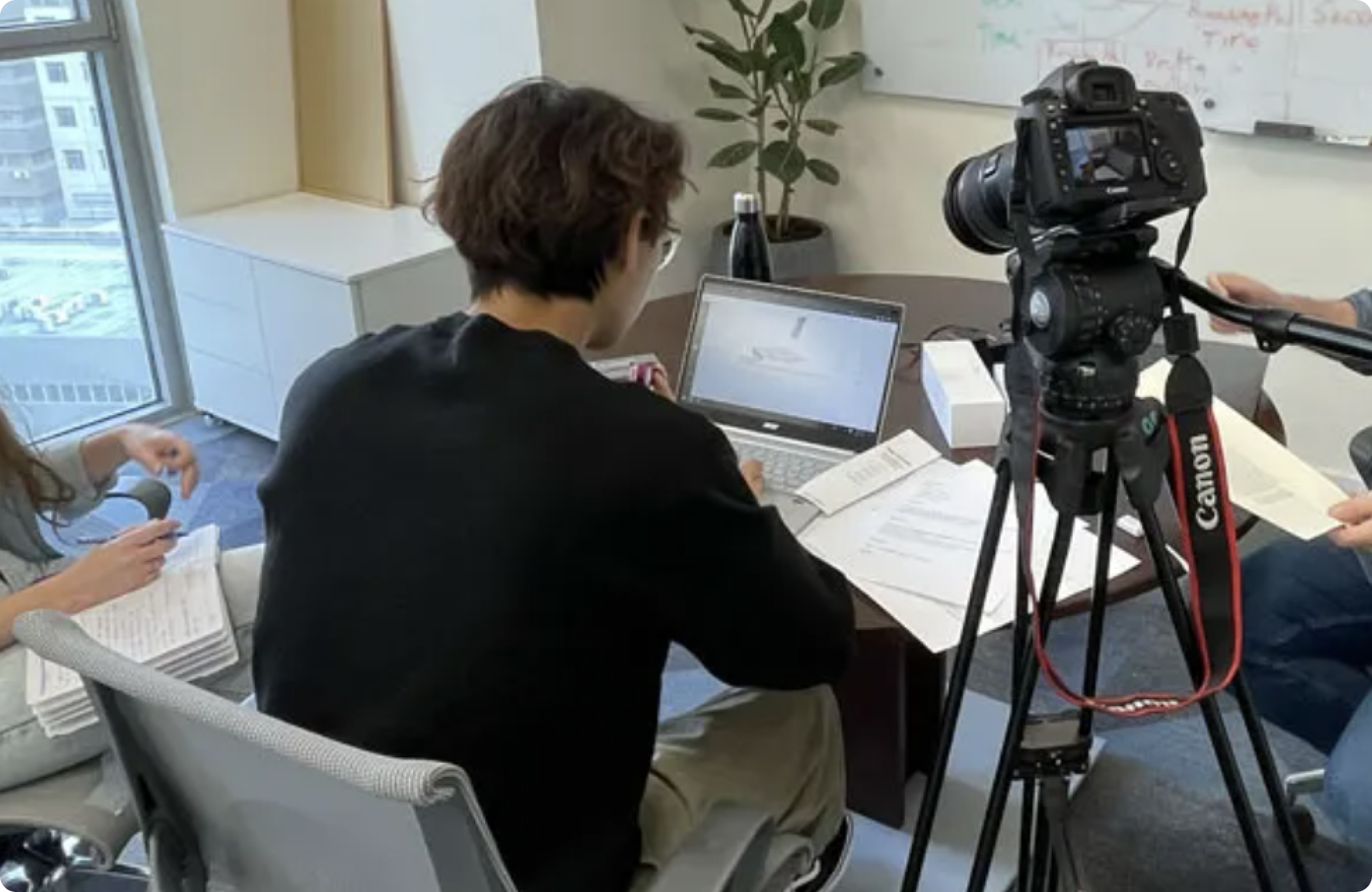
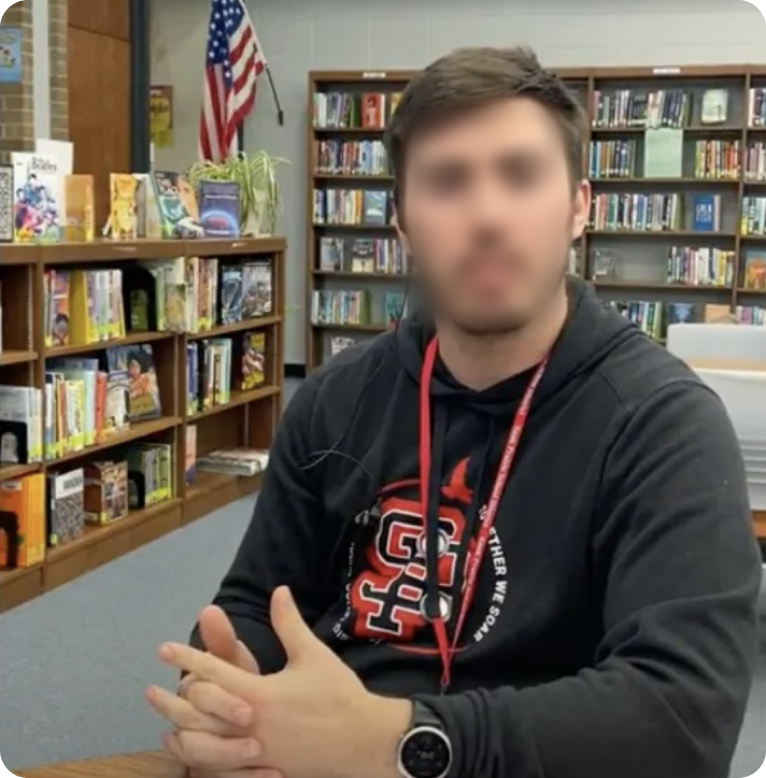
We used concept exploration—a semi-structured interview with a product prototype—to understand how users might use our product in their daily lives. This provided insights into user interactions and thinking. Then, we conducted usability testing for further feedback on our design. This iterative process allowed us to refine and enhance the user experience based on real-world usage scenarios.
We used concept exploration—a semi-structured interview with a product prototype—to understand how users might use our product in their daily lives. This provided insights into user interactions and thinking. Then, we conducted usability testing for further feedback on our design. This iterative process allowed us to refine and enhance the user experience based on real-world usage scenarios.
We used concept exploration—a semi-structured interview with a product prototype—to understand how users might use our product in their daily lives. This provided insights into user interactions and thinking. Then, we conducted usability testing for further feedback on our design. This iterative process allowed us to refine and enhance the user experience based on real-world usage scenarios.
We used concept exploration—a semi-structured interview with a product prototype—to understand how users might use our product in their daily lives. This provided insights into user interactions and thinking. Then, we conducted usability testing for further feedback on our design. This iterative process allowed us to refine and enhance the user experience based on real-world usage scenarios.
We used concept exploration—a semi-structured interview with a product prototype—to understand how users might use our product in their daily lives. This provided insights into user interactions and thinking. Then, we conducted usability testing for further feedback on our design. This iterative process allowed us to refine and enhance the user experience based on real-world usage scenarios.
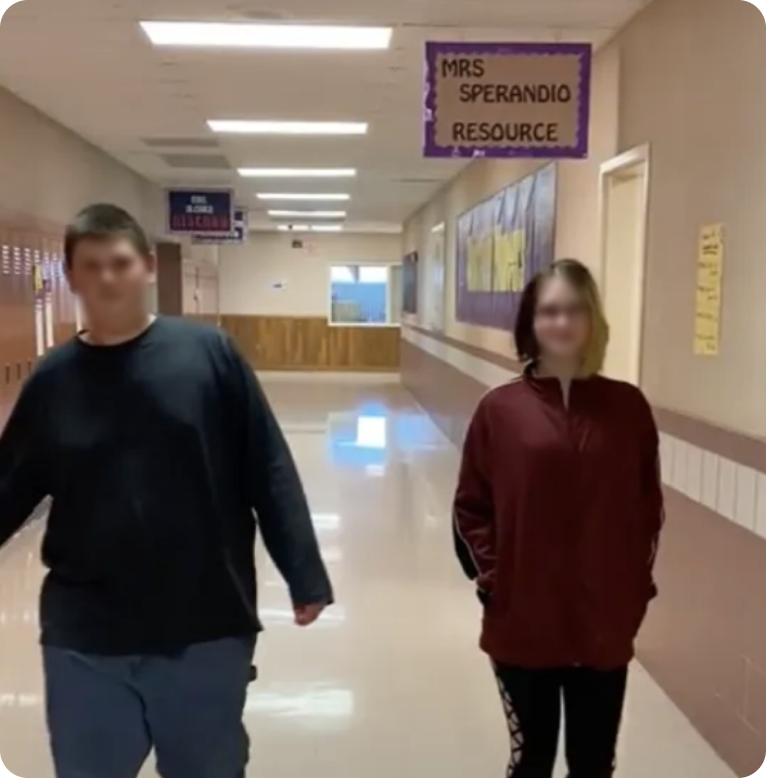
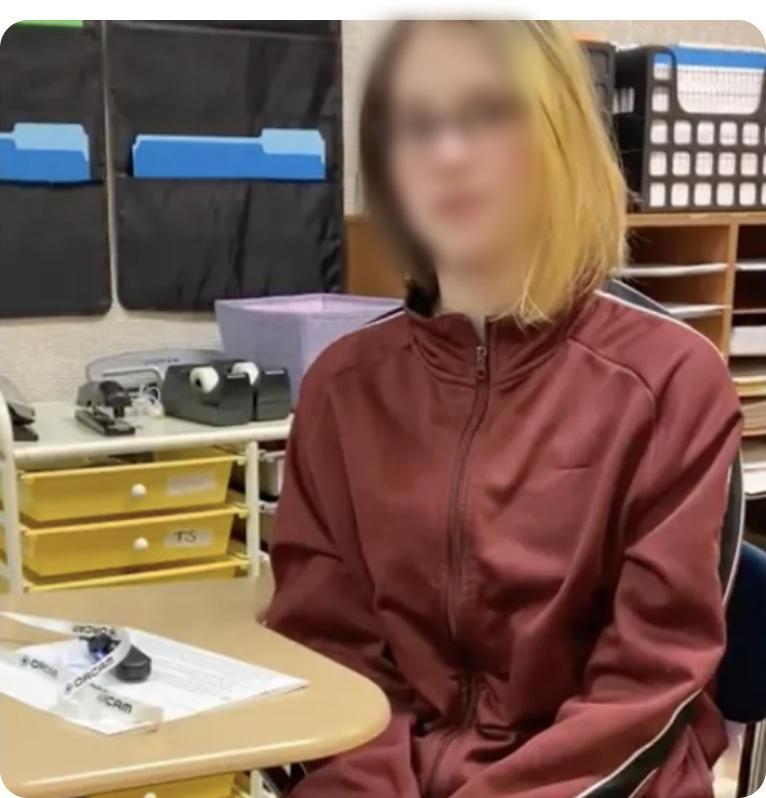
Identifying improvements, we analyzed components to find repetitive patterns. Key insights: Reading graphs weren't intuitive. We split them for clarity, avoiding extra charts. Teachers missed some issues. We reorganized the problem list and added a general tip. To sort students by specific problems, we added a "sort by" option on the users' page.
Identifying improvements, we analyzed components to find repetitive patterns. Key insights: Reading graphs weren't intuitive. We split them for clarity, avoiding extra charts. Teachers missed some issues. We reorganized the problem list and added a general tip. To sort students by specific problems, we added a "sort by" option on the users' page.
Identifying improvements, we analyzed components to find repetitive patterns. Key insights: Reading graphs weren't intuitive. We split them for clarity, avoiding extra charts. Teachers missed some issues. We reorganized the problem list and added a general tip. To sort students by specific problems, we added a "sort by" option on the users' page.
Identifying improvements, we analyzed components to find repetitive patterns. Key insights: Reading graphs weren't intuitive. We split them for clarity, avoiding extra charts. Teachers missed some issues. We reorganized the problem list and added a general tip. To sort students by specific problems, we added a "sort by" option on the users' page.
.png)
.svg)