.svg)

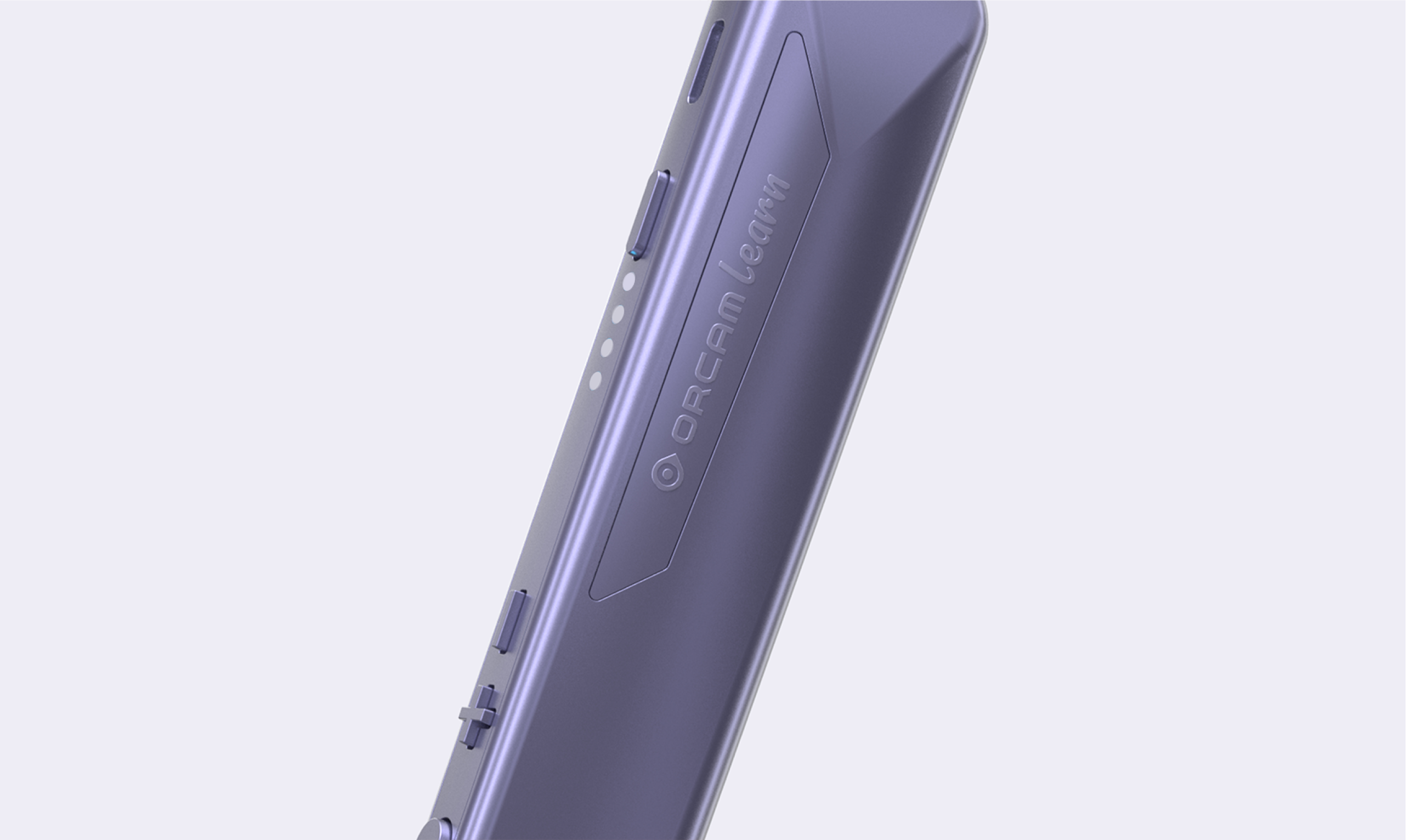
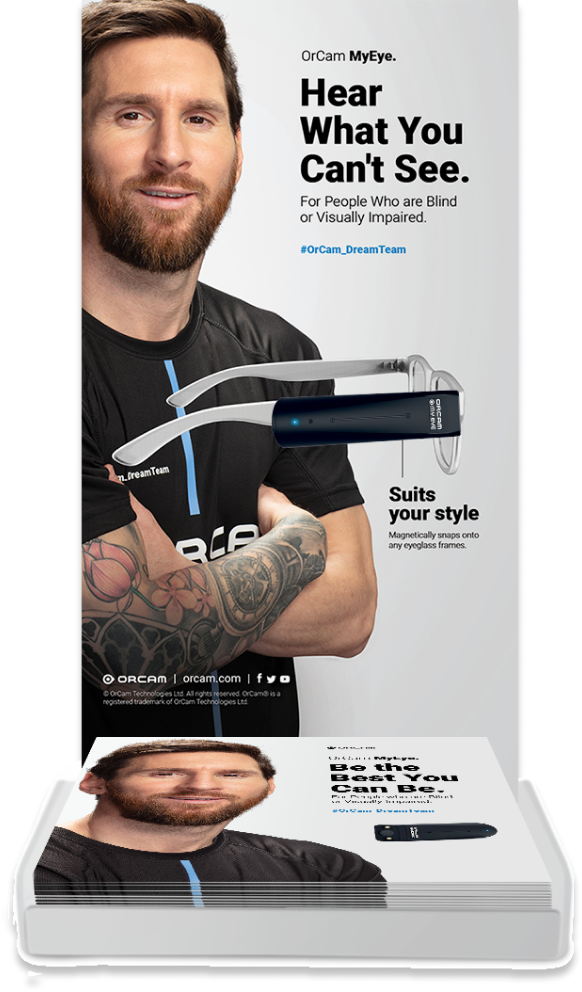
We embarked on a remarkable journey with our product, "Orcam Learn," recognizing its potential for students who need to improve their reading skills. However, market assimilation posed a problem. Through data, research, and user interviews, we realized that an outstanding product alone isn't enough. Without serving the circles around the child—parents and school teachers—we couldn't implement the product effectively. Recognizing the pivotal role of school teachers and parents, we understood the need for a holistic approach. This led us to develop the "Orcam Learn App," aiming to reflect children's reading performance to parents and foster collaboration. The app, forming part of a comprehensive solution, sets common goals, provides awards, and offers tips for parents, creating a unified experience for the child, parent, and teacher.






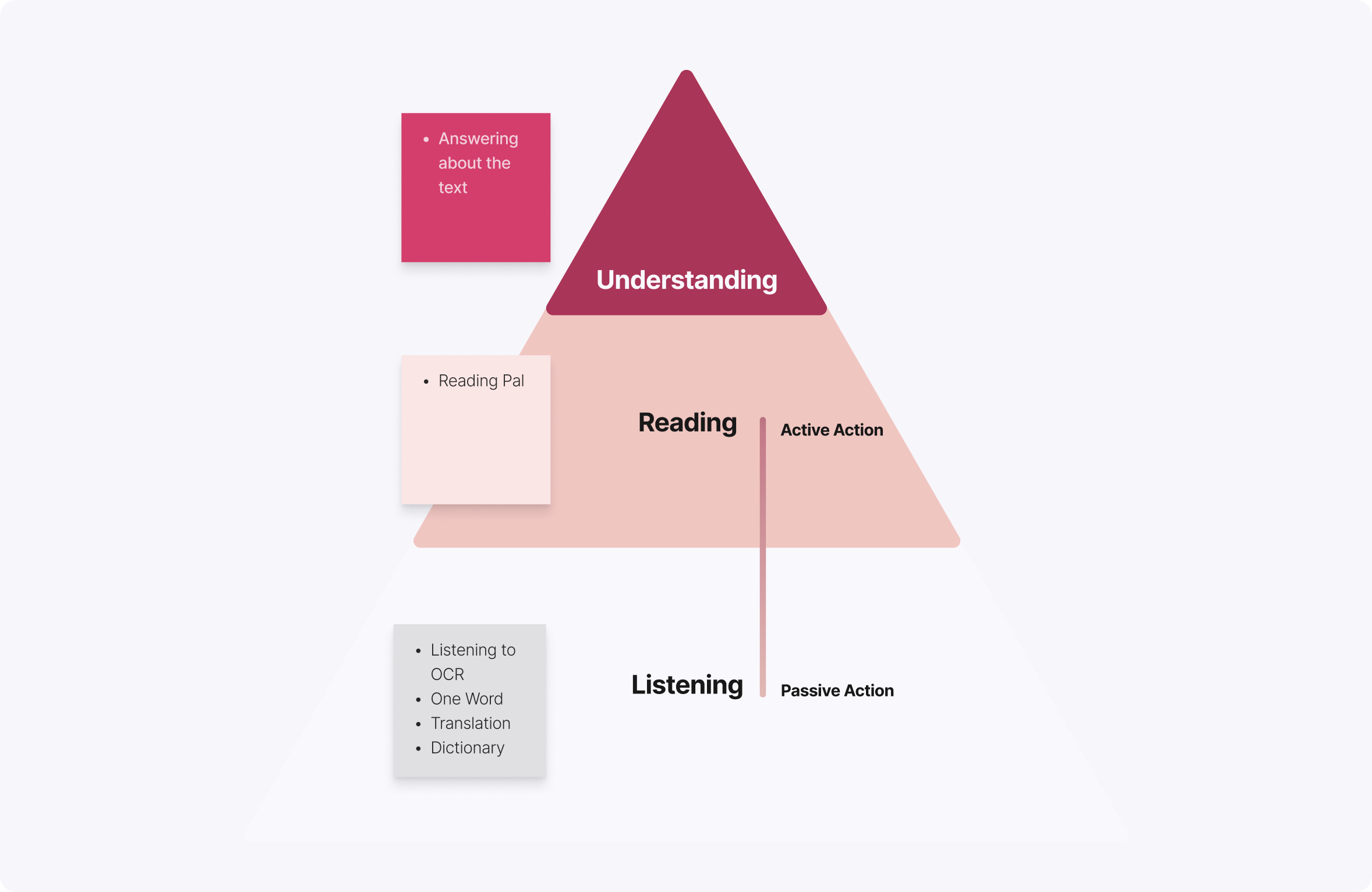
Our initial considerations included achieving full synchronization between parents and teachers, speaking a professional language in terms parents understand, and promoting active engagement. We mapped passive and active user activities, identifying three main learning levels: listening, reading, and understanding. This understanding serves as a link between passive education and active learning, forming the core of the application's shared language for students, parents, and teachers.
Our initial considerations included achieving full synchronization between parents and teachers, speaking a professional language in terms parents understand, and promoting active engagement. We mapped passive and active user activities, identifying three main learning levels: listening, reading, and understanding. This understanding serves as a link between passive education and active learning, forming the core of the application's shared language for students, parents, and teachers.
Our initial considerations included achieving full synchronization between parents and teachers, speaking a professional language in terms parents understand, and promoting active engagement. We mapped passive and active user activities, identifying three main learning levels: listening, reading, and understanding. This understanding serves as a link between passive education and active learning, forming the core of the application's shared language for students, parents, and teachers.
Our initial considerations included achieving full synchronization between parents and teachers, speaking a professional language in terms parents understand, and promoting active engagement. We mapped passive and active user activities, identifying three main learning levels: listening, reading, and understanding. This understanding serves as a link between passive education and active learning, forming the core of the application's shared language for students, parents, and teachers.
Our initial considerations included achieving full synchronization between parents and teachers, speaking a professional language in terms parents understand, and promoting active engagement. We mapped passive and active user activities, identifying three main learning levels: listening, reading, and understanding. This understanding serves as a link between passive education and active learning, forming the core of the application's shared language for students, parents, and teachers.

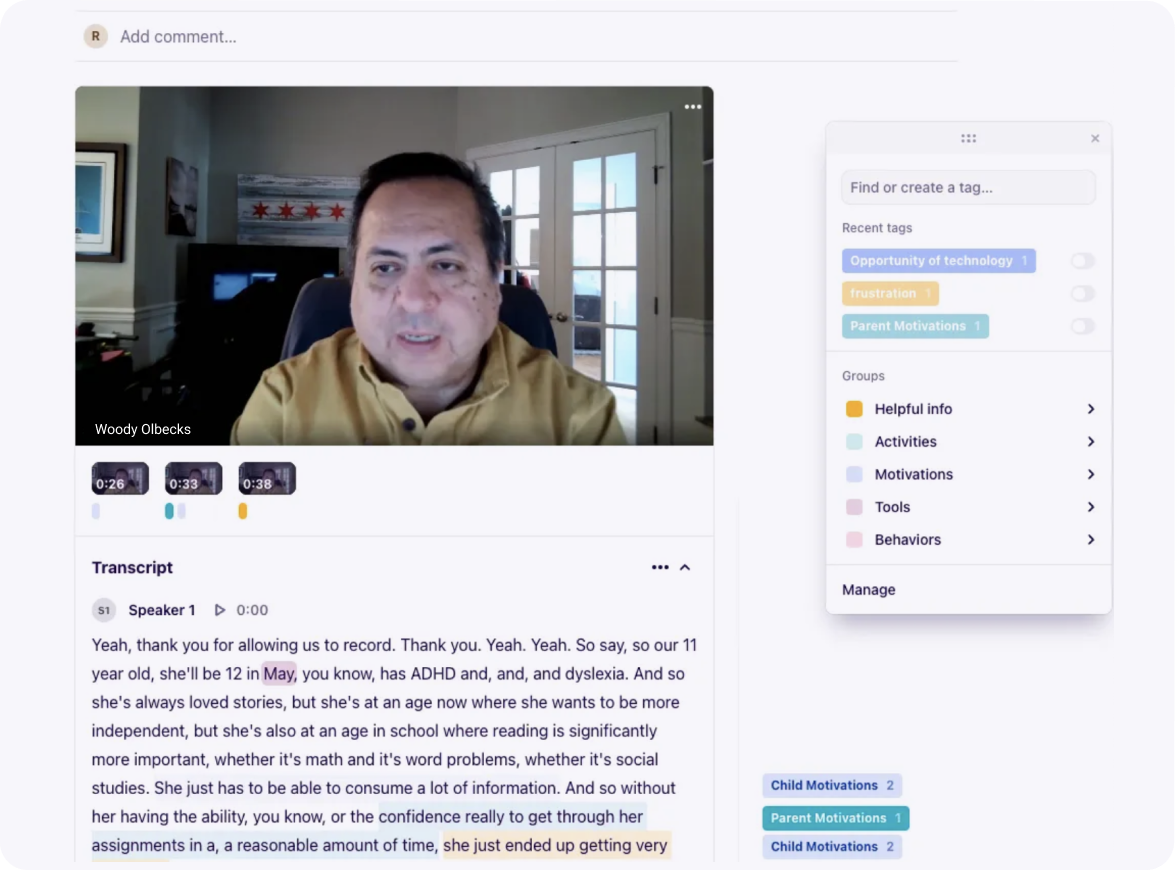
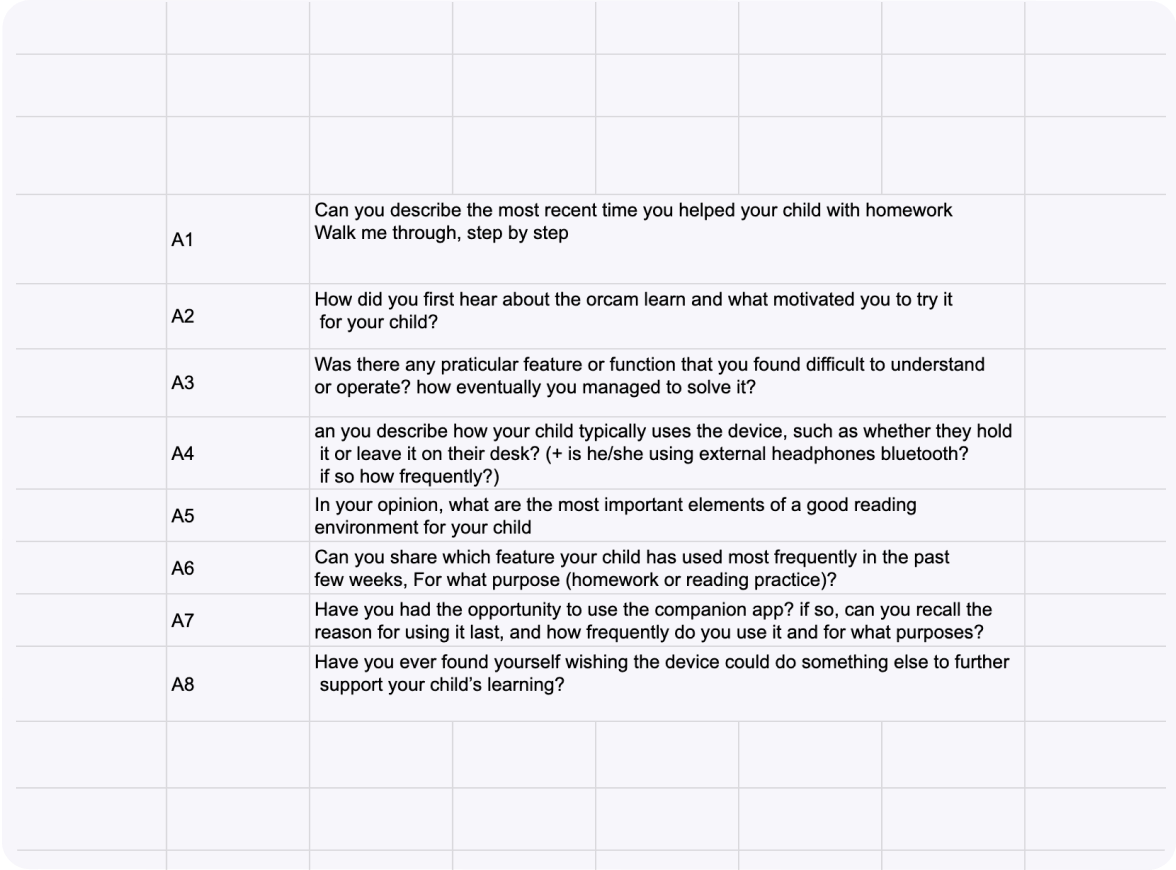




"After brainstorming, we delved into research, conducting in-depth interviews with parents of children with ADHD and dyslexia to understand both primary and secondary user needs. Teacher interviews provided insights into student perspectives and conditions. Three key conclusions emerged: Parents are unsure how to interpret metrics related to their child's reading difficulties. Parents appreciate knowing about improvements in their child's reading performance. Parents want to see progress relative to the child's previous activity. In summary, we recognized that parents struggle with complex analytics and decided to provide them with three specific goals for their child to enhance learning, making actions more accessible."
"After brainstorming, we delved into research, conducting in-depth interviews with parents of children with ADHD and dyslexia to understand both primary and secondary user needs. Teacher interviews provided insights into student perspectives and conditions. Three key conclusions emerged: Parents are unsure how to interpret metrics related to their child's reading difficulties. Parents appreciate knowing about improvements in their child's reading performance. Parents want to see progress relative to the child's previous activity. In summary, we recognized that parents struggle with complex analytics and decided to provide them with three specific goals for their child to enhance learning, making actions more accessible."
"After brainstorming, we delved into research, conducting in-depth interviews with parents of children with ADHD and dyslexia to understand both primary and secondary user needs. Teacher interviews provided insights into student perspectives and conditions. Three key conclusions emerged: Parents are unsure how to interpret metrics related to their child's reading difficulties. Parents appreciate knowing about improvements in their child's reading performance. Parents want to see progress relative to the child's previous activity. In summary, we recognized that parents struggle with complex analytics and decided to provide them with three specific goals for their child to enhance learning, making actions more accessible."
"After brainstorming, we delved into research, conducting in-depth interviews with parents of children with ADHD and dyslexia to understand both primary and secondary user needs. Teacher interviews provided insights into student perspectives and conditions. Three key conclusions emerged: Parents are unsure how to interpret metrics related to their child's reading difficulties. Parents appreciate knowing about improvements in their child's reading performance. Parents want to see progress relative to the child's previous activity. In summary, we recognized that parents struggle with complex analytics and decided to provide them with three specific goals for their child to enhance learning, making actions more accessible."
"After brainstorming, we delved into research, conducting in-depth interviews with parents of children with ADHD and dyslexia to understand both primary and secondary user needs. Teacher interviews provided insights into student perspectives and conditions. Three key conclusions emerged: Parents are unsure how to interpret metrics related to their child's reading difficulties. Parents appreciate knowing about improvements in their child's reading performance. Parents want to see progress relative to the child's previous activity. In summary, we recognized that parents struggle with complex analytics and decided to provide them with three specific goals for their child to enhance learning, making actions more accessible."
Analyzing student performance is vital for improvement, but data tailored for teachers can challenge parents. Our UX challenge was to simplify it. We revamped analytics, emphasizing three primary operations while de-prioritizing teacher-centric details. On the main screen, these actions are in a top hierarchy, replacing performance analytics with effort analytics. While detailed actions provide insights into a student's performance, our primary focus is on ensuring parents don't need to delve into them. The ultimate goal is to deliver the best value for parents' investment."
Analyzing student performance is vital for improvement, but data tailored for teachers can challenge parents. Our UX challenge was to simplify it. We revamped analytics, emphasizing three primary operations while de-prioritizing teacher-centric details. On the main screen, these actions are in a top hierarchy, replacing performance analytics with effort analytics. While detailed actions provide insights into a student's performance, our primary focus is on ensuring parents don't need to delve into them. The ultimate goal is to deliver the best value for parents' investment."
Analyzing student performance is vital for improvement, but data tailored for teachers can challenge parents. Our UX challenge was to simplify it. We revamped analytics, emphasizing three primary operations while de-prioritizing teacher-centric details. On the main screen, these actions are in a top hierarchy, replacing performance analytics with effort analytics. While detailed actions provide insights into a student's performance, our primary focus is on ensuring parents don't need to delve into them. The ultimate goal is to deliver the best value for parents' investment."
Analyzing student performance is vital for improvement, but data tailored for teachers can challenge parents. Our UX challenge was to simplify it. We revamped analytics, emphasizing three primary operations while de-prioritizing teacher-centric details. On the main screen, these actions are in a top hierarchy, replacing performance analytics with effort analytics. While detailed actions provide insights into a student's performance, our primary focus is on ensuring parents don't need to delve into them. The ultimate goal is to deliver the best value for parents' investment."
Analyzing student performance is vital for improvement, but data tailored for teachers can challenge parents. Our UX challenge was to simplify it. We revamped analytics, emphasizing three primary operations while de-prioritizing teacher-centric details. On the main screen, these actions are in a top hierarchy, replacing performance analytics with effort analytics. While detailed actions provide insights into a student's performance, our primary focus is on ensuring parents don't need to delve into them. The ultimate goal is to deliver the best value for parents' investment."
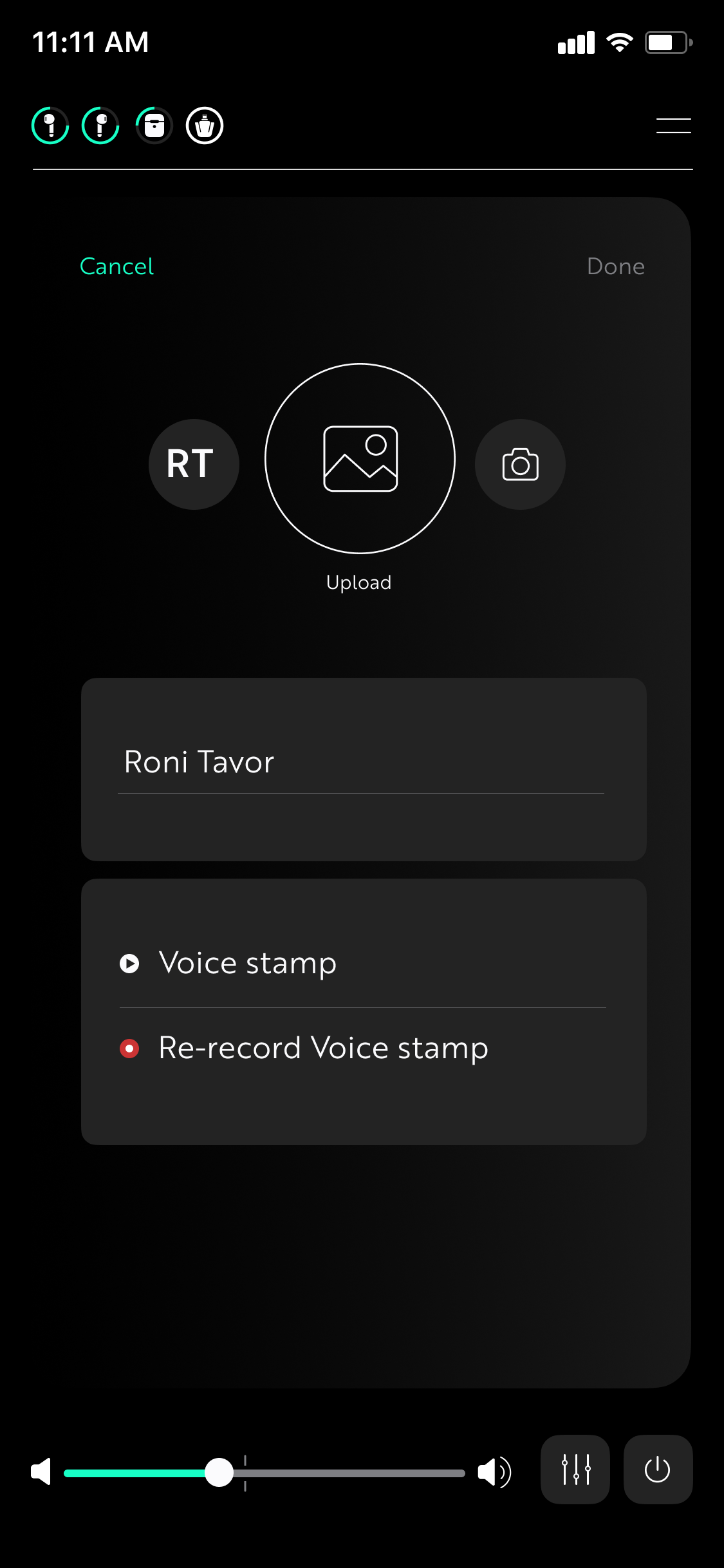


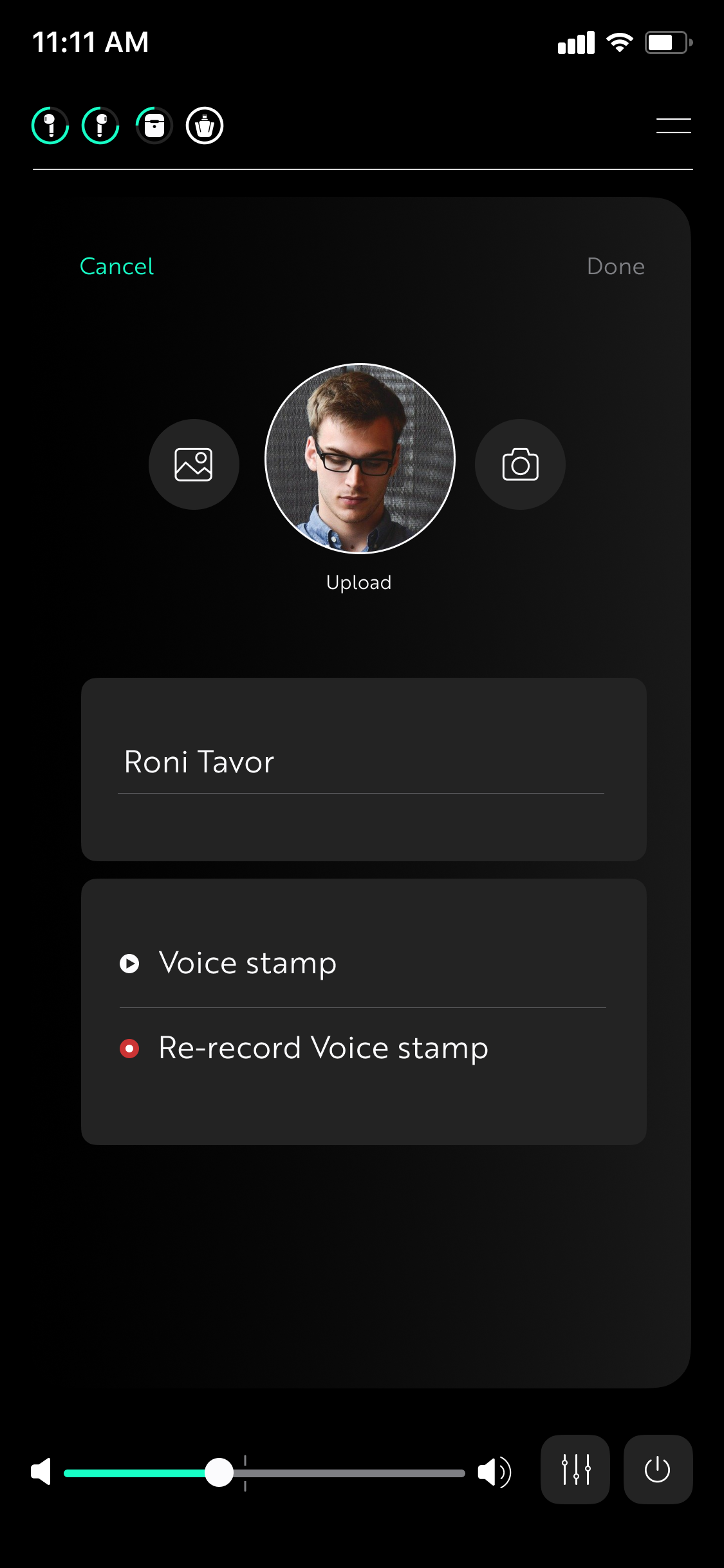
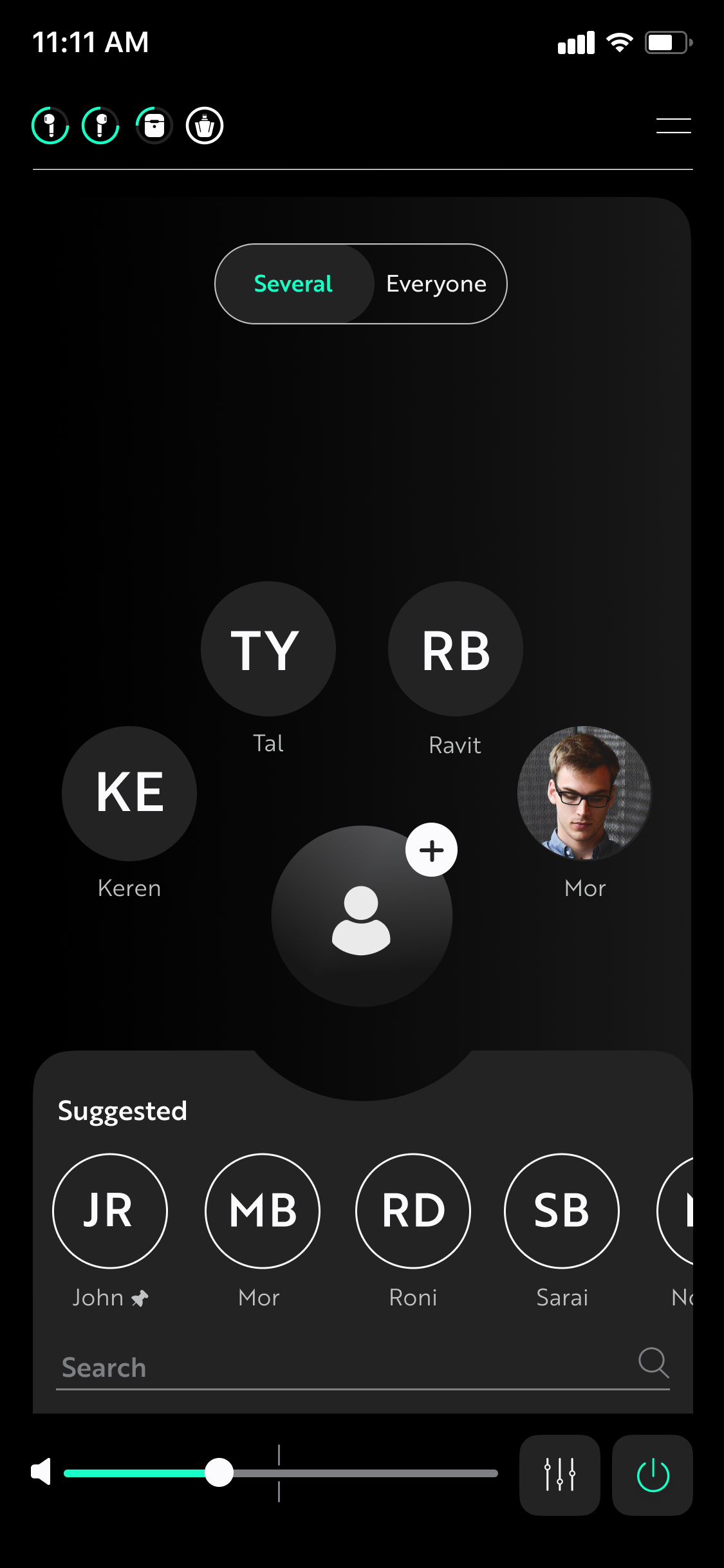
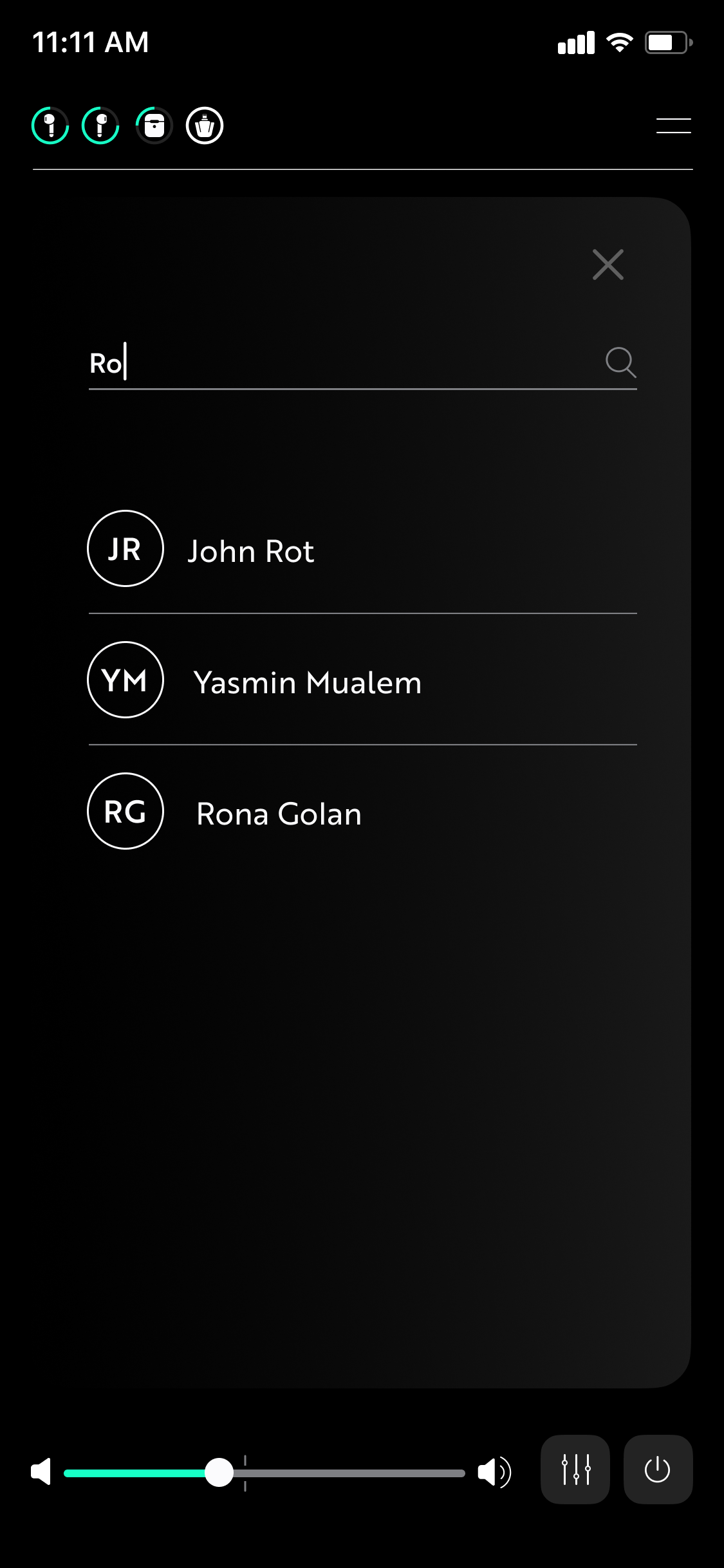
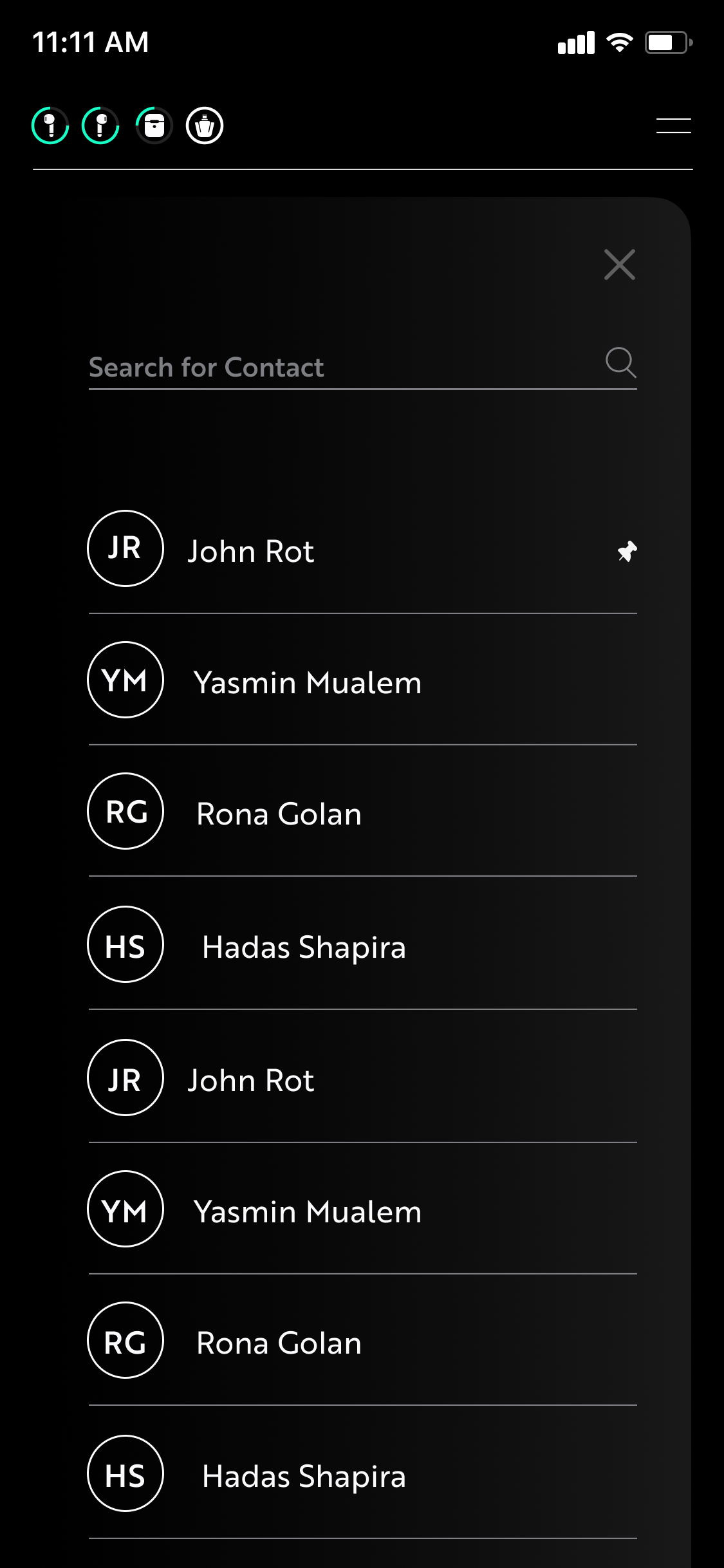
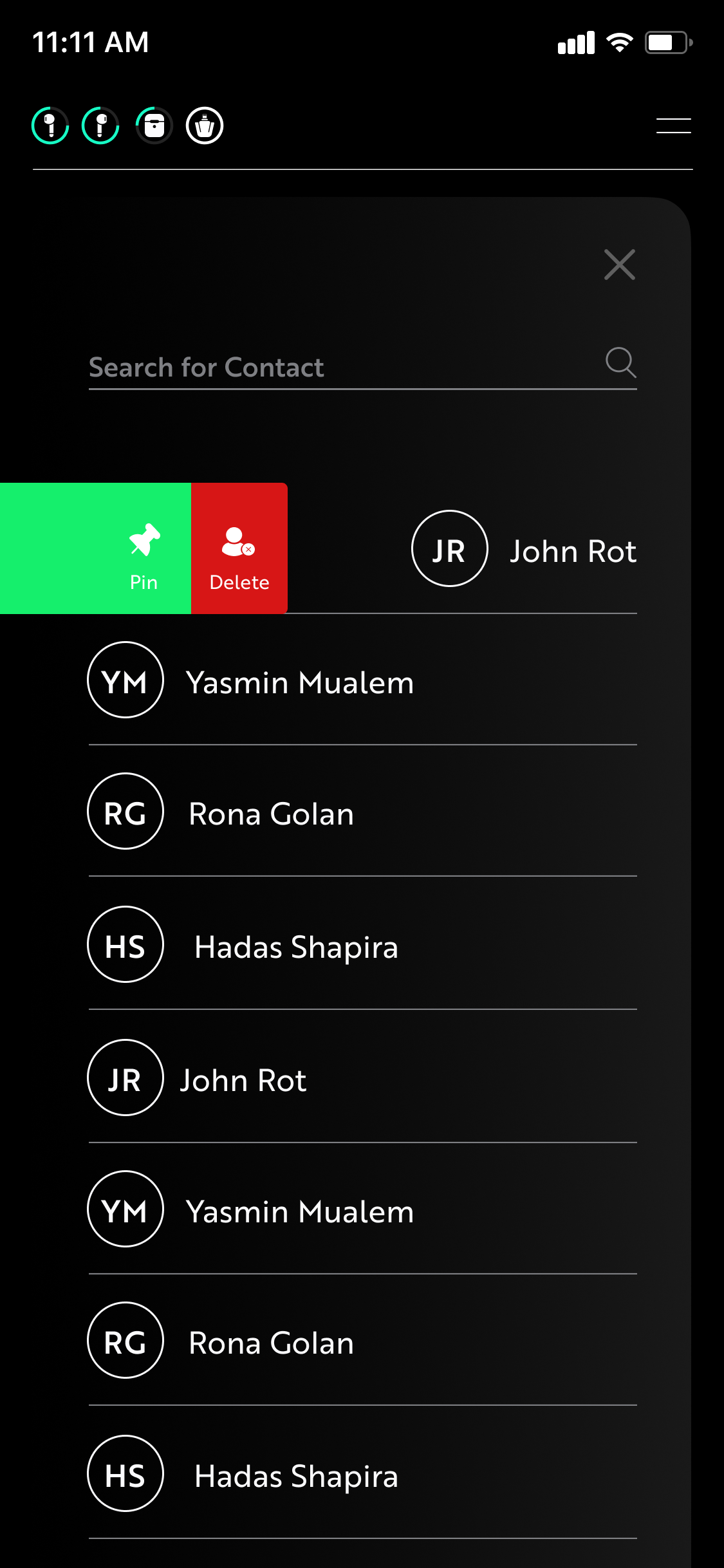


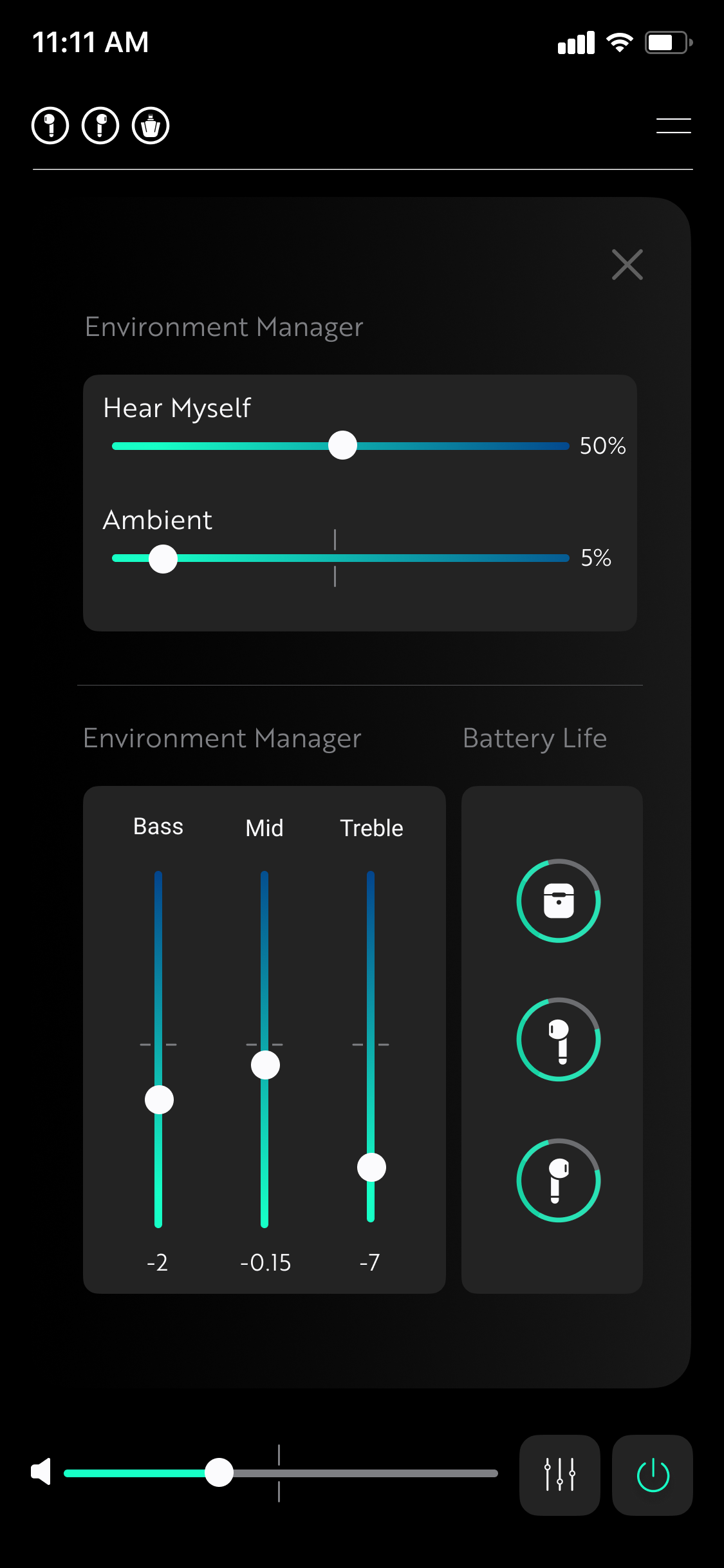
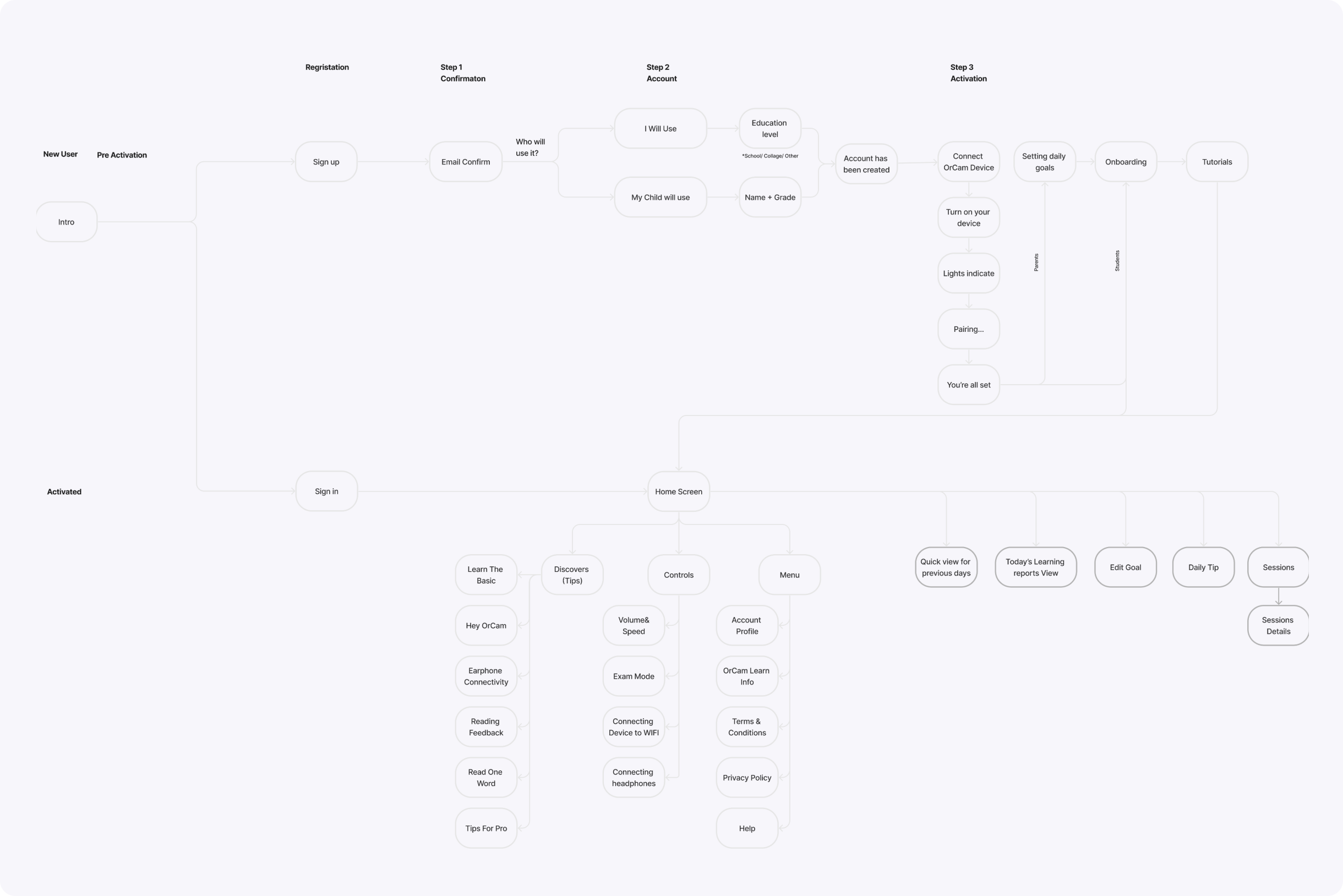
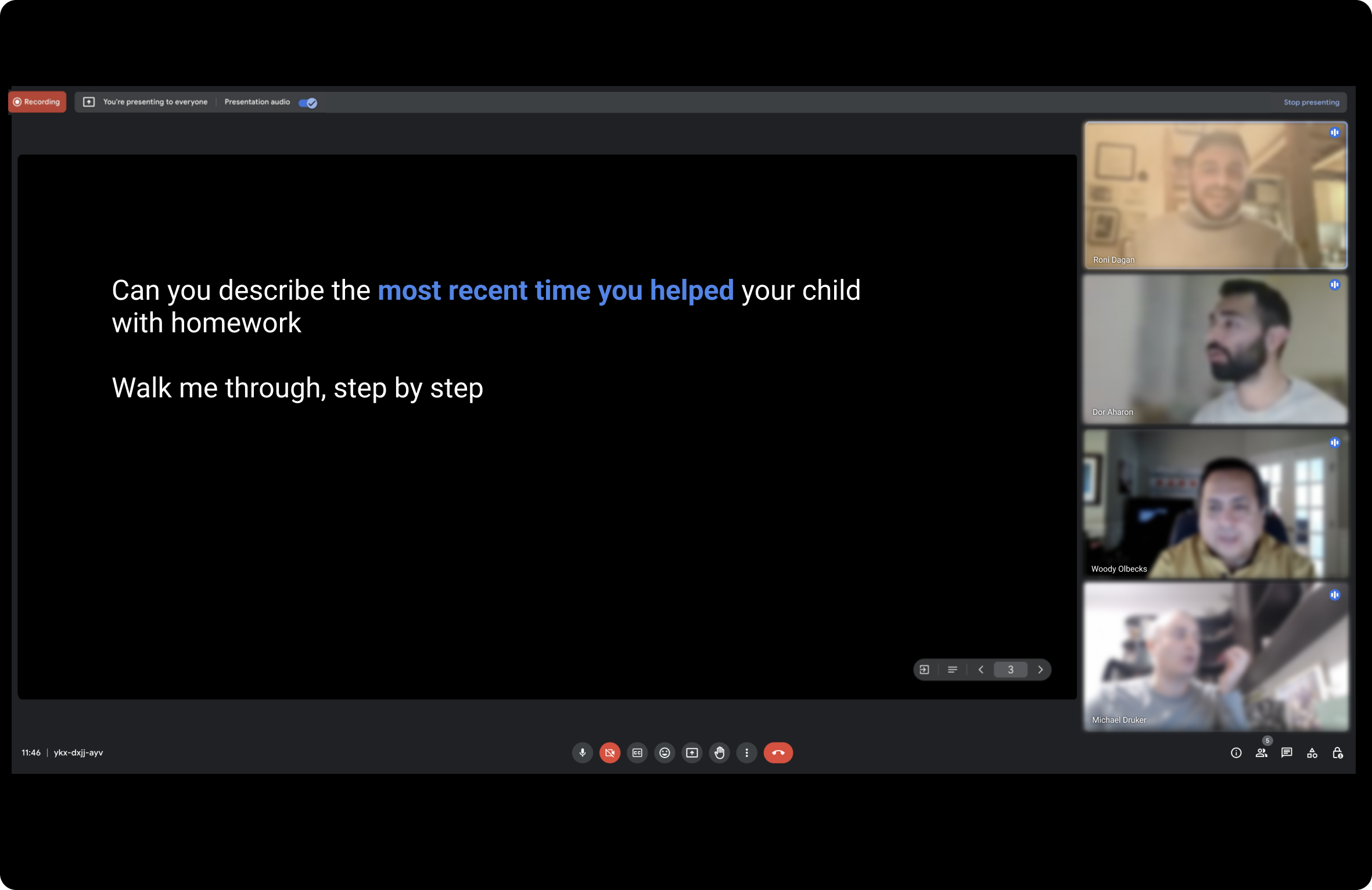
The usability testing encompassed a thorough examination of the onboarding process and an assessment of feature comprehension. While initially confident in the intuitiveness of the interface, we discovered a significant gap between our expectations and the actual outcome. Acknowledging the need for improvement, we returned to the Figma files, implemented necessary changes, and conducted another round of usability testing to refine the user experience.
The usability testing encompassed a thorough examination of the onboarding process and an assessment of feature comprehension. While initially confident in the intuitiveness of the interface, we discovered a significant gap between our expectations and the actual outcome. Acknowledging the need for improvement, we returned to the Figma files, implemented necessary changes, and conducted another round of usability testing to refine the user experience.
The usability testing encompassed a thorough examination of the onboarding process and an assessment of feature comprehension. While initially confident in the intuitiveness of the interface, we discovered a significant gap between our expectations and the actual outcome. Acknowledging the need for improvement, we returned to the Figma files, implemented necessary changes, and conducted another round of usability testing to refine the user experience.
The usability testing encompassed a thorough examination of the onboarding process and an assessment of feature comprehension. While initially confident in the intuitiveness of the interface, we discovered a significant gap between our expectations and the actual outcome. Acknowledging the need for improvement, we returned to the Figma files, implemented necessary changes, and conducted another round of usability testing to refine the user experience.
The usability testing encompassed a thorough examination of the onboarding process and an assessment of feature comprehension. While initially confident in the intuitiveness of the interface, we discovered a significant gap between our expectations and the actual outcome. Acknowledging the need for improvement, we returned to the Figma files, implemented necessary changes, and conducted another round of usability testing to refine the user experience.
.png)
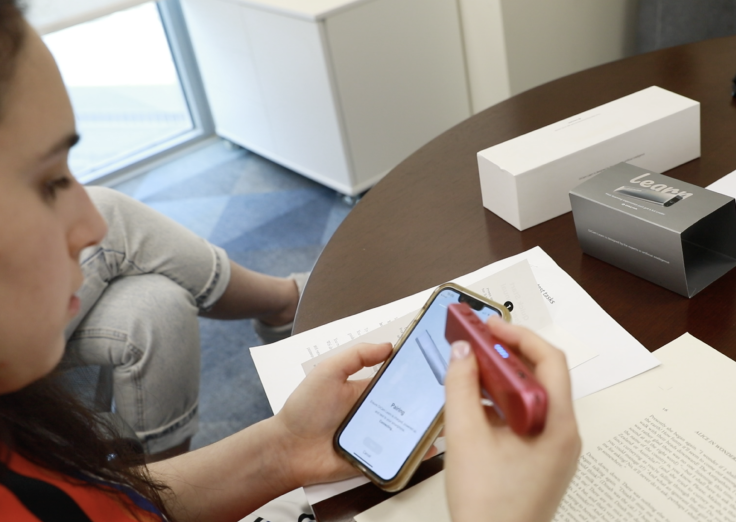

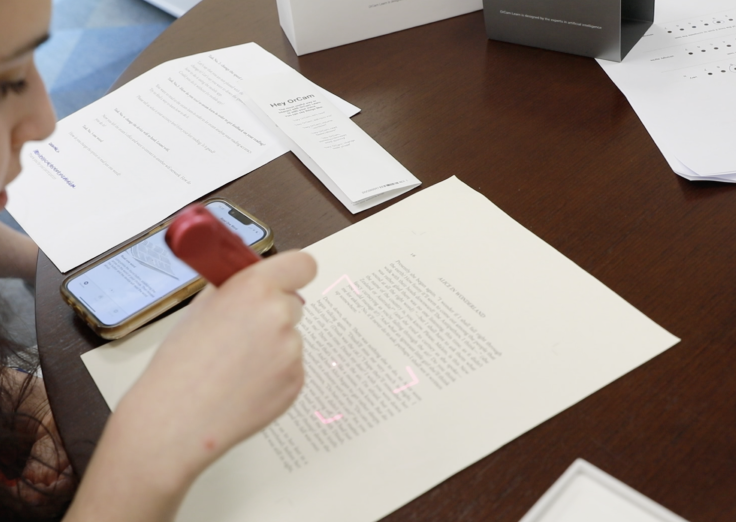
After identifying areas for improvement, we analyzed and coded components. Key insights: Parents avoid complex reading metrics. Parents appreciate learning about reading improvements. Parents want to help their child practice at home. Parents seek visibility into their child's progress."
After identifying areas for improvement, we analyzed and coded components. Key insights: Parents avoid complex reading metrics. Parents appreciate learning about reading improvements. Parents want to help their child practice at home. Parents seek visibility into their child's progress."
After identifying areas for improvement, we analyzed and coded components. Key insights: Parents avoid complex reading metrics. Parents appreciate learning about reading improvements. Parents want to help their child practice at home. Parents seek visibility into their child's progress."
After identifying areas for improvement, we analyzed and coded components. Key insights: Parents avoid complex reading metrics. Parents appreciate learning about reading improvements. Parents want to help their child practice at home. Parents seek visibility into their child's progress."
.png)
.svg)